Key Points
- Ombudsman Ruling: Brent Council has been ordered by the Local Government and Social Care Ombudsman (LGO) to apologise and pay £1,000 to a family after “wrongly removing” vital weekend care support from a severely autistic, non-verbal man.
- Social Worker Recommendation Ignored: A local social worker officially recommended increasing the care package for the disabled man (Mr Y) from 81 to 111 hours per week so his sibling (Mr X) could return to full-time work.
- Funding Panel Cuts Care: Instead of implementing the recommended increase, the council’s “18 Plus Panel” slashed the critical Sunday care hours without providing a decision letter or any written rationale to the family.
- Family Under Severe Strain: Sibling Mr X had to relocate back to the family home to provide full-time, round-the-clock care to prevent his brother from being institutionalised, causing what he described as a “huge strain” on the household.
- Failure to Rectify Errors: Despite an internal investigation in January 2025 upholding the family’s complaints, the council failed to implement the agreed-upon corrections, forcing the family to escalate the issue to the Ombudsman.
- Official Apology Issued: Brent Council has formally accepted the LGO’s final findings, issued an apology for its “shortcomings”, and pledged to review its administrative and assessment processes.
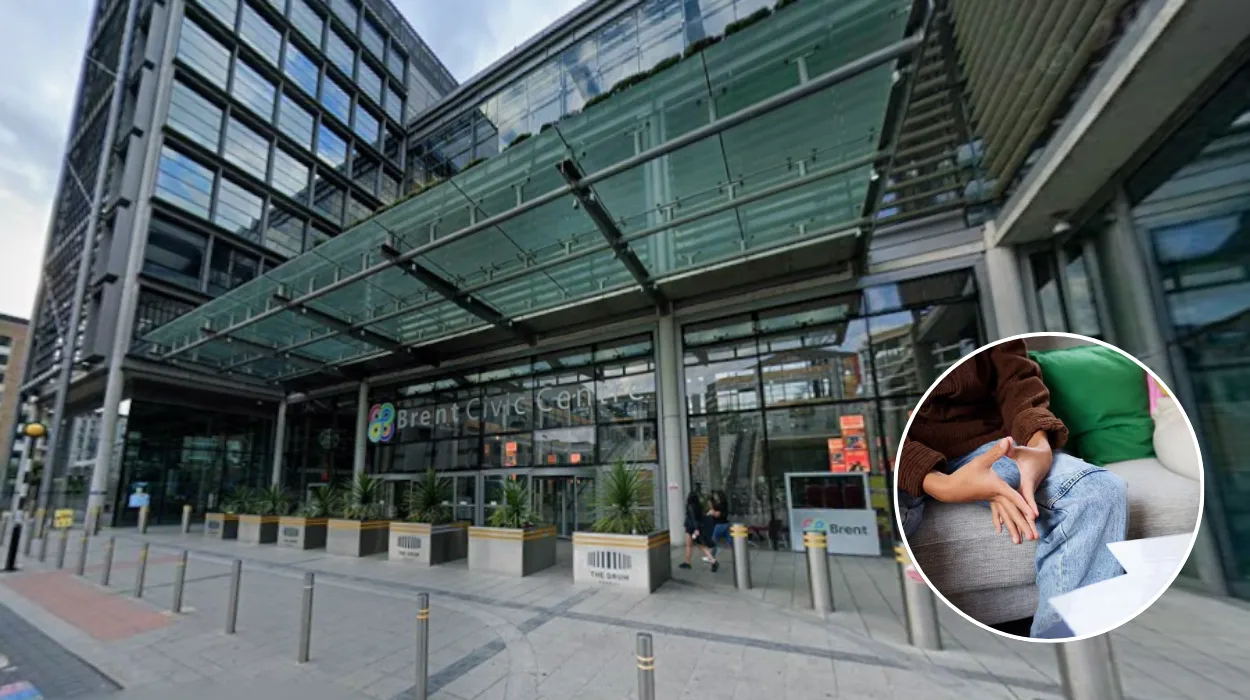
North London (The Londoner news) July 14, 2026 – A North London local authority has been ordered to pay financial compensation and issue a formal apology after its funding panel slashed the care hours of a severely disabled, non-verbal autistic man, directly overriding its own social worker’s recommendation to increase his support.
As reported by Grant Williams of My London, Brent Council was investigated by the Local Government and Social Care Ombudsman (LGO) after a local resident, referred to in official documents as Mr X, complained that the council “wrongly removed” critical weekend support from his brother, Mr Y, who has autism with motor and sensory difficulties. The sudden reduction in Sunday care forced Mr X to move back into the family home to take on full-time caregiving duties to prevent his brother from being permanently admitted to a residential care facility.
Following a detailed investigation, the LGO found Brent Council at fault for administrative delays, a lack of transparency, and a failure to implement the findings of its own internal complaints process. Consequently, the local authority has been instructed to pay Mr X £1,000 for the “avoidable distress” caused to the family and to immediately review the household’s social care requirements.
Why Did Brent Council Cut Care Hours Against Professional Advice?
The dispute began when the care package for Mr Y, who is supported by a jointly funded health and social care package via the Children’s Services Disability Team, came up for review. According to the facts compiled by Grant Williams of My London, Mr Y’s existing package consisted of 81 hours of community-based care per week, which included three nights of support as well as dedicated care on Sundays.
In May 2024, Mr Y’s care package was formally reviewed after Mr X explained to the assigned social worker that he needed to return to full-time employment. Because of this change in circumstances, the family requested an increase in Mr Y’s allocated support hours. During this initial review, Brent Council officials indicated they were exploring placement options at a local day centre for Mr Y. However, the centre subsequently confirmed that it lacked the specialized facilities and staff required to safely meet his complex physical and sensory needs.
In early July 2024, the social worker visited the family home for a follow-up assessment. Recognizing the intense pressures on the household, the social worker formally backed the family’s request, recommending that Mr Y’s support package be increased to 111 hours per week to safely cover the periods when Mr X would be at work.
However, later that month, the council’s internal funding body, the “18 Plus Panel”, reviewed the case. Instead of authorizing the 111-hour package recommended by the frontline professional, the panel decided to cut the family’s existing Sunday support. The Sunday allocation of 10 hours of one-to-one care and three hours of two-to-one care was reduced, alongside a broader cut to their weekly two-to-one support hours.
How Did the Care Cuts Impact the Family’s Wellbeing?
The reduction in care had an immediate, severe impact on the household’s daily lives. Because Mr Y is non-verbal and has complex motor and sensory difficulties, he can present a danger to himself and those around him if not monitored by trained professionals. Mr X explained to the Ombudsman that it was entirely unsafe for other vulnerable members of the family to provide this level of physical care.
As reported by Grant Williams of My London, Mr X detailed the “huge strain” and “significant strain” the situation had placed on him and his family. Having had to put his own career and independent life on hold to move back into the family home, Mr X found himself acting as the primary, full-time caregiver to fill the gaps left by the local authority’s sudden cuts. The family stated that without Mr X taking on this round-the-clock responsibility, Mr Y would have faced a high risk of being placed into an institutional care home, away from his family network.
Compounding the family’s distress was the complete lack of communication from local authorities. Mr X reported that the cuts to the Sunday care hours were “just sprung on him” without any prior warning or discussion. Furthermore, the council failed to issue an official decision letter, leaving the family entirely in the dark regarding why the 18 Plus Panel had actively rejected the social worker’s expert advice.
Explore more North London News:
Muswell Hill Baptist Church Leader John Grant Convicted: London 2026
Retro SoCal Diner Johnny Boy’s Opens in Stoke Newington 2026
What Did the Local Government and Social Care Ombudsman Find?
Frustrated by the lack of transparency, Mr X submitted a formal complaint to Brent Council. Under the statutory complaints procedure, a stage two independent investigation report was completed in January 2025. According to the LGO report, this internal investigation upheld “most of his complaints” and put forward a series of clear recommendations to resolve the dispute.
Brent Council formally accepted the recommendations of the January 2025 review. These conditions mandated that the council must, as a matter of urgency, conduct a comprehensive risk assessment and thoroughly overhaul Mr Y’s support plan. The council was explicitly told to place a strong emphasis on Positive Behaviour Support, complete detailed risk assessments, and identify any specialized training needs for the support staff.
However, by August 2025, Brent Council had still not implemented the agreed-upon actions. This prompted Mr X to escalate his complaint to the Local Government and Social Care Ombudsman. In addition to demanding that the council honor its previous agreements, Mr X sought financial reimbursement for the loss of the 10 hours of Sunday support since July 2024, calculated at a standard rate of £20 per hour, arguing that the care had been “removed without proper consideration or rationale”.
The LGO’s subsequent investigation revealed further administrative shortcomings. Although a newly revised care plan was scheduled to begin in mid-March 2026, Mr X informed the Ombudsman that the council had still failed to actually increase the overall care hours. Instead, the council had simply rearranged the pre-existing allocation of hours while simultaneously reducing the level of one-to-one support during those times—amounting to a cosmetic reallocation of resources rather than the substantive increase recommended by the social worker. The council promised to conduct a subsequent review in mid-May 2026, but Mr X confirmed to the Ombudsman that this deadline also passed without action.
Evaluating these failures, the Local Government and Social Care Ombudsman stated:
“The failure to provide a decision letter, after the 18 Plus Panel meeting of July 2024, has meant that Mr X cannot understand the rationale for the reduction in the 2:1 Sunday support, particularly when the social worker was recommending an increase in hours. Since making his complaint, Mr X remains none the wiser about the rationale for the 18 Plus Panel’s decision of July 2024.
“I find the delay in reviewing the case and having an interim plan amounts to fault and this has compounded the faults identified in the earlier statutory investigation. This additional fault would also have compounded the injustice to Mr Y, Mr X and his family and has required Mr X to complain to the Ombudsman to ensure the council carried out the action it had agreed to.”
How Has Brent Council Responded to the Ombudsman’s Decision?
Following the publication of the Ombudsman’s damning report, Brent Council has formally accepted the findings in full and committed to making financial amends to the affected family.
In an official statement detailing the local authority’s position, a spokesperson for Brent Council stated:
“We accept the Ombudsman’s findings and apologise to the family for the shortcomings identified in this case. We recognise the impact this had on them and remain committed to learning from the issues raised.
“We have already taken steps to address the Ombudsman’s recommendations and are reviewing our processes to help ensure families receive the support they are entitled to in a timely and effective way.”
The £1,000 compensation payment directed by the LGO is intended to acknowledge the severe, avoidable distress and administrative frustration inflicted on Mr X and his family over a two-year period. In addition to the payout, the council remains under strict instructions to carry out the comprehensive, overdue reviews of Mr Y’s care package, ensuring that his physical, sensory, and behavioural needs are adequately and safely funded.