London’s art scene developed through centuries of political change, economic expansion, migration, and cultural exchange. The city became a major artistic centre because it combined royal patronage, wealthy collectors, academic institutions, commercial markets, and public cultural investment.
- How did medieval and royal traditions establish London’s artistic foundations?
- How did the Renaissance and early modern periods transform London’s art culture?
- How did the eighteenth and nineteenth centuries change London’s art landscape?
- How did twentieth-century movements redefine London’s artistic identity?
- How do contemporary creative spaces connect London’s past and present?
- Why does London’s art heritage remain important for future generations?
- Frequently Asked Question
The history of London’s visual culture begins with craft traditions rather than modern gallery systems. Medieval artisans produced religious objects, manuscripts, metalwork, textiles, and architectural decoration through organised guild structures. These guilds controlled professional standards and protected specialist knowledge.
The Worshipful Company of Painters-Stainers, established through London’s guild tradition, represents the early regulation of artistic trades. Such organisations connected craftsmanship with civic identity and professional recognition.
London’s transformation into a global capital changed the role of art. Royal collections, private estates, scientific societies, auction houses, museums, and public exhibitions created systems for preserving and distributing artworks.
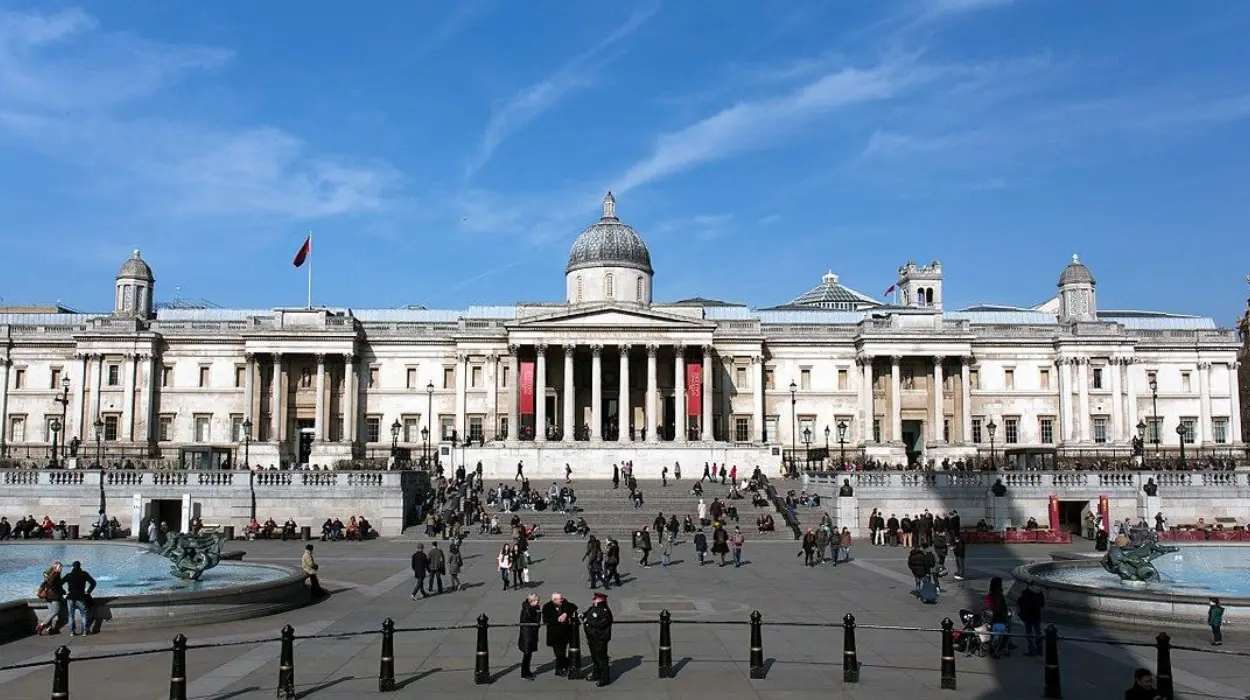
The development of institutions such as The British Museum in 1753 and the National Gallery in 1824 established permanent public access to historic collections.
These institutions changed art from a private possession into a public educational resource. They also created foundations for modern cultural tourism, academic research, and heritage preservation.
How did medieval and royal traditions establish London’s artistic foundations?
London’s artistic foundations developed through medieval guild systems, royal collections, and religious commissions before public museums emerged, creating institutions that preserved paintings, sculptures, decorative objects, and archives while connecting artistic production with political authority, education, and urban growth over centuries
Medieval London functioned as a centre of skilled production. Churches, monasteries, royal households, and wealthy merchants commissioned artworks for religious devotion, decoration, and political expression.
The medieval period was shaped by the influence of the Crown and the Church. Westminster Abbey became one of the most important religious and architectural centres in England. Its construction and decoration reflected royal authority and changing artistic methods.
The Tudor period introduced stronger connections between portraiture and political power. Monarchs used painted portraits to communicate status, legitimacy, and international relationships. Artists working for the court created visual records of rulers, diplomats, and influential families.
During the reign of Henry VIII, royal collecting expanded alongside major religious and political changes. The Dissolution of the Monasteries between 1536 and 1541 transformed ownership of religious artworks and altered London’s cultural landscape.
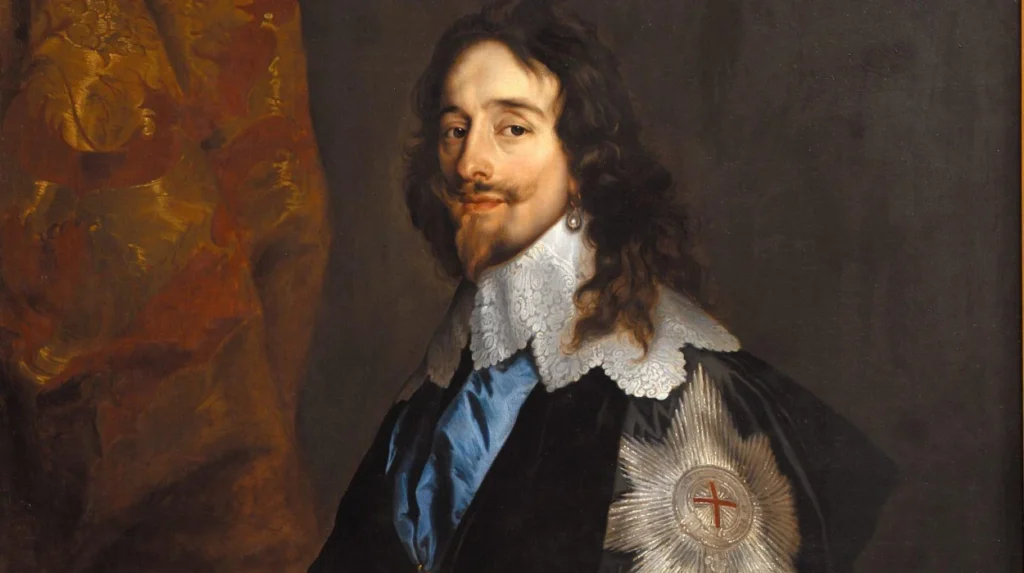
The Stuart era continued the growth of royal collections. Charles I became one of Europe’s most significant art collectors. His collection included works by European masters and influenced later British approaches to collecting.
Although royal collections remained central, London’s expanding merchant economy created new groups of art buyers. Wealth generated through trade supported private collections, decorative interiors, and commissions from professional artists.
How did the Renaissance and early modern periods transform London’s art culture?
The Renaissance and early modern periods transformed London’s art culture through court patronage, overseas trade, scientific exchange, and collecting practices, with examples including royal acquisitions, Tudor portraits, and Stuart commissions that expanded artistic networks before institutional reforms reshaped public access
London’s Renaissance influence developed through connections with continental Europe. Artists, scholars, diplomats, and collectors exchanged ideas between England and European centres including Florence, Venice, Antwerp, and Paris.
The city’s artistic development was connected to broader political and economic changes. The growth of overseas commerce increased wealth among merchants and trading companies. These groups became important supporters of architecture, portraiture, and decorative arts.
The establishment of the Royal Academy of Arts in 1768 created a formal structure for professional artistic education and exhibition. The institution promoted training, public exhibitions, and debates about artistic standards.
The Royal Academy represented a shift from informal patronage towards organised artistic institutions. Its annual exhibitions introduced artists to wider audiences and created a public marketplace for artistic reputation.
Scientific exploration also influenced London’s collections. Natural history specimens, maps, archaeological objects, and artworks entered collections connected to organisations such as the Royal Society, founded in 1660.
This period established many principles that continue within London’s cultural institutions today. Collecting, classification, preservation, and public display became connected processes.
The transition from private collections to public museums created a foundation for modern cultural accessibility. Art became increasingly linked with education and national identity rather than only aristocratic ownership.
How did the eighteenth and nineteenth centuries change London’s art landscape?
The eighteenth and nineteenth centuries changed London’s art landscape through academies, exhibitions, industrial wealth, and urban development, with examples including the Royal Academy, public museums, Victorian galleries, and redesigned districts that expanded access to visual culture across wider social groups
The Industrial Revolution transformed London between the late eighteenth and nineteenth centuries. Population growth, manufacturing expansion, and improved transport systems reshaped the city’s cultural geography.
Victorian London invested heavily in museums and educational institutions. The belief that cultural knowledge improved public education encouraged the creation of accessible collections.
The South Kensington cultural district became one of the most important examples of Victorian cultural planning. The area developed around institutions including the Victoria and Albert Museum, founded in 1852, and the Natural History Museum, opened in 1881.
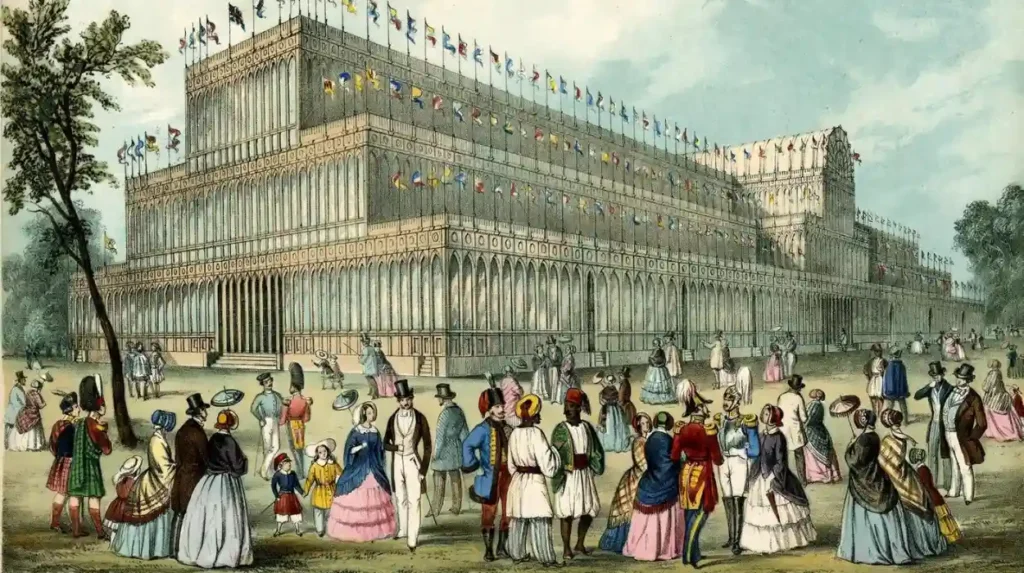
The Great Exhibition of 1851 at the Crystal Palace demonstrated Britain’s industrial and artistic achievements. The exhibition attracted approximately six million visitors and influenced later approaches to museums, design education, and international cultural exchange.
Art movements also expanded during this period. The Pre-Raphaelite Brotherhood, founded in 1848, challenged academic traditions by promoting detailed observation, medieval themes, and alternative approaches to painting.
The nineteenth century also saw the growth of commercial galleries and auction houses. These businesses created new systems for buying, selling, and evaluating artworks.
Architectural development played a major role in London’s artistic identity. Public buildings, exhibition halls, railway stations, and civic structures became expressions of national ambition.
To experience this historic relationship between architecture, collections, and modern cultural tourism in person today, consult our comprehensive [Best Museums Beyond the Tourist Trail for Unique Cultural Experiences Across Greater London] for itineraries and visiting parameters.
How did twentieth-century movements redefine London’s artistic identity?
Twentieth-century London art movements reflected modernist experimentation, migration, war, and technological change, with examples including abstract painting, independent galleries, public art projects, and new creative districts that challenged traditional institutions and established the capital as an international centre for contemporary
The twentieth century brought major changes to London’s artistic environment. Two World Wars, economic restructuring, and international migration transformed artistic communities and cultural institutions.
Modernism introduced new approaches to colour, form, materials, and artistic expression. London became connected with international movements that rejected traditional academic methods.
The arrival of artists from different countries strengthened London’s creative networks. Migration after the Second World War introduced new cultural perspectives and influenced painting, sculpture, photography, performance, and design.
Independent galleries became increasingly important. Small exhibition spaces supported emerging artists outside traditional institutions. These venues helped establish new artistic communities in areas such as Soho, Chelsea, and later East London.
The 1960s and 1970s witnessed major changes in British contemporary art. Conceptual art, performance art, and experimental practices expanded definitions of artistic production.
The creation of the Greater London Council’s cultural programmes during the twentieth century also increased support for public art and community projects. Public funding connected artistic activity with local communities.
London’s contemporary reputation grew through institutions such as Tate Modern, which opened in 2000 inside the former Bankside Power Station. The building demonstrated how industrial heritage could be adapted for modern cultural use.
The preservation of historic structures became a defining feature of London’s creative development. Former factories, warehouses, and industrial buildings became studios, galleries, and cultural venues.
How do contemporary creative spaces connect London’s past and present?
Contemporary London creative spaces connect historic collections with digital innovation, community programmes, and adaptive architecture, with examples including converted industrial buildings, artist studios, and mixed-use cultural venues that preserve heritage while supporting new forms of artistic production and public engagement
Modern London combines historic preservation with experimental cultural development. The city’s creative spaces demonstrate how heritage buildings continue serving new purposes.
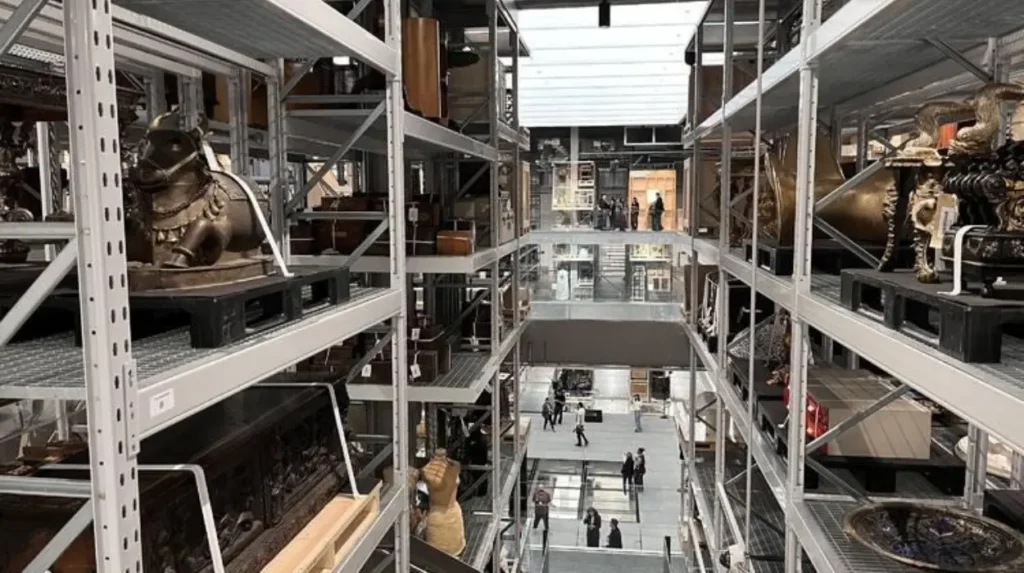
Adaptive reuse has become an important approach to conservation. It involves modifying existing structures while protecting significant architectural features. Former industrial buildings now support galleries, studios, exhibitions, and creative businesses.
The regeneration of areas such as Bankside, Shoreditch, and King’s Cross demonstrates this relationship between heritage and innovation. These districts combine historic buildings with new cultural infrastructure.
Digital technology has also transformed London’s art scene. Museums and galleries use online collections, digital archives, virtual exhibitions, and interactive tools to increase public access.
The growth of artist-led spaces has expanded opportunities for emerging creators. These spaces provide affordable working environments, exhibition opportunities, and connections between artists and local communities.
London’s creative economy remains closely connected to its historical institutions. Museums preserve centuries of artistic production while contemporary venues explore new methods of making and experiencing art.
The city’s cultural infrastructure supports education, tourism, research, and international exchange. Historic collections provide evidence of past societies, while contemporary spaces document current social and technological changes.
Preservation organisations, including Historic England, protect buildings and sites connected with artistic history. Their work ensures that architectural environments remain available for future research and public understanding.
Why does London’s art heritage remain important for future generations?
London’s art heritage remains significant because preserved collections, historic buildings, and contemporary spaces document social change, economic development, and creative exchange, with examples including national museums, protected landmarks, and community arts centres that support research, tourism, education, and cultural continuity
London’s art history provides evidence of how societies create, preserve, and interpret cultural objects. Paintings, sculptures, buildings, archives, and exhibition spaces reveal changing ideas about identity and community.
Historical research depends on preserved records. Museum catalogues, municipal archives, conservation reports, and academic studies provide evidence for understanding London’s artistic development.
The city’s collections contain millions of objects representing different periods and cultures. The British Museum houses approximately eight million objects, making it one of the largest museum collections in the world.
Conservation science continues to influence how artworks are preserved. Specialists use scientific analysis, environmental monitoring, and restoration methods to protect materials from deterioration.
London’s art institutions also contribute to genealogy and local heritage research. Portrait collections, property records, exhibition catalogues, and archives help researchers investigate historical individuals and communities.
Cultural tourism remains a major part of London’s economy. Visitors explore historic collections, architectural landmarks, and contemporary creative districts as connected parts of the city’s identity.
The future relevance of London’s art scene depends on maintaining connections between historical knowledge and present-day creativity. Museums, galleries, archives, and creative spaces continue to document the changing relationship between society and artistic expression.
London’s evolution from medieval workshops and royal collections to contemporary creative spaces demonstrates a continuous process of cultural transformation. The city’s artistic identity remains rooted in preservation, innovation, and public engagement.
Frequently Asked Question
Why is London considered one of the world’s leading art capitals?
London is considered one of the world’s leading art capitals because it combines centuries of artistic heritage with world-renowned museums, historic galleries, royal collections, contemporary creative spaces, and internationally recognised cultural institutions. From medieval craftsmanship and Renaissance patronage to modern galleries like Tate Modern, the city’s rich artistic legacy continues to support education, tourism, research, and innovation.