
Key Points
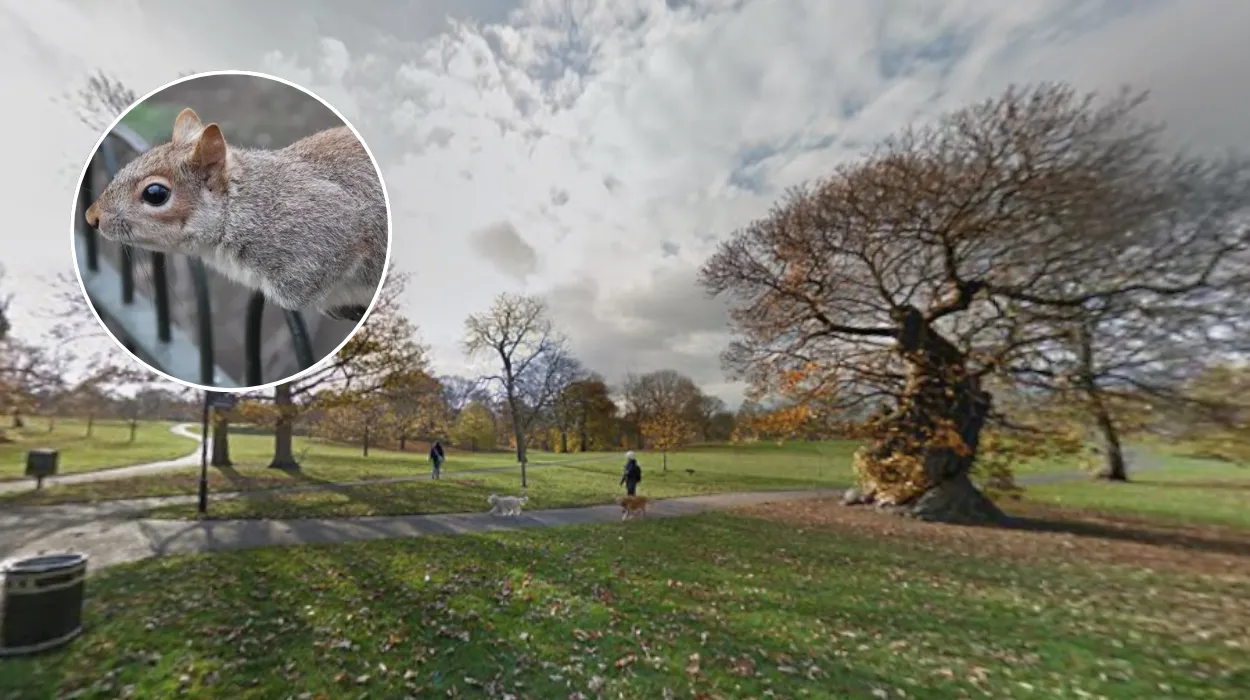
- Introduction to the UK Capital: Grey squirrels (Sciurus carolinensis) are one of the most prominent, visible wild mammal species inhabiting London’s major green spaces, gardens, and urban parks.
- Historical Background: Originally arriving from North America over a century ago during the late 19th-century Victorian era, these rodents were brought over as part of an acclimatization movement.
- Controversial Status: As reported by Burak Bir of Anadolu Agency, grey squirrels occupy a “strange position” in the United Kingdom, being adored by many members of the public while simultaneously facing intense scrutiny as an invasive, harmful species to native red squirrels.
- Expert Insights: Natalia Doran, an expert on grey squirrels and founding director of the Urban Squirrels organization, highlighted that criticisms of the species are sometimes driven by xenophobia or a desire to cull under the guise of conservation, rather than strict ecological necessity.
- Ecosystem Adaptability: Doran noted that red squirrel declines began well before grey squirrels arrived, largely driven by historical deforestation, and added that grey squirrels excel as urban survivors due to their high adaptability compared to habitat-sensitive red squirrels.
- Health and Environmental Impact: Research published in journals like Environmental Pollution and highlighted by The Guardian (reported by corresponding environmental journalists) indicates that urban grey squirrels face worsening lung damage from heavy city traffic pollution the closer they live to central London locations like Westminster compared to leafier peripheral zones like Richmond Park.
- Human-Wildlife Bonds: During the COVID-19 pandemic, numerous Londoners regarded grey squirrels as vital “lock-down buddies” that aided mental wellbeing, with some citizens even arguing they offered therapeutic value akin to animal-assisted mental health support.
- Management and Legal Battles: Despite their popularity as semi-pets among park-goers and tourists, grey squirrels face strict legislative bans against re-release into the wild, prompting ongoing legal challenges and fierce public petitions against lethal population control measures inside London’s Royal Parks.
London (The Londoner News) July 29, 2023 — Across the sprawling, manicured landscapes of the British capital’s most famous public spaces, the eastern grey squirrel remains an unavoidable fixture of daily urban life. Whether darting across the emerald lawns of Hyde Park, begging for morsels near Kensington Gardens, or navigating the historic trees of St. James’s Park, these intelligent rodents command a complex legacy. While they delight millions of tourists and local residents who frequent London’s Royal Parks, they simultaneously sit at the center of a long-standing, polarized conservation debate regarding biodiversity, foreign species introduction, and the ethics of urban wildlife management.
Why Are Grey Squirrels Such a Controversial Species in Britain?
The eastern grey squirrel (Sciurus carolinensis) was introduced to Britain from North America during the late Victorian era.
According to historical accounts, their transatlantic transport was part of a fashionable scientific movement known as acclimatization, wherein plants and animals were exchanged between continents to test their capacity to thrive abroad. Today, data from the Wildlife Trusts indicates that grey squirrels outnumber native red squirrels (Sciurus vulgaris) by roughly 18 to one across the UK, maintaining a total estimated population of around 2.5 million.
As reported by Burak Bir of Anadolu Agency, Natalia Doran, an expert on grey squirrels and founding director of the Urban Squirrels organization, stated that grey squirrels occupy a unique and polarizing position within British society. Doran stated that:
“I don’t know to what extent this is xenophobia, to what extent it is probably just wanting to kill something, covering it up with a fig leaf of conservation.”
Doran further challenged prevailing ecological narratives blaming grey squirrels entirely for the near-extinction of native red squirrels in England.
As reported by Burak Bir of Anadolu Agency, Doran explained that red squirrel numbers had been dwindling well before grey squirrels arrived due to widespread historical deforestation, noting that:
“Red squirrels are not as adaptable as grey squirrels, where they need a very specific habitat in order to survive, kind of hundreds of acres — if not thousands — of forest, ideally, pine forests, whereas grey squirrels can live in our parks and gardens. They’re extremely adaptable.”
How Do Londoners Interact With Urban Grey Squirrels?
For many residents and visitors in London, grey squirrels function almost as semi-pets. Their tame behavior—often approaching park benches, accepting food from human hands, and occasionally climbing legs to share food—has fostered a deep emotional bond.
As reported by Burak Bir of Anadolu Agency, Natalia Doran noted that during the COVID-19 pandemic lockdowns, numerous individuals reported that grey squirrels acted as essential “lock-down buddies” that helped alleviate feelings of isolation. Doran elaborated that:
“Many people have said to me that grey squirrels helped them out of mental illness. One person even said they should be prescribed on the NHS (National Health Service).”
Doran added that for many urban dwellers, these creatures represent virtually the only wild mammal they encounter during daylight hours in the heart of the metropolis.
Explore More Local London News
Andy Burnham Eyes Council Tax Reform In London 2026
Harrods Street Makeover Plans Revealed for Knightsbridge 2026
What Are the Health Impacts of City Life on Squirrel Populations?
While park-goers view grey squirrels as resilient urban survivors, scientific research reveals that city living takes a tangible physical toll on the animals. Studies published in environmental journals, as highlighted by science journalists, have demonstrated a clear correlation between urban air pollution and respiratory health in urban wildlife.
Research tracking rodent populations across the capital found that grey squirrels residing closer to central London locations, such as Westminster, suffer from significantly worse lung damage compared to their suburban counterparts.
Conversely, populations located in greener peripheral spaces like Richmond Park exhibit markedly healthier respiratory systems. Environmental researchers have expressed concerns that these air contamination markers reflect broader environmental hazards affecting not only wild mammals and birds but also domestic pets like dogs and cats living within urban environments.
Are Lethal Control Measures Used in London’s Royal Parks?
Despite their popularity with the public, municipal authorities face ongoing pressure to manage grey squirrel numbers due to their classification as an invasive species.
Freedom of information disclosures have previously highlighted substantial culling numbers across major London green spaces, including Richmond Park, Bushy Park, Hyde Park, Kensington Gardens, and Greenwich Park over past years.
Animal welfare advocates and public petitioners have repeatedly condemned these lethal interventions as cruel and unnecessary, pushing instead for humane, non-lethal population management strategies such as oral contraception.
However, tensions remain high as conservation groups emphasize the ongoing ecological threat posed by grey squirrels to remaining red squirrel sanctuaries in northern England and Scotland, leaving the future of London’s most visible urban wildlife hanging in a persistent regulatory and ethical balance.