London offers far more than museums for families seeking meaningful days out. Historic parks, royal landmarks, riverside districts, wildlife centres, gardens, markets, theatres, observatories, and cultural neighbourhoods provide educational and recreational experiences that reveal the capital’s history while encouraging exploration across generations. These attractions combine centuries of heritage with modern visitor facilities, making them suitable throughout the year.
- Why do London’s neighbourhoods offer outstanding family attractions beyond museums?
- Which historic royal parks provide the best family experiences?
- What makes Greenwich one of London’s most educational family destinations?
- How does the South Bank combine entertainment with London’s history?
- Why is Richmond an ideal destination for nature-loving families?
- What family attractions can be enjoyed around Covent Garden?
- How does Hampstead Heath preserve London’s natural and historical landscape?
- Why do London’s historic markets appeal to families?
- How do London’s gardens support family learning?
- What role do London’s theatres play in family cultural experiences?
- How has the River Thames shaped family attractions across London?
- Why do London’s neighbourhood attractions remain historically important today?
Why do London’s neighbourhoods offer outstanding family attractions beyond museums?
London’s neighbourhoods preserve nearly 2,000 years of urban history through parks, palaces, gardens, theatres, markets, waterways, and public landmarks. Families experience living history while enjoying outdoor recreation, architecture, wildlife, and cultural traditions that continue shaping the city’s identity across every generation today.
Unlike enclosed museum spaces, London’s historic neighbourhoods present heritage within everyday environments. Roman roads, medieval churches, Georgian squares, Victorian parks, Edwardian entertainment venues, and modern public spaces exist alongside active communities.
The city covers approximately 1,572 square kilometres and contains more than 3,000 public parks and green spaces. Historic neighbourhoods such as Westminster, Greenwich, Richmond, Kensington, South Bank, Covent Garden, Camden, and Hampstead each represent different periods of London’s development.
Family attractions beyond museums encourage active participation. Children climb ancient hills, observe wildlife, travel by historic boats, explore royal gardens, watch street performers, and experience theatres that continue traditions established centuries ago. These experiences help explain London’s evolution through architecture, landscape, and community life.
Educational institutions frequently organise field visits to these neighbourhoods because they illustrate political history, urban planning, scientific achievement, engineering, and environmental conservation within authentic settings.
Which historic royal parks provide the best family experiences?
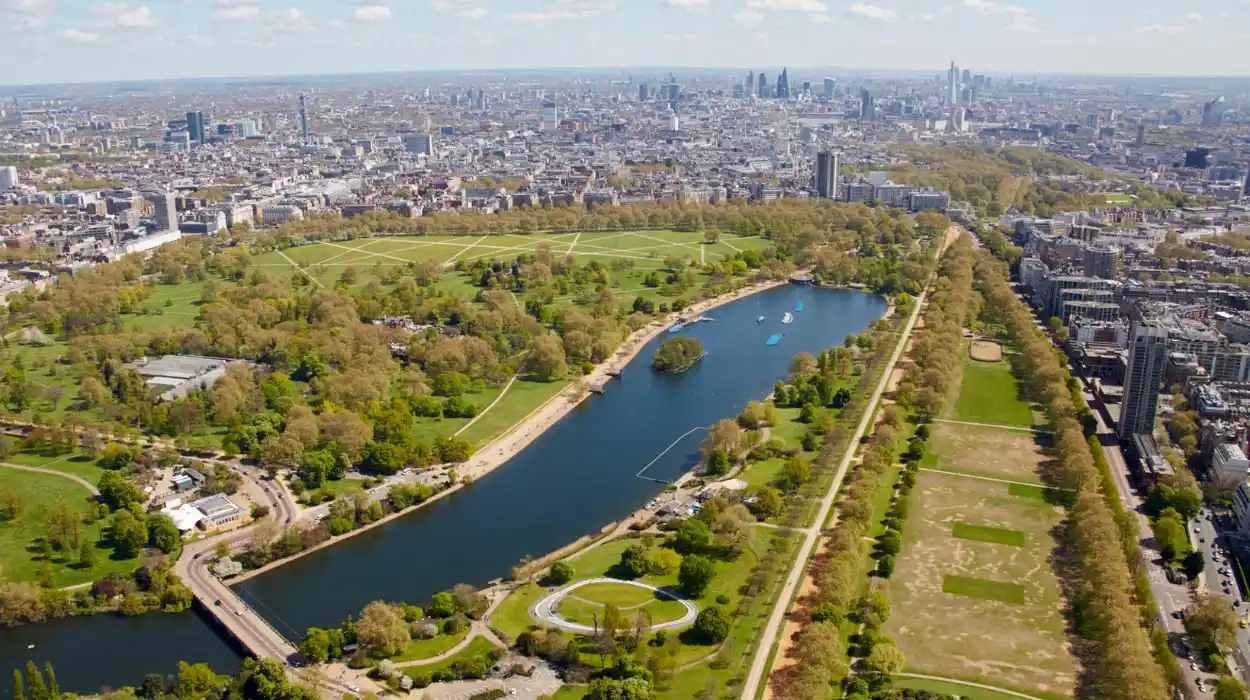
London’s Royal Parks combine centuries of royal history with playgrounds, lakes, wildlife habitats, ceremonial landscapes, and educational programmes. Families enjoy outdoor recreation while discovering former royal hunting grounds that evolved into public spaces serving millions of annual visitors across the capital.
The Royal Parks originated as private hunting estates for English monarchs before gradually becoming public recreational areas.
Hyde Park
Hyde Park covers approximately 142 hectares and became accessible to the public during the seventeenth century. Once part of the estate acquired by Henry VIII in 1536, it now attracts millions of visitors annually.
Families enjoy the Diana Memorial Playground nearby in Kensington Gardens, boating on the Serpentine Lake, horse riding routes, cycling paths, and seasonal events.
The Serpentine, created in 1730 under Queen Caroline, represented one of England’s earliest naturalistic artificial lakes.
Kensington Gardens
Originally part of Hyde Park, Kensington Gardens became a separate landscaped royal garden during the reign of William III.
Children visit the playground inspired by Peter Pan, while adults appreciate Italian Gardens, formal avenues, Albert Memorial views, and Kensington Palace.
Regent’s Park
Designed primarily by John Nash during the early nineteenth century, Regent’s Park combines formal gardens with recreational facilities.
Its boating lake, open spaces, sporting grounds, and nearby zoological attractions create a varied family destination.
London’s Royal Parks collectively protect thousands of mature trees, numerous wildlife habitats, and significant monuments illustrating Britain’s royal heritage.
What makes Greenwich one of London’s most educational family destinations?
Greenwich combines maritime history, astronomy, royal heritage, riverside landscapes, and scientific discovery within a UNESCO World Heritage Site. Families experience global navigation history while enjoying open parks, historic ships, observatories, and panoramic views overlooking the River Thames together.
Greenwich played a defining role in Britain’s naval expansion and scientific advancement.
The area became associated with royal residences during the fifteenth century before evolving into an international centre for navigation.
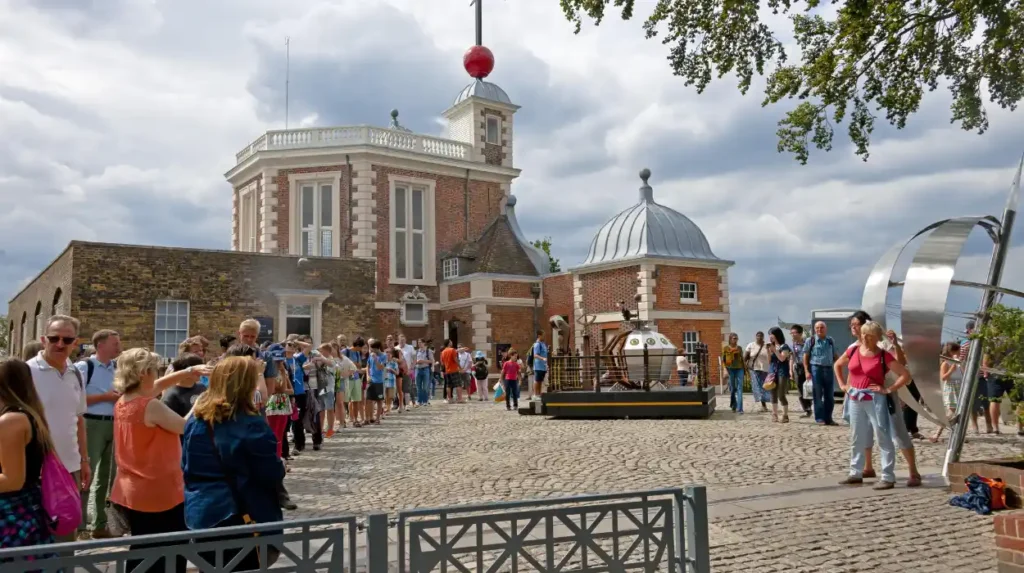
Greenwich Park, established in 1433, remains London’s oldest enclosed Royal Park.
Families walk across extensive lawns leading toward the Royal Observatory, where the Prime Meridian defines longitude and world time measurement.
Children frequently enjoy standing simultaneously in both the eastern and western hemispheres.
Nearby stands the historic riverside environment surrounding the former Royal Naval College, showcasing Christopher Wren’s architectural planning.
Boat services along the Thames allow families to appreciate London’s riverside development from a historical perspective.
To experience this historic landmark in person today, consult our comprehensive [How London Adapted to Its Climate Through Architecture, Transport, and Public Spaces] for itineraries and visiting parameters.
How does the South Bank combine entertainment with London’s history?
The South Bank transforms former industrial riverfront land into one of Europe’s leading cultural districts. Families discover theatres, riverside walks, public art, historic bridges, festivals, gardens, and recreational spaces while learning how London’s waterfront continuously evolved through centuries of commerce.
Historically, the southern bank of the Thames supported entertainment, industry, warehouses, and trade beyond the medieval City of London.
The area underwent major redevelopment after the Festival of Britain in 1951.
Today, continuous pedestrian pathways connect numerous landmarks.
Families enjoy riverside performers, gardens, seasonal markets, open-air events, playgrounds, and panoramic river views.
The route passes beneath historic bridges representing different engineering eras.
The nearby riverside environment also highlights London’s long relationship with shipping, commerce, and urban regeneration.
Large public festivals continue traditions established during post-war reconstruction, encouraging community participation throughout the year.
Why is Richmond an ideal destination for nature-loving families?
Richmond combines historic landscapes, royal heritage, ancient woodlands, protected deer populations, riverside scenery, and conservation areas. Families experience England’s largest enclosed royal park while exploring habitats that preserve centuries of environmental and cultural history within Greater London today.
Richmond developed as a royal retreat following the construction of Richmond Palace during the Tudor period.
Richmond Park covers approximately 955 hectares, making it Britain’s largest enclosed urban park.
Established by Charles I during the seventeenth century, the park retains large populations of red deer and fallow deer.
Ancient trees, grasslands, ponds, and woodlands create habitats supporting hundreds of wildlife species.
Educational programmes explain biodiversity, habitat management, and conservation.
The River Thames enhances Richmond’s appeal through riverside walking routes, historic bridges, and traditional boating opportunities.
Protected conservation policies ensure these landscapes continue reflecting centuries of ecological history.

What family attractions can be enjoyed around Covent Garden?
Covent Garden blends historic markets, street entertainment, theatre traditions, public squares, shopping arcades, and historic architecture. Families experience London’s performing arts heritage while exploring one of the capital’s longest-established commercial and cultural neighbourhoods throughout every season.
Covent Garden originated as a convent garden belonging to Westminster Abbey before becoming London’s principal fruit and vegetable market.
The current market buildings date largely from the nineteenth century.
Today, families encounter professional street performers including musicians, acrobats, magicians, and classical entertainers.
The surrounding Theatreland district preserves centuries of dramatic performance traditions dating from the Restoration period.
Historic covered arcades provide weather protection while maintaining Victorian architectural character.
Public squares host seasonal decorations and community celebrations throughout the calendar year.
How does Hampstead Heath preserve London’s natural and historical landscape?
Hampstead Heath protects ancient woodland, historic ponds, archaeological remains, elevated viewpoints, and traditional walking landscapes. Families explore one of London’s oldest surviving natural environments while understanding how conservation safeguarded open countryside despite continuous urban expansion nearby.
Hampstead Heath extends across approximately 320 hectares.
The landscape retains geological formations, woodland, meadows, and ponds shaped through natural processes over centuries.
Parliament Hill provides one of London’s most celebrated panoramic viewpoints.
Historical records document recreational use since medieval times.
Campaigns during the nineteenth century prevented extensive urban development across the Heath.
Families enjoy walking trails, wildlife observation, educational nature programmes, and seasonal outdoor activities.
The Heath demonstrates successful long-term preservation within one of Europe’s largest metropolitan areas.
Why do London’s historic markets appeal to families?
Historic London markets preserve centuries of commercial traditions through architecture, food culture, crafts, entertainment, and community activity. Families experience living urban heritage while exploring neighbourhoods where trading practices shaped London’s economic development across multiple historical periods together.
Markets functioned as centres of commerce, communication, and social interaction throughout London’s history.
Borough Market
Trading records near Borough Market extend back more than 1,000 years.
Families discover traditional foods, artisan producers, seasonal produce, and educational demonstrations about food preparation.
Leadenhall Market
Dating principally from the Victorian era, Leadenhall Market features ornate architecture replacing earlier medieval market activity.
Its decorative roof and historic walkways provide architectural interest alongside shopping opportunities.
Camden Market
Although much newer than medieval markets, Camden illustrates twentieth-century regeneration through creative industries, independent businesses, and cultural diversity.
Historic markets demonstrate how London’s commercial geography evolved from local exchange into global trade networks.
How do London’s gardens support family learning?
Historic gardens introduce families to botany, landscape design, environmental conservation, and horticultural history. London’s public gardens preserve rare plant collections, formal landscapes, scientific research, and educational programmes that connect natural heritage with centuries of landscape architecture and urban planning.
Gardens have shaped London’s identity since medieval monastery gardens and Tudor palace landscapes.
Kew Gardens developed into one of the world’s leading botanical research institutions.
Its living collections contain tens of thousands of plant species supporting international scientific research.
Chelsea Physic Garden, founded in 1673, originally trained apothecaries in medicinal plants.
Numerous neighbourhood gardens preserve Victorian landscape design, Georgian planning principles, and ecological restoration projects.
Children learn about biodiversity, pollination, climate adaptation, and conservation through interactive educational activities.
These gardens contribute significantly to London’s environmental resilience.
What role do London’s theatres play in family cultural experiences?
London’s theatres preserve centuries of dramatic tradition through performances, architecture, education, and community engagement. Families experience storytelling within districts where theatrical culture has flourished continuously since the Elizabethan era, strengthening London’s international cultural reputation across generations today.
London became Europe’s theatrical centre during the late sixteenth century.
Purpose-built playhouses transformed entertainment, literature, and public culture.
Modern family productions continue these traditions while introducing younger audiences to classical stories and contemporary performances.
The West End hosts dozens of theatres representing Victorian, Edwardian, and modern architectural styles.
Educational programmes explain costume production, stagecraft, music, acting, and dramatic history.
These institutions contribute substantially to London’s creative economy while preserving important cultural traditions.
How has the River Thames shaped family attractions across London?
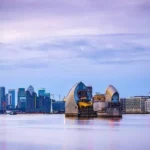
The River Thames defines London’s history through trade, transport, engineering, settlement, defence, and recreation. Families experience centuries of urban development by exploring riverside neighbourhoods, bridges, parks, boat services, and public spaces connected by Britain’s most historically significant waterway.
The Thames supported Roman settlement nearly two millennia ago.
Subsequent centuries witnessed continuous development along its banks.
Historic bridges connected expanding districts while encouraging commerce.
Modern riverside pathways enable families to explore multiple neighbourhoods without relying exclusively on road transport.
Boat journeys reveal changing architectural styles spanning medieval churches, Georgian warehouses, Victorian engineering, twentieth-century redevelopment, and contemporary construction.
Environmental programmes explain tidal systems, flood management, biodiversity, and river restoration.
The Thames remains central to London’s cultural identity and tourism economy.
Why do London’s neighbourhood attractions remain historically important today?
London’s family attractions preserve architecture, landscapes, traditions, ecosystems, and community heritage that collectively document the capital’s development. Continued conservation ensures future generations understand Britain’s political, scientific, cultural, and environmental history through authentic places rather than reconstructed interpretations alone.
Historic preservation protects tangible evidence of London’s evolution.
Conservation organisations maintain parks, listed buildings, archaeological sites, gardens, public monuments, riverside landscapes, and heritage infrastructure.
UNESCO recognition, statutory listing systems, conservation areas, and charitable organisations help safeguard these assets.
Urban planning increasingly integrates heritage protection with sustainability objectives.
Climate adaptation strategies protect historic parks from changing weather patterns while maintaining biodiversity.
Educational outreach encourages families to understand the importance of preserving historic environments.
Neighbourhood attractions beyond museums demonstrate that London’s history exists throughout the city rather than inside exhibition buildings alone. Royal parks, riverside districts, theatres, gardens, markets, observatories, wildlife landscapes, and historic public spaces together create immersive educational experiences that connect past and present. These living environments continue welcoming millions of visitors every year while preserving nearly two thousand years of London’s remarkable cultural development.
What are the best family attractions beyond museums in London?
The best family attractions beyond museums include Hyde Park, Kensington Gardens, Greenwich Park, Richmond Park, Hampstead Heath, Covent Garden, the South Bank, Kew Gardens, Borough Market, and the River Thames riverside walks.