Key Points
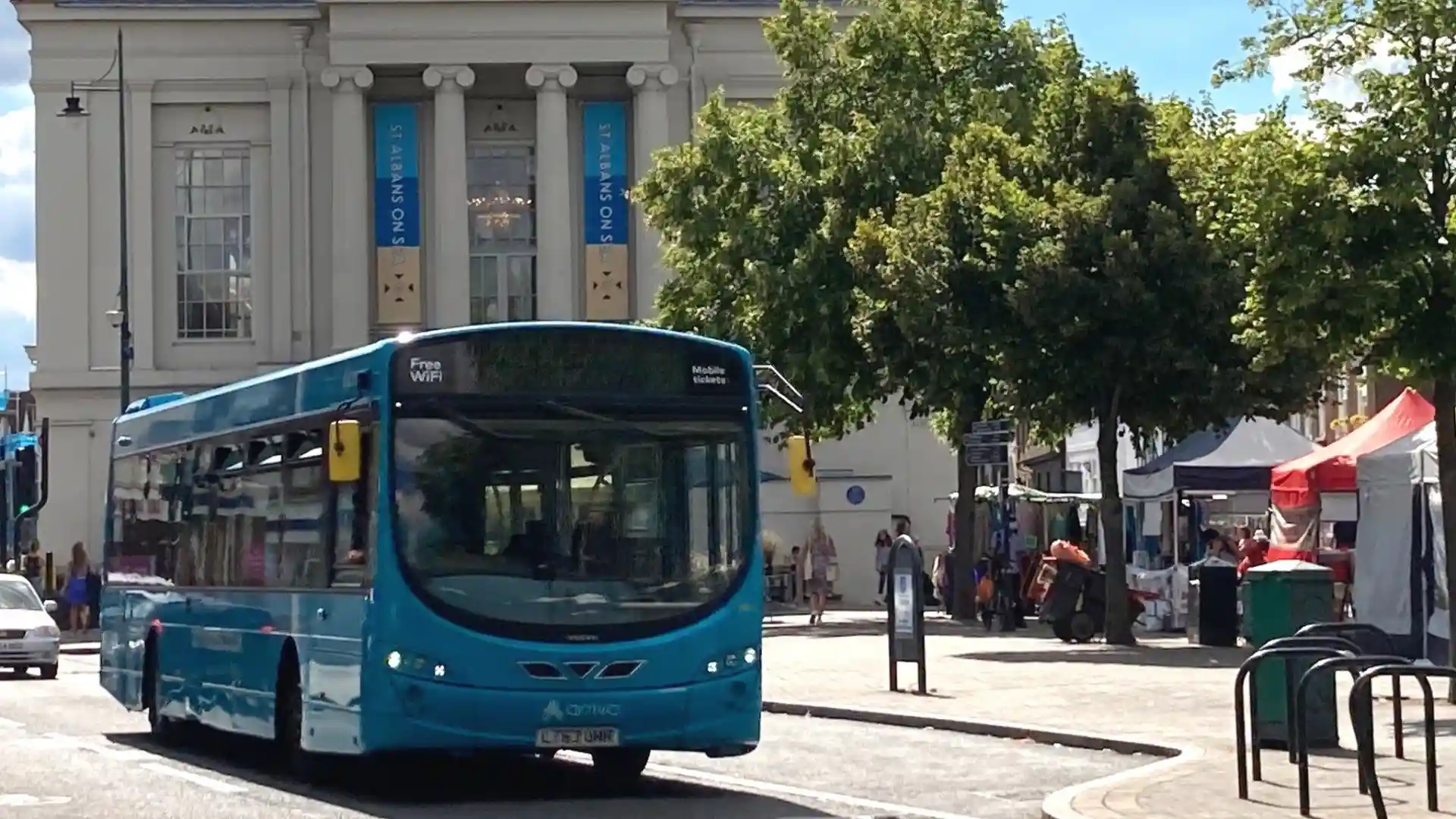
- Massive Industrial Actions: In excess of 1,500 drivers of Arriva North London buses are all set to go on strike for 26 days from Friday, 14 August 2026.
- Reason for Strike: It is all due to the terrible working conditions of Arriva North London buses which include extreme heat in the driver’s cabs during heatwaves. This heat reaches temperatures above 40 degrees, causing exhaustion, fatigue, and even health issues.
- Areas Affected: Eight bus garages will face problems; these garages are as follows: Barking, Edmonton, Enfield, Grays, Palmers Green, Stamford Hill, Tottenham, and Wood Green.
- Routes Affected: Transport for London (TfL) has informed that 42 bus routes will be affected by this strike, and there would be very minimal or no services available during the strikes.
- Planning of Strikes: The timing of some of the strikes is strategic and coincides with the closure of the London Underground’s Piccadilly line, thus creating travel chaos.
- Union’s Position: The Union has complained that Arriva has put profit motives over the safety of their drivers and has indulged in “union busting”.
London (The Londoner News) August 11, 2026 – North London commuters are bracing for significant travel disruption as more than 1,500 bus drivers prepare for a series of strikes across the capital, potentially lasting for two months. The industrial action, organised by the Unite union, is expected to cripple services on 42 routes operated by Arriva North London, with the first 24-hour walkout scheduled for this Friday, 14 August.
Why are Arriva North London drivers striking?
The industrial action stems from a long-running dispute regarding working conditions within driver cabs. According to reports from Workers’ Liberty, as detailed by journalist Sam Myerson, drivers have raised repeated concerns about the lack of adequate air conditioning. Most buses operated by Arriva North London are equipped only with air cooling systems, which are described as ineffective in extreme weather.
Unite general secretary Sharon Graham stated, as reported by the union’s official press release: “Time and time again drivers have complained to Arriva North London about working in dangerous conditions but the company has failed to act which is completely unacceptable. A profitable company such as Arriva could easily invest in improving conditions for its drivers and protecting the general public but is instead prioritising greed.”
The union further alleges that the heat has caused cases of heat exhaustion, heat stroke, and dehydration among staff. These conditions are not merely a matter of driver comfort; they are a safety risk. As noted by the Chiswick Calendar, journalist Tom Apperley reported that a wider Unite survey found 48 per cent of drivers experienced a “close call” due to fatigue in the past year, with the heat exacerbating these issues.
Which bus routes will be affected by the strikes?
The disruption is concentrated across North London and parts of Essex. According to the Barnet Post, the 42 routes impacted include: 19, 29, 34, 41, 66, 67, 76, 102, 121, 141, 149, 150, 158, 175, 191, 192, 217, 221, 243, 248, 254, 259, 279, 307, 313, 329, 341, 349, 370, 375, 377, 616, 675, SL1, SL2, W3, W4, W6, N19, N29, N41, and N279.
Passengers are advised that Transport for London expects “little or no service” on these routes on strike days. The affected garages, as identified by London Bus Forums, are Barking, Edmonton, Enfield, Grays, Palmers Green, Stamford Hill, Tottenham, and Wood Green.
What are the scheduled dates for the industrial action?
The strikes are set to take place over 26 specific days between August and October. The confirmed schedule is as follows:
- August: 14–15, 18–21, 25–28
- September: 4–5, 7–8, 18–19, 21–22
- October: 2–3, 5–6, 16–17, 19–20
The Chiswick Calendar notes that some of these dates coincide with major closures on the Piccadilly line, which is undergoing engineering work between Cockfosters and Uxbridge. This dual disruption is expected to put immense pressure on alternative transport networks in the area.
Explore more North London News:
Metropolitan Police Officer Sacked for Photographing Dead Body in London 2026
Canopy Children’s Nursery Scathing Ofsted Report, Wembley Park, 2026
What is the position of the authorities and the operator?
The response from official bodies and management has highlighted the tension between operational requirements and worker welfare. A spokesperson for Transport for London (TfL) stated: “We are working together on a range of measures to further improve working conditions, health and wellbeing. We are committed to ensuring that all staff have a fair work schedule, with safe vehicles and access to the facilities they need to carry out their roles effectively.”
While Arriva’s official response to the specific allegations of “union busting” and “bullying” remains contested by the union, Unite has taken proactive measures to support its members. The union has issued an official letter to drivers that they can present to management on days when cab temperatures are deemed unsafe. This document serves as formal notification that the driver is invoking their right under Section 44 of the Employment Rights Act 1996 to refuse work in dangerous conditions.
London Mayor Sadiq Khan has reportedly expressed support for this measure, confirming that he has informed bus companies that staff possess the legal right to stop work during heatwaves if conditions are deemed hazardous.
Is this the first time bus drivers have taken action over heat?
The current dispute is part of a broader, long-term struggle over safety standards in the capital’s bus network. As reported by London Bus Forums, this is being viewed as the most significant bus strike to hit North London since 2017. The issue of air conditioning remains a sticking point; according to Unite regional officer Nadine Edwards, as cited by the Chiswick Calendar, only 500 of London’s 9,000 buses are equipped with true air conditioning systems.
For the travelling public, the message from authorities is clear: check the TfL website or the TfL Go app before travelling and allow significantly more time for journeys. As the industrial action begins this week, the dispute shows few signs of de-escalation, leaving thousands of commuters to navigate a landscape of reduced services and uncertainty.