Key Points
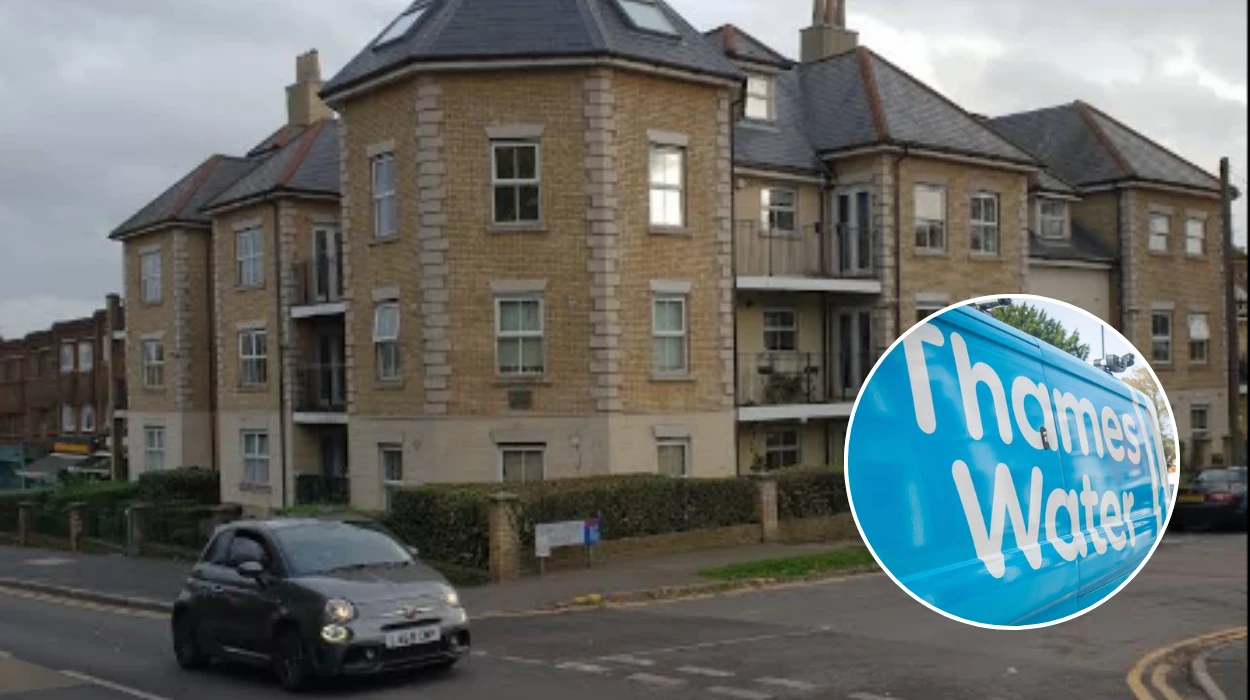
- Extensive Disruption: About 10,000 homes in the Chigwell region in London and Essex currently have no access to water or are only receiving limited pressure.
- Sequence of Events: The problem was initially identified on Saturday evening but worsened due to a new burst pipe discovered on Sunday morning in Chigwell Road in South Woodford.
- Response of the Corporation: Thames Water has apologized to the affected residents and informed that their employees are “working tirelessly” in order to fix the problems with the infrastructure.
- Contextual Information: This is happening amid the hottest summer period in the UK where the UK Health Security Agency has issued amber heat-health alerts in almost all of England from Tuesday through Friday.
- Overall Situation: It should be noted that the water supply problems coincide with the national water crisis, as the UK declared a drought in many parts of England.
London (The Londoner News) August 11, 2026 – A significant water supply failure has left around 10,000 households in the Chigwell and surrounding London areas without water or facing severe pressure drops, compounding the distress of residents during what is on course to be the UK’s hottest summer on record.
The disruption, which originated on Saturday evening, was further complicated by a secondary burst water main on Chigwell Road in South Woodford on Sunday morning. As reported by the environment team of The Guardian, Thames Water has confirmed that they are dealing with the infrastructure faults, apologising to residents for the significant inconvenience caused during the current period of extreme temperatures.
Why have 10,000 homes lost water supply?
The loss of water supply for approximately 10,000 homes in the Chigwell region is primarily attributed to a series of burst water mains. Infrastructure stress is common during periods of extreme heat, as ground movement caused by the drying and shrinking of clay soils often leads to pipe fractures.
According to updates provided by Thames Water and cited in the live reporting by The Guardian, the utility company’s engineering teams have been mobilised to conduct emergency repairs. However, the complexity of the double failure in the Chigwell and South Woodford areas has made the restoration of full service a lengthy process. The company has stressed that they are “working tirelessly” to ensure that the water supply is restored as quickly as possible.
How is the current heatwave impacting water infrastructure?
The UK is currently grappling with a severe environmental challenge. With the Met Office indicating that August 2026 is trending to be the hottest summer in British history, the strain on public utilities has reached critical levels.
As detailed by The Guardian, the UK Health Security Agency (UKHSA) has issued amber heat-health alerts for the West Midlands, East Midlands, London, and the South-East, amongst other regions. These alerts are set to remain in place from 9:00 am on Tuesday until 9:00 pm on Friday. Meteorologists have warned that temperatures could climb to 36C or higher, with the peak of the heat expected on Thursday.
The interplay between the drought and the heatwave creates a feedback loop that leaves water infrastructure vulnerable. As the soil dries out, the resulting ground instability places immense pressure on ageing underground mains, leading to the types of bursts seen in East London and Essex this weekend.
Explore more East London News:
Cyclist Struck by Car in Stepney Green: Stepney Green 2026
Massive Waste Facility Fire Spikes Dagenham Safety Alert 2026
What is the national status of the drought in England?
The situation in Chigwell is not an isolated incident but rather a microcosm of a national crisis. Official records from the UK’s Environment Agency indicate that almost three-quarters of England is now under a formal drought status. This marks the third significant drought in just five years.
As noted in reports by The Guardian’s environment desk, approximately 27 million people across the country are currently subject to some form of water use restrictions. These “Temporary Use Bans” (TUBs) have been implemented by eight different water companies as reservoirs and river levels hit dangerously low points.
The impact extends beyond residential homes. The Canal and River Trust has reported that water shortages have necessitated 26 navigation closures and 19 separate restrictions across the national canal network. Furthermore, the National Farmers’ Union (NFU) has expressed deep concern regarding the food supply chain, warning that farmers are currently facing a “brutal harvest” due to the lack of irrigation water and the absence of adequate feed for livestock.
What measures are being taken to protect vulnerable residents?
With the combination of the water supply disruption and the incoming amber heat-health alerts, local authorities and utility companies are facing increased pressure to provide support to the elderly and vulnerable.
Thames Water has not yet provided a specific timeline for the full restoration of services to the 10,000 affected homes, but they continue to provide updates through their website and direct communication channels. The situation remains fluid, with residents being advised to check for local updates as engineers continue to battle the burst mains in South Woodford.
The broader national strategy, as outlined by the Government’s recent policy announcements, focuses on long-term infrastructure investment. However, for those currently without water in the sweltering heat of August, the focus remains squarely on the immediate, short-term need for reliable utility services. The public is being urged to conserve water where possible to alleviate the pressure on the national network while these emergency repairs are carried out.