
Key Points
- Context of Event: The Notting Hill Carnival took place with its usual Family Day event in West London, attracting large numbers of revelers, families, and tourists.
- Statistics on Arrests: As revealed by the police authorities, there were many arrests made at the ground for committing various crimes like possession of drugs in public, weapon-related offenses, and assaults.
- Crackdown Prior to Event: Before the carnival officially began, the Metropolitan Police conducted intelligence-led interventions in which several weapons, including guns and knives, were seized and many people were arrested.
- Overall Mood: Despite the problems with security and some criminal elements, organizers and families taking part in the event focused on the positive and colorful cultural ambience of the parade.
- Media Coverage: Media articles focus on the issues surrounding crowd control, public safety, and difficulties in organizing one of the largest European street parties.
London (The Londoner News) September 1, 2025 — The annual Notting Hill Carnival experienced a mix of vibrant cultural celebration and heightened security measures during its traditional Family Day, as thousands of visitors filled the streets of west London amidst a substantial police presence.
As reported by correspondents for The Times, the massive street festival—celebrated globally for its Caribbean heritage, elaborate costumes, and sound systems—once again brought sharp focus to the delicate balance between public enjoyment and robust law enforcement. While families and communities gathered to enjoy the music, dance, and culinary displays, security operations remained intense following preemptive police crackdowns designed to mitigate potential risks before the bank holiday celebrations formally commenced.
What Led to the Security Crackdown Prior to Carnival?
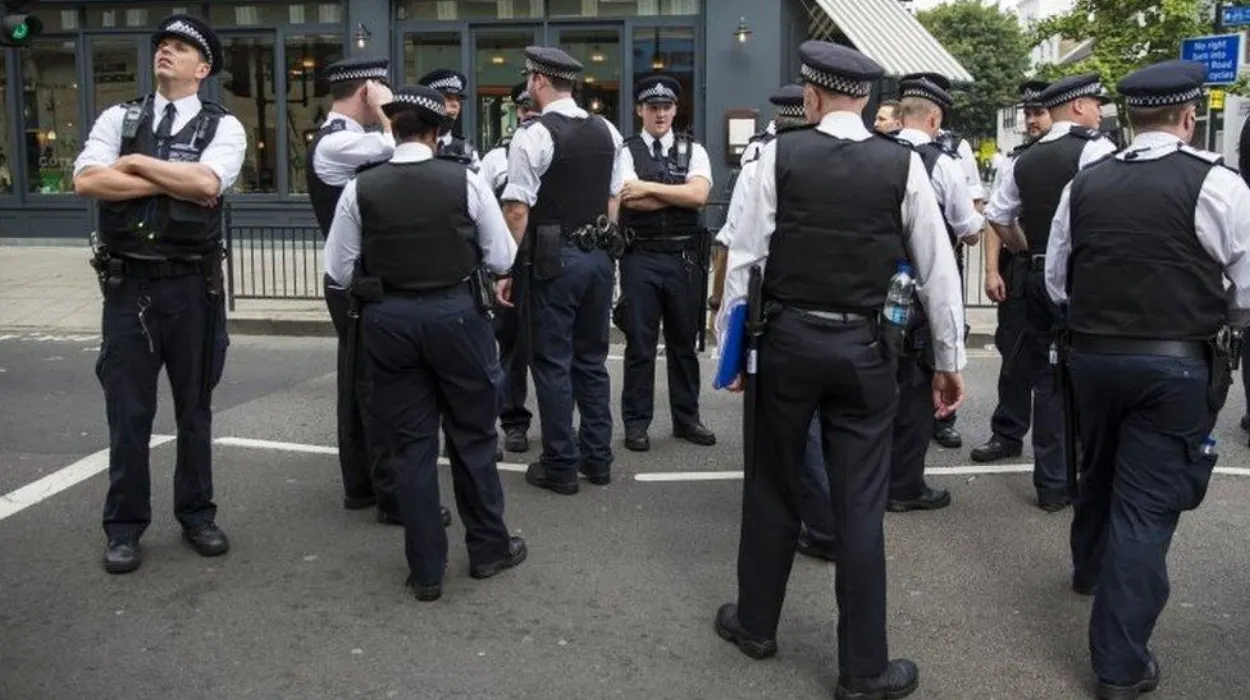
Before the opening notes of the parade echoed through the avenues of west London, the Metropolitan Police implemented stringent measures aimed at curbing anticipated violence. As detailed by security analysts and crime reporters covering the lead-up to the event, law enforcement officials executed a series of targeted, intelligence-led raids.
As reported by operational security correspondents, police teams detained roughly 100 individuals in pre-emptive operations, recalling several dozen individuals back to prison for breaching licence terms. Furthermore, authorities confirmed the recovery of dangerous contraband. As noted in briefings covered by The Times and affiliated media outlets, officers seized multiple firearms alongside more than forty knives to prevent potential escalation during the packed bank holiday weekend.
Commenting on the strategic deployment, police representatives stressed that these proactive steps were necessary to shield ordinary revellers from individuals identified as posing a severe threat to public safety. Commander Charmain Brenyah, speaking on behalf of the Metropolitan Police for the event, stated that
“our policing plan makes tackling serious violence a priority, which is why we’ve carried out intelligence-led interventions against those groups and individuals who we have reason to believe pose the greatest risk to the safety of other carnival-goers”.
How Did Family Day Unfold on the Ground?
As the festivities officially transitioned into Family Day, hundreds of thousands of participants flooded the designated parade routes. Reporters stationed across the neighbourhoods noted a predominantly buoyant and joyful atmosphere, characterised by multi-generational crowds enjoying the traditional floats and steel bands.
However, maintaining order across the sprawling event space proved challenging for the thousands of deployed officers. Media accounts tracking real-time police logs indicated that illicit activities, ranging from petty theft to substance-related violations, quickly prompted interventions from law enforcement personnel stationed at key intersections.
Journalists documenting the day-to-day metrics pointed out that while the vast majority of attendees adhered to safety guidelines and immersed themselves peacefully in the cultural displays, isolated incidents necessitated immediate police action. Officers utilized specialized tools, including live facial recognition technology deployed at strategic checkpoints, to track down suspects wanted on pre-existing warrants or individuals banned from the venue via strict bail and probation conditions.
Explore more Central West London Crime News:
Alan Dore Old Bailey Trial: Shepherd’s Bush Murder, West London, 2026
West London Serial Rapist Levi Bancroft Jailed in London 2026
What Were the Specific Arrest Figures and Incidents Reported?
As the dust settled on the primary day of celebration, law enforcement agencies began compiling comprehensive statistics detailing the infractions committed throughout the afternoon and evening. According to roundups published across major British news titles, the tally of arrests climbed steadily as officers responded to disturbances within the dense crowds.
As outlined in updates covered by crime reporters, the offences logged by the Metropolitan Police spanned a diverse spectrum of criminal activity. A significant proportion of the detentions stemmed from controlled substance violations and possession of offensive weapons. Additionally, a notable number of arrests were linked directly to physical altercations, including instances where officers faced hostility or physical resistance while trying to manage bottlenecks and secure transit corridors.
Detailing the breakdown of the operational data, police spokespersons confirmed that a fraction of the total detentions involved assaults directed at emergency personnel, with at least one law enforcement officer requiring hospital treatment for injuries sustained during a scuffle. Furthermore, isolated reports of robbery and sexual offences contributed to the overall crime tally, prompting renewed scrutiny from municipal authorities regarding crowd density and personal safety.
Why Is There Ongoing Debate Over the Future of the Carnival?
The juxtaposition of vibrant cultural expression and serious criminal infractions has reignited long-standing debates concerning the infrastructure, scale, and long-term sustainability of the Notting Hill Carnival. Urban policy commentators and local community stakeholders have expressed diverging viewpoints on how the event should be managed in subsequent years.
On one hand, cultural advocates and regular attendees argue that focusing disproportionately on arrest statistics distorts the true nature of the festival. As noted in cultural commentaries and opinion columns by regional journalists, comparing the event’s overall arrest rate per capita against other major British gatherings—such as rural music festivals—reveals that the vast majority of participants experience the weekend without incident. Supporters persistently maintain that the carnival represents an indispensable pillar of London’s Caribbean heritage and artistic diversity, offering an essential outlet for community cohesion.
Conversely, municipal leaders and local residents have raised persistent anxieties regarding logistical strains, emergency service capacities, and crowd crushing risks. Public figures, including London Mayor Sadiq Khan, have previously voiced profound concerns regarding crowd safety and public infrastructure limitations, drawing parallels to historical crowd management tragedies to emphasize the gravity of maintaining rigorous safety margins. Critics living within the immediate vicinity frequently point to environmental disruptions, localized property damage, and public health hazards as evidence that the festival has outgrown its traditional residential footprint.
As authorities and organizers review the outcomes of Family Day, the dialogue surrounding the Notting Hill Carnival remains complex. Stakeholders across the spectrum continue to grapple with the challenge of preserving a historic, open-access street celebration while ensuring that modern security frameworks can adequately protect the millions who turn out to partake in its rich traditions.