
Key Points
- Identification of the Victim: Harshita Brella, aged twenty-four years, was found deceased inside the trunk of a silver Vauxhall Corsa parked on Brisbane Road, east London.
- Cause of Death: The post-mortem examination carried out at Leicester Royal Infirmary indicated that she had been manually strangled to death.
- Incident Timeline: According to the Northamptonshire Police, Ms Brella had been killed in her house in Corby on the night of November 10 before being transported some 145 kilometres away to east London the next day.
- The Suspect and The Charges: The CPS issued an authorization to charge the man, 23 years old, with murder, along with charges of controlling and coercive behavior, rape, and sexual assault.
- International Escape: It is thought that Mr Lamba has fled the UK shortly after leaving the car containing the dead body of his wife.
- Prior Safeguarding Action: The IOPC conducted an investigation into the Northamptonshire Police, after news emerged that Ms Brella had complained about domestic violence in August and a DVPO was imposed.
- The Family Reacts: The relatives in Delhi have expressed sorrow and demanded international action, condemning the failures in safeguarding vulnerable women.
London (The Londoner News) September 2, 2026 — British law enforcement agencies launched a massive nationwide and international manhunt following the discovery of a young woman’s body crammed inside the boot of a vehicle in east London, exposing deep flaws in institutional domestic abuse safeguards.
- Key Points
- What Do We Know About the Victim and the Principal Suspect?
- How Did the Investigation Unfold Across Corby and East London?
- What Were the Details of the Legal Charges Authorised by the CPS?
- Why Was the Independent Police Watchdog Involved in the Case?
- What Was the Reaction of the Victim’s Family and the Community?
- What Did Senior Investigating Officers State Regarding the Ongoing Process?
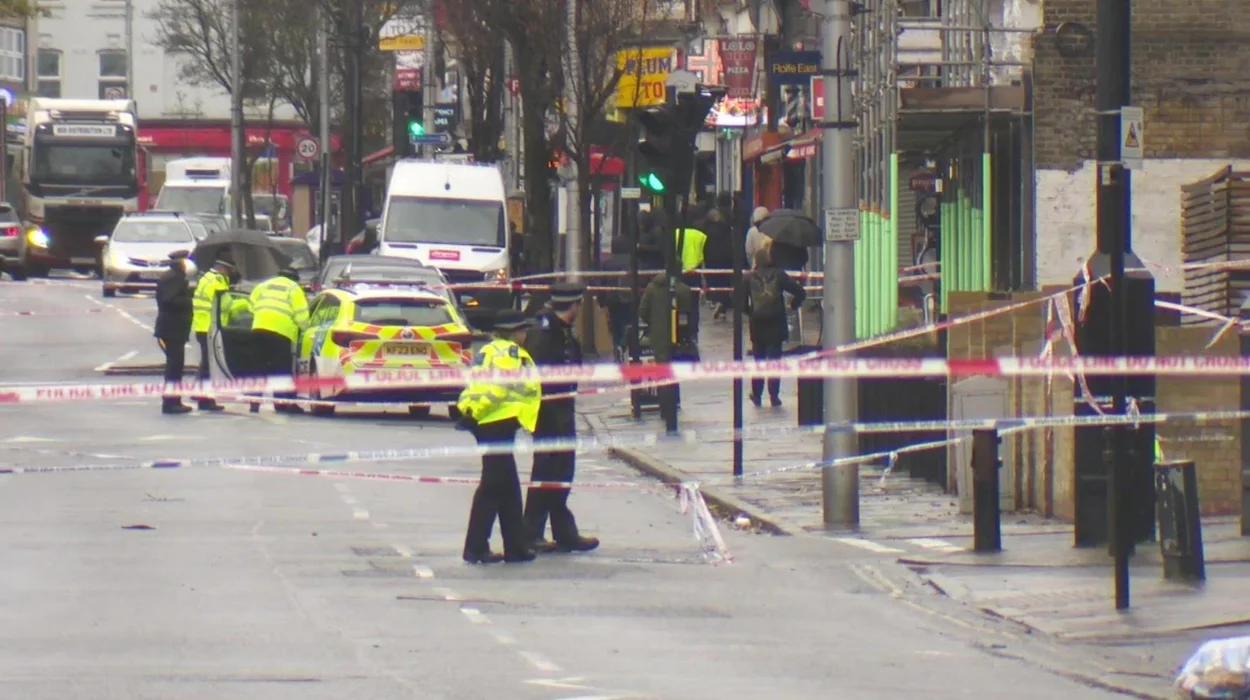
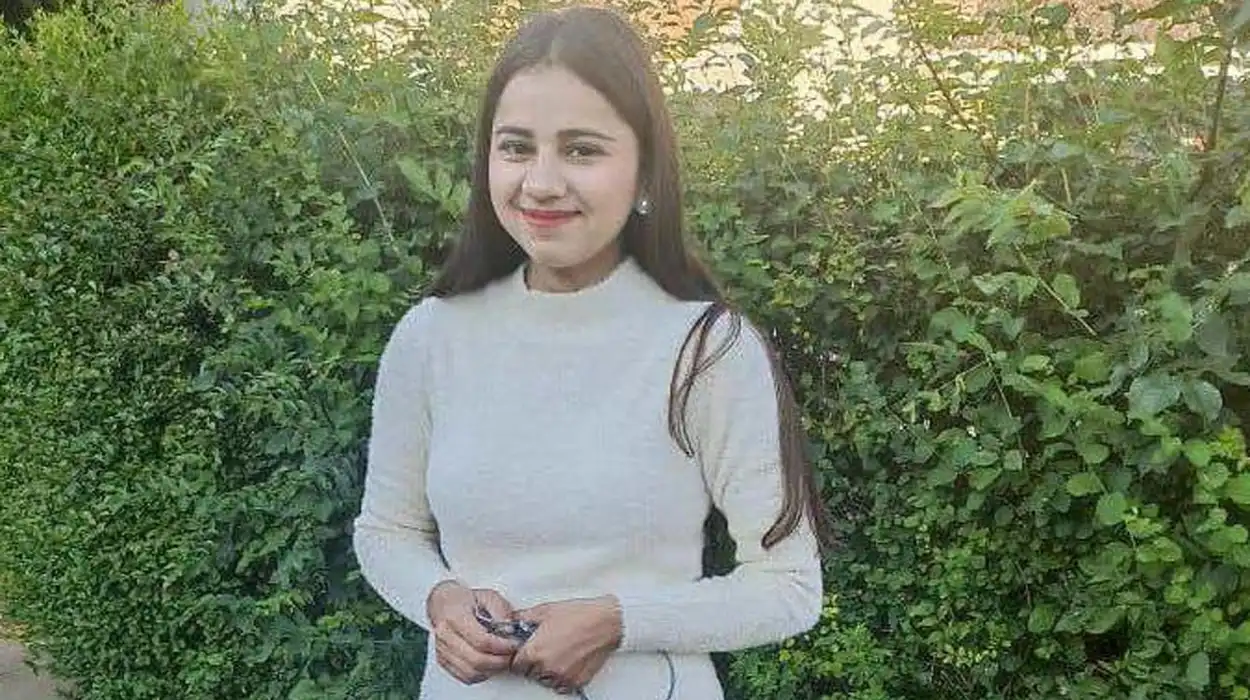
The grim discovery unfolded in the early hours of November 14, 2024, when officers from the Metropolitan Police and Northamptonshire Police converged on Brisbane Road in Ilford, east London. Inside a silver Vauxhall Corsa, authorities located the lifeless body of 24-year-old Harshita Brella, an Indian national who had moved to the United Kingdom earlier that year following an arranged marriage.
As reported by journalist Samiran Mishra of NDTV, Northamptonshire Police established that Ms Brella had likely been murdered several days prior.
“Our inquiries lead us to suspect that Harshita was murdered in Northamptonshire earlier this month by her husband Pankaj Lamba,”
a senior spokesperson for Northamptonshire Police stated.
“We suspect Lamba transported Harshita’s body from Northamptonshire to Ilford by car. We believe he has now fled the country.”
The case quickly escalated into a complex cross-border homicide investigation, drawing intense media scrutiny across both the United Kingdom and India as family members, local authorities, and independent watchdogs grappled with the sequence of events that culminated in the tragedy.
Explore more East London Crime News:
East London Street Attack Leaves Man Fighting for Life in East Ham 2026
Murder Charge After Man Shot Dead in Car East Ham 2026
What Do We Know About the Victim and the Principal Suspect?
Harshita Brella was originally from Delhi, India, where she lived a simple life prior to entering into an arranged marriage with Pankaj Lamba in August 2023. In April 2024, she migrated to the United Kingdom to join her husband, settling in Skegness Walk, Corby, Northamptonshire. While living in the UK, Ms Brella reportedly worked at a local warehouse, whereas Mr Lamba was enrolled as a student in London.
According to statements compiled by The Womb and NDTV correspondents, the marital relationship rapidly deteriorated due to escalating domestic friction and severe physical abuse. Relatives reported that Mr Lamba routinely subjected his wife to controlling behaviour, expressing anger over trivial matters such as domestic chores and frequency of communication with her family back in India.
The principal suspect in the murder is the victim’s 23-year-old husband, Pankaj Lamba. Following the discovery of Ms Brella’s remains, intelligence gathered by automatic number plate recognition (ANPR) systems and closed-circuit television (CCTV) footage indicated that Mr Lamba abandoned the Vauxhall Corsa in Ilford before boarding a flight out of the United Kingdom.
How Did the Investigation Unfold Across Corby and East London?
The sequence of events leading up to the discovery of Ms Brella’s body began to unravel when she failed to communicate with her relatives for multiple consecutive days.
As detailed by NDTV reporter Samiran Mishra, Ms Brella was last heard from on the evening of November 10, 2024, when she informed her family via phone that she was preparing dinner and waiting for her husband to return home. When her mobile phone remained switched off for the next 48 hours, her deeply concerned family grew panicked and formally contacted Northamptonshire Police on November 13, requesting a welfare check.
When local officers entered the couple’s Corby residence, they found no trace of Ms Brella. This triggered an urgent missing person investigation that crossed regional boundaries. Less than 24 hours later, in the early hours of November 14, police in east London located the silver Vauxhall Corsa on Brisbane Road in Ilford and uncovered the gruesome contents of the boot.
Following the recovery of the body, a forensic post-mortem examination was performed. As reported by news outlets, the examination confirmed that Ms Brella died from manual strangulation. Investigators estimated that the homicide occurred on the night of November 10, meaning her corpse remained hidden inside the vehicle boot for nearly four days while being transported nearly 145 kilometres across regional roadways.
What Were the Details of the Legal Charges Authorised by the CPS?
Months after the initial discovery, the legal proceedings advanced significantly. As outlined in a joint press release issued by the Crown Prosecution Service (CPS) and Northamptonshire Police, prosecutors reviewed an exhaustive evidence file compiled by homicide detectives.
Samantha Shallow of the Crown Prosecution Service stated:
“The Crown Prosecution Service has reviewed a file of evidence submitted by the Northamptonshire Police, and has authorised a charge of murder against 23-year-old Pankaj Lamba in relation to Harshita Brella’s death.”
In addition to the murder charge, court documents revealed that Mr Lamba faced severe supplementary accusations, including counts of rape, sexual assault, and continuous controlling or coercive behaviour within an intimate relationship. The charges were formally lodged at Northamptonshire Magistrates’ Court. Because the suspect had already fled British jurisdiction, international legal mechanisms were activated to secure an extradition framework and issue look-out circulars, though his precise physical whereabouts abroad remained an active subject of international police cooperation.
Why Was the Independent Police Watchdog Involved in the Case?
The tragic death of Ms Brella triggered immediate institutional scrutiny concerning how law enforcement agencies responded to her prior complaints of domestic abuse.
Because Ms Brella had previously sought help from British authorities, the Independent Office for Police Conduct (IOPC) announced an independent investigation into Northamptonshire Police. According to background details published by True Crime Discussion and legal correspondents, Ms Brella had filed a formal domestic abuse report in August 2024.
Responding to that initial report, officers arrested Mr Lamba on September 3, 2024. However, rather than maintaining him in custody, he was released on conditional bail, and a Domestic Violence Protection Order (DVPO) was put in place by local courts to shield Ms Brella from further harm.
The decision to release the suspect on conditional bail sparked fierce debate among domestic abuse campaigners and legal analysts. The IOPC’s investigation sought to determine whether Northamptonshire Police officers followed all standard operating procedures, risk-assessment protocols, and safeguarding measures during their August and September interactions with the victim, raising critical questions about whether institutional interventions failed to prevent a predictable escalation of violence.
What Was the Reaction of the Victim’s Family and the Community?
The murder reverberated deeply across international borders, plunging Ms Brella’s family in Delhi into profound grief while sparking outrage over systemic failures in women’s safety.
In emotional interviews with international journalists, the victim’s father, Satbir Brella, described his daughter as a gentle, hardworking young woman with aspirations of building an independent career as a teacher. Her sister, Sonia Dabas, recounted harrowing details of marital discord, stating that Ms Brella had previously fled her home following physical assaults but returned in a desperate attempt to salvage her marriage.
As reported by The Womb and various news syndicates, Ms Brella’s family expressed deep frustration regarding the pace of international updates. Ms Dabas stated during media interactions:
“It’s been months, and there’s been no update, no new information. They haven’t shared anything with our embassy, our Delhi Police—no documentation, no emails. Nothing.”
Furthermore, the victim’s mother voiced her anguish over the limitations of cross-border legal frameworks, noting that while the family maintained faith in the judicial system, the systemic delay in apprehending fugitive suspects escaping back to South Asia exposed loopholes that undermine transnational justice.
What Did Senior Investigating Officers State Regarding the Ongoing Process?
Despite the immense public pressure and diplomatic challenges surrounding the hunt for the fugitive husband, British police commanders maintained a steadfast commitment to pursuing accountability through due legal process.
Senior Investigating Officer Detective Chief Inspector Johnny Campbell of Northamptonshire Police issued regular updates to reassure the public and uphold the integrity of the judicial proceedings. As quoted by The Crown Prosecution Service and regional news portals, DCI Campbell remarked:
“We are committed to securing justice for Harshita and her family and continue to offer our support at this difficult time.”
Emphasizing the sensitive nature of the ongoing international operation, DCI Campbell added:
“It remains an active investigation and as such, there continue to be aspects of the case that we are unable to comment on at this time. We would urge all parties to respect the judicial process to ensure the integrity of the proceedings.”
As British and international authorities continue to coordinate through diplomatic and legal channels, the harrowing case of Harshita Brella remains a stark reminder of the lethal dangers posed by domestic violence, leaving civil society and legal reformers demanding more robust, proactive safeguards to protect vulnerable individuals before abuse turns fatal.