
Key Points
- Grammy-winning R&B singer Chris Brown, 37, faces sentencing at London’s Southwark Crown Court on October 26, 2026, following a violent 2023 nightclub brawl.
- The artist pleaded guilty to a single count of affray in July 2026 for attacking music producer Abraham Diaw with a bottle at the Tape nightclub in Mayfair.
- Under a plea bargain, British prosecutors dropped heavier charges including assault, attempting to cause grievous bodily harm, and possession of an offensive weapon.
- Brown’s vocal coach and associate, Omololu Akinlolu, 40, also pleaded guilty to affray and is scheduled to receive his sentence alongside the singer.
- The offense carries a maximum sentence of three years in prison under UK law, though the court retains the authority to issue suspended sentences.
- Brown was previously released on a £5 million ($6.7 million) bail bond, allowing him to conduct his international concert tour prior to the sentencing hearing.
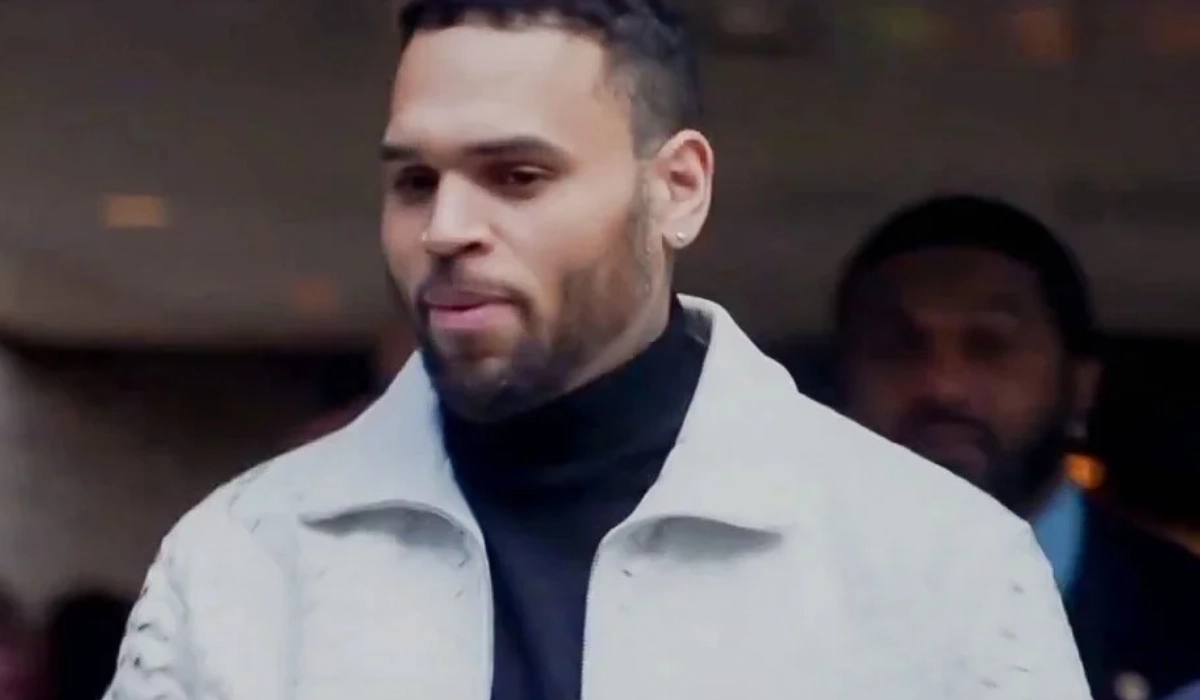
LONDON (The Londoner News) October 26, 2026 — Grammy Award-winning American R&B singer Chris Brown has arrived at Southwark Crown Court in London to receive his sentence following a violent altercation at an upscale nightclub three years ago. The 37-year-old performer entered a guilty plea to a charge of affray in July after admitting his involvement in an attack on music producer Abraham Diaw at the Tape nightclub in Mayfair. His friend and vocal coach, Omololu Akinlolu, also faces sentencing after pleading guilty to the same charge. The offense carries a maximum statutory penalty of three years’ imprisonment under English law.
What Led to Chris Brown’s Legal Proceedings at Southwark Crown Court?
As reported by journalists at The Associated Press and Reuters, the legal proceedings stem from a violent physical altercation that occurred in February 2023 inside the Tape nightclub, located in London’s swanky Mayfair district. During the incident, American music star Chris Brown engaged in a violent brawl during which he struck music producer Abraham Diaw over the head with a bottle.
According to reports published by the Crown Prosecution Service and details outlined by legal correspondents, the confrontation took place inside a crowded venue and was fully captured on the nightclub’s internal surveillance cameras. While Brown initially denied attacking Diaw with a bottle, prosecutors presented closed-circuit television (CCTV) footage that recorded the entire brawl.
As reported by Sam Tobin of Reuters, Brown initially faced multiple severe criminal charges, including attempting to cause grievous bodily harm, assault causing actual bodily harm, and possession of an offensive weapon—specifically a tequila bottle. However, following formal legal negotiations in July 2026 at London’s Southwark Crown Court, prosecutors formally withdrew the more severe charges in exchange for Brown entering a guilty plea to a single count of affray.
Alongside the R&B artist, his associate and vocal coach, 40-year-old Omololu Akinlolu, also pleaded guilty to the count of affray for his active participation in the Mayfair establishment brawl. As noted by the Crown Prosecution Service in statements distributed to media outlets, British legal authorities reiterated that violent acts in public venues are subject to rigorous prosecution, stating that no individual remains above the law regardless of celebrity stature.
How Did Chris Brown’s Arrest and Bail Conditions Unfold?
As reported by news correspondents at the Associated Press, Chris Brown immediately departed the United Kingdom following the February 2023 nightclub brawl, remaining outside British jurisdiction for over two years. The singer was subsequently arrested in May 2025 by British law enforcement officers at a luxury five-star hotel in Manchester after arriving via private jet for a scheduled UK concert performance.
Following his Manchester arrest, Brown was initially remanded in custody for nearly a week, a development that temporarily placed his international “Breezy Bowl XX” concert tour in jeopardy. However, as reported by the Agence France-Presse and local media outlets, London judicial authorities granted the singer conditional bail after he posted a substantial security bond of £5 million ($6.7 million).
The conditions of the multi-million-pound bail agreement required Brown to surrender his passport to local authorities upon entering individual international jurisdictions while permitting him to travel throughout Europe and North America to complete his summer concert series. On Friday prior to the scheduled sentencing, Brown was formally freed on continuing bail by the presiding magistrate, setting up his required personal court appearance on Monday, October 26, 2026. Under British penal codes, the single charge of affray carries a maximum penalty of three years’ imprisonment, though the court retains judicial discretion to enforce suspended sentences or community service mandates.
Background of the Development
Chris Brown first achieved global fame as a teenage R&B prodigy in 2005, releasing hit singles that topped international music charts. Over a career spanning more than two decades, he has secured two Grammy Awards: his first for Best R&B Album in 2011 for “F.A.M.E.”, and his second in the same category in 2025 for “11:11 (Deluxe)”.
Despite his sustained commercial success and musical accolades, Brown’s professional career has been repeatedly overshadowed by legal troubles and violent altercations. His primary entry into the criminal justice system occurred in 2009 following a felony conviction for physically assaulting his then-girlfriend, pop singer Rihanna, inside a vehicle hours before the two were scheduled to perform at the annual Grammy Awards ceremony.
In the years following his 2009 conviction, Brown faced multiple arrests and law enforcement investigations across several U.S. jurisdictions relating to physical altercations, misdemeanor assaults, and probation violations. In 2019, French authorities arrested and questioned Brown in Paris on suspicion of aggravated rape and drug offenses; he was subsequently released without formal charges being filed by French prosecutors. The current sentencing in London represents the latest legal milestone in the artist’s lengthy history of judicial encounters across international boundaries.
How This Development Can Affect the Particular Audience
The judicial outcome of Chris Brown’s sentencing at Southwark Crown Court carries direct implications for several primary audience groups, including his global fanbase, international tour promoters, the commercial live music sector, and legal observers tracking high-profile celebrity jurisprudence.
Impact on Fanbase and Live Performance Schedules
For Brown’s extensive global fanbase and concert attendees, the imposition of a custodial prison sentence would lead to the immediate cancellation or indefinite postponement of upcoming international tour dates, festival appearances, and studio recordings. If the presiding judge imposes an active custodial sentence of up to three years, concert organizers and ticketing platforms would be forced to process massive ticket refunds, impacting thousands of consumers worldwide. Conversely, if the court grants a suspended sentence or non-custodial financial penalty, Brown would be permitted to resume international travel, albeit under heightened visa restrictions.
Financial and Operational Implications for Promoters
For venue operators, corporate sponsors, and live entertainment promoters, an active prison sentence would inflict substantial financial losses. Insurance underwriters and performance venues in regions across Europe, North America, and Asia would face contract breaches, venue scheduling disruptions, and complex insurance claims regarding pre-allocated event logistics. Furthermore, corporate sponsors may reassess endorsement deals due to corporate liability and brand safety concerns associated with a formal violent crime conviction in the UK.
Precedent for Foreign Entertainers and International Legal Frameworks
From a legal perspective, the outcome establishes a precedent regarding how the UK judicial system manages high-profile foreign celebrities charged with violent public offenses. A custodial sentence would signal a strict, uncompromising stance by the Crown Prosecution Service regarding venue safety and violent conduct, reinforcing public confidence in legal accountability. Conversely, a non-custodial or suspended sentence may prompt public debate regarding the perceived leniency afforded to international figures who post significant financial bail bonds.