Key Points
- Public Pivot: Reform UK leader and Member of Parliament for Clacton, Nigel Farage, has publicly declared that the far-right is becoming a “cause for concern” both in the United Kingdom and internationally.
- Critique of US Commentators: Farage expressed astonishment at remarks from prominent conservative American commentators, specifically mentioning former Fox News host Tucker Carlson, for questioning the necessity of fighting Adolf Hitler and Nazi Germany during World War II.
- Friendship Distance: Despite historically viewing Carlson as a personal friend and maintaining close links with right-wing political figures globally, Farage condemned the emergence of pro-Nazi narratives and historical revisionism among high-profile conservative voices.
- Remembrance Day Framing: Speaking ahead of national Remembrance services, the 61-year-old politician emphasized that remembering the sacrifices of previous generations is vital to defending liberty and free speech against both the extreme left and far-right extremism.
- Political Reactions: Critics and political commentators have described Farage’s sudden opposition to far-right rhetoric as paradoxical, given his long career as a prominent anti-immigration campaigner and figurehead for British populism.
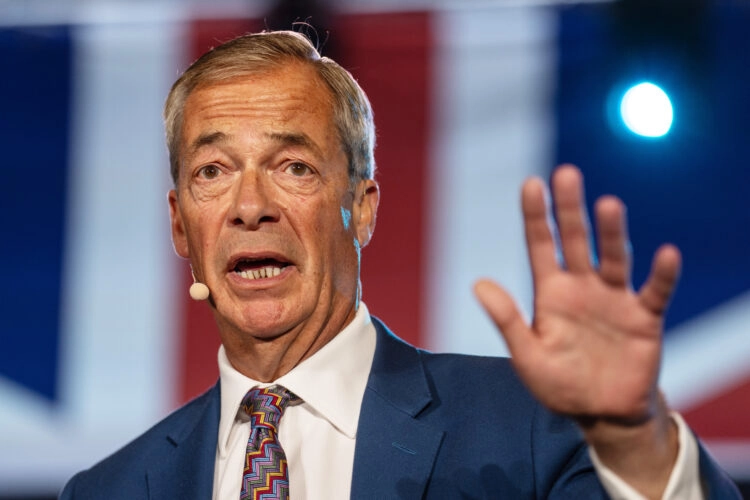
London (The Londoner News) November 7, 2026 – Reform UK leader Nigel Farage has explicitly distanced himself from emerging far-right trends, warning that growing sympathy for Nazi historical revisionism among high-profile conservative figures in the United States and the United Kingdom represents a genuine cause for public concern. Speaking to The Telegraph over the weekend, the Clacton MP expressed shock at recent commentary by right-wing media personalities—including long-time ally Tucker Carlson—who questioned the Allied forces’ decision to oppose Adolf Hitler in the Second World War. The statements mark an unprecedented public intervention by Farage, who has spent decades leading anti-establishment and populist campaigns across Britain, as he seeks to draw a clear line between his political platform and overt neo-fascist narratives gaining traction on international digital platforms.
- What Did Nigel Farage Say Regarding Tucker Carlson and Historical Revisionism?
- How Have Critics and Political Analysts Reacted to Farage’s Anti-Far-Right Warning?
- Why Is the Debate Around World War II History Division Impacting Right-Wing Politics?
- Background of the Particular Development After the News
- How This Development Can Affect Transatlantic Political Alliances, Reform UK Strategy, and Right-Wing Media
What Did Nigel Farage Say Regarding Tucker Carlson and Historical Revisionism?
As reported by political correspondents at The Telegraph and detailed by political commentators at The London Economic, Nigel Farage raised alarm over recent podcasts and public commentary originating from conservative media circles in the United States.
Specifically targeting remarks made by American broadcaster Tucker Carlson, Farage expressed surprise that established figures on the political right were openly entertaining revisionist historical theories regarding World War II.
As reported by The Telegraph, Nigel Farage stated: “Some people now – particularly this group of quite intelligent, conservative American commentators – question if we should have fought against Hitler as all. Tucker Carlson is someone I’ve always regarded as a friend, but I was astonished by his recent remarks”.
Farage went on to frame his opposition to these emerging narratives around national Remembrance observances, arguing that honoring fallen service personnel is crucial for defending democratic freedoms.
As reported by The Telegraph, Farage added: “We know about the extreme left, but I’m also worried about the far-right, both here and in America. That’s an even more pertinent and important reason why we come out to remember what those before us did, so that we could enjoy liberty and free speech”.
How Have Critics and Political Analysts Reacted to Farage’s Anti-Far-Right Warning?
As reported by political editor Jack Peat of The London Economic, Farage’s public warning about far-right rhetoric has drawn intense skepticism from political opponents and media analysts.
Critics highlight that throughout his political career—spanning his leadership of the UK Independence Party (UKIP), the Brexit Party, and currently Reform UK—Farage has routinely faced scrutiny over his anti-immigration messaging, his populist rhetoric, and his personal associations with controversial right-wing international figures.
Over several decades, Farage has maintained close public ties with former US President Donald Trump, Argentine President Javier Milei, French National Rally leader Marine Le Pen, and tech billionaire Elon Musk. Furthermore, during his school days at Dulwich College in the 1980s, Farage faced accusations from former classmates regarding racist and anti-Semitic remarks—claims that Farage has consistently denied, attributing them to youthful provocation and political smears by opponents.
Analysts at The London Economic noted that Farage’s current attempt to distance himself from the “far-right” tag appears to be a calculated response to a changing political climate. By condemning explicit sympathizers of Nazism and historical revisionists, Farage aims to insulate Reform UK from being grouped with fringe extremist movements while protecting his party’s expanding mainstream electoral appeal in the UK Parliament.
Why Is the Debate Around World War II History Division Impacting Right-Wing Politics?
As observed by political reporters across UK media outlets, the public rift between Farage and American commentators like Carlson exposes broader ideological fractures within global conservative movements.
Over the past year, several high-profile digital commentators in the US have hosted controversial figures who questioned Winston Churchill’s wartime leadership and suggested that the Allied conflict against Nazi Germany was counterproductive to Western civilization.
In Great Britain, where national identity and public sentiment remain deeply anchored in the historical memory of standing against Nazi aggression during the Second World War, attempts to rehabilitate or excuse Nazi Germany face near-universal condemnation across the political spectrum. For British right-wing politicians, defending the moral clarity of World War II is considered essential for retaining mainstream electoral viability.
Farage’s public rejection of Carlson’s platform reflects an operational boundary: while populist British figures willingly embrace anti-immigration platforms, sovereignty arguments, and anti-establishment economic policies, open flirtation with fascist sympathizers is viewed as politically damaging and unacceptable to the British electorate.
Background of the Particular Development After the News
The friction between mainstream British populism and extreme internet-based right-wing platforms has intensified rapidly over recent years. Following the election of several Reform UK Members of Parliament—including Nigel Farage in Clacton—the party has faced heightened scrutiny regarding its candidates, supporters, and international ties.
Simultaneously, the landscape of conservative commentary in North America has shifted heavily toward alternative digital media channels, where uncensored, multi-hour podcasts frequently feature fringe historians and revisionist theorists. When prominent commentators like Tucker Carlson hosted guests offering sympathetic re-examinations of 1930s European history, it sparked immediate outrage across European political institutions. In the UK, senior figures across both the Conservative Party and Reform UK were forced to address whether American political allies were crossing established moral boundaries regarding World War II heritage and antisemitism.
How This Development Can Affect Transatlantic Political Alliances, Reform UK Strategy, and Right-Wing Media
Nigel Farage’s deliberate decision to denounce far-right revisionism will generate structural impacts for transatlantic political networks, domestic electoral strategy, and digital media dynamics.
Impact on Transatlantic Right-Wing Alliances
Farage’s public rebuke of Tucker Carlson signals a growing divergence between mainstream British populists and radical American media influencers. While US digital platforms increasingly host extreme ideological debate without regulatory oversight, UK politicians operating within a parliamentary system must conform to strict domestic cultural boundaries. Consequently, formal collaborations between British right-wing MPs and radical US podcasters may cool, leading to a more cautious approach when accepting interviews or hosting joint events with North American media figures.
Impact on Reform UK’s Mainstream Positioning and Candidate Vetting
For Reform UK and its voter base, Farage’s statements represent an aggressive effort to professionalize the party’s image ahead of future local and national elections. By drawing a firm line against far-right extremism and World War II revisionism, Farage seeks to strip opponents of their primary line of attack against his party. Moving forward, Reform UK is expected to implement stricter vetting procedures for candidates and activists, explicitly disqualifying individuals associated with fringe neo-fascist or antisemitic movements to safeguard the party’s parliamentary standing.
Impact on Media Debates and Public Perception of British Populism
For the broader British electorate, Farage’s intervention will fuel ongoing debate over the boundaries of acceptable political discourse. While his supporters will view his statements as evidence of a principled, patriotic stance rooted in traditional British history, political opponents will continue to scrutinize his platform for subtle populist messaging. Nevertheless, the public intervention ensures that defense of Britain’s World War II legacy remains a non-negotiable threshold for any political group seeking power within the United Kingdom.