Key Points:
- No Fixed Timetable: The Labour Government has declined to set a concrete timetable for reducing Britain’s record welfare bill during the current Parliament, despite escalating fiscal pressure.
- Escalating Spending Trajectory: Official economic forecasts project annual UK welfare spending to swell from £333 billion today to £431 billion by 2031–32—an increase of nearly £100 billion.
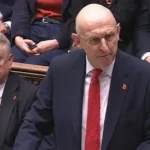
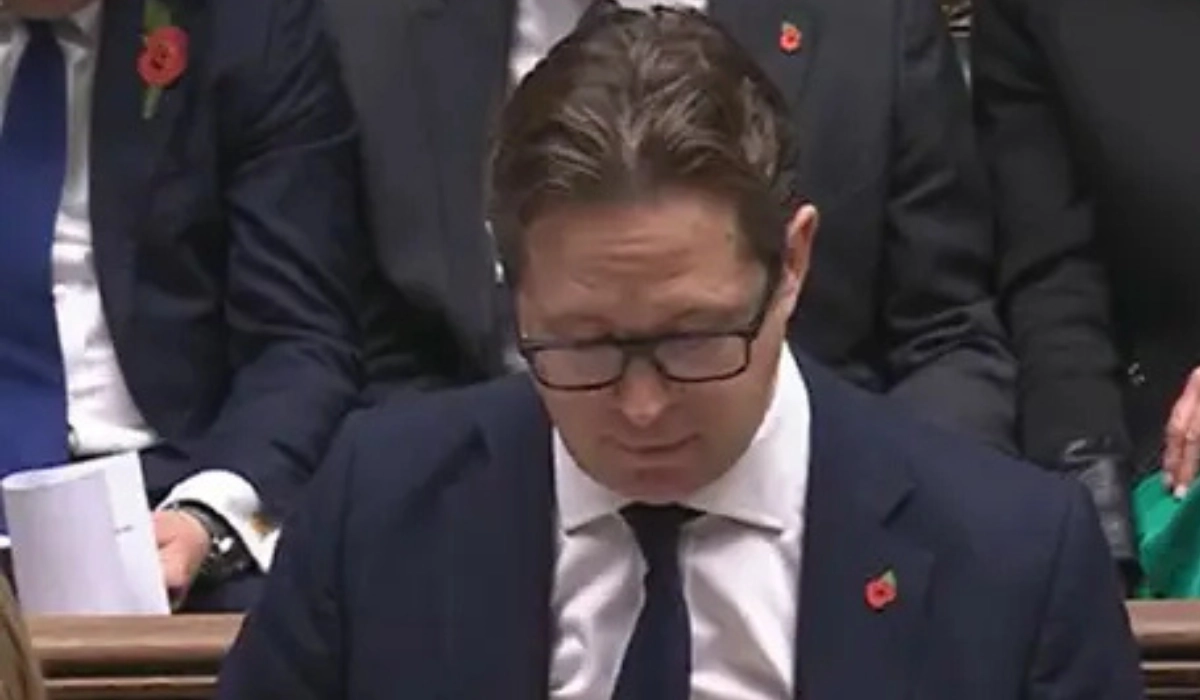
- Clash at Deputy Prime Minister’s Questions: Conservative Deputy Leader Alex Burghart confronted First Secretary of State Louise Haigh, accusing the administration of avoiding tough choices through an approach of “more tax, more welfare and more borrowing”.
- Ministerial Defense: First Secretary of State Louise Haigh defended the Government’s record, stating that steps are already being taken to tackle welfare costs while highlighting Labour’s interventions on energy bills, business rates, and bus fares.
- Fiscal Dilemma: The lack of a firm reduction date follows admissions from Chancellor John Healey that the administration has not promised a total bill reduction within this Parliament, creating friction between fiscal discipline and public support commitments.
London (The Londoner News) November 4, 2026 – The UK Government faces expanding political and economic scrutiny following its refusal to commit to a firm timetable for reducing Britain’s record welfare bill during the current Parliament. As reported by political correspondents across Westminster including LondonLovesBusiness and regional political trade desks, First Secretary of State Louise Haigh defended the administration’s strategy during a heated exchange at Deputy Prime Minister’s Questions. The exchange followed warnings from financial analysts pointing to official projections that forecast annual benefits expenditure rising from £333 billion today to a record £431 billion by 2031–32. Conservative Deputy Leader Alex Burghart challenged the Government over its long-term spending plans, asserting that benefits expenditure now outpaces total revenue raised from income tax and exceeds major budgets for defense, education, and policing. The parliamentary clash underlines mounting pressure on HM Treasury as ministers seek to balance structural welfare reforms against public service investment requirements.
- Key Points:
- What occurred during Deputy Prime Minister’s Questions regarding the welfare bill?
- What statements has Chancellor John Healey made regarding welfare targets?
- What is the economic scale of Britain’s expanding benefits expenditure?
- Background of Post-Pandemic Welfare Trajectories and Fiscal Reforms
- Fiscal Policy, Parliamentary Debate, and Household Support
What occurred during Deputy Prime Minister’s Questions regarding the welfare bill?
As reported by parliamentary reporters tracking the House of Commons proceedings, the confrontation centered on long-term fiscal planning and the absence of clear numerical targets for reducing benefits outlays.
Conservative Deputy Leader Alex Burghart challenged First Secretary of State Louise Haigh to outline explicit commitments to lower total outlays as part of the Government’s 10-year strategy.
In response to questions regarding whether Labour would commit to lowering what opposition members termed “the highest welfare bill ever,” First Secretary of State Louise Haigh stated:
“We are taking steps already to bring the welfare bill down, and we’ll take further. This Labour government is committed to tackling it all, and no matter what he brings, we are taking steps to deliver all of it.”
However, Burghart countered that official budget documentation published alongside government economic forecasts indicates that spending will continue to increase in every single year of the current Parliament.
Attacking the Government’s overall economic framework, Alex Burghart remarked:
“I am sure the right honourable lady was paying attention to the budget and the figures that were published. Welfare spending will go up every single year of this Parliament. If Labour doesn’t want to do the right thing, why doesn’t it get out of the way?”
Burghart accused the administration of pursuing a policy of “more tax, more welfare and more borrowing,” asserting that ministers understood the necessary structural adjustments but lacked the political resolve to implement them.
Rebutting the criticism, Haigh highlighted broader government interventions aimed at assisting households, including energy bill relief, business rate adjustments, and caps on public transport fares. Haigh directed political focus toward the legacy of the previous administration, stating:
“The only Government that has had more of an impact in a shorter space of time was the one he served in under Liz Truss.”
What statements has Chancellor John Healey made regarding welfare targets?
As reported by national political editors covering HM Treasury, the parliamentary debate follows earlier admissions from Chancellor John Healey regarding the administration’s long-term spending trajectory.
In post-Budget broadcasts and financial briefings, Chancellor John Healey confirmed that the administration has refrained from setting a definitive deadline for shrinking the overall benefits bill before the next general election.
Clarifying the Treasury’s position, Chancellor John Healey stated:
“It’s not correct to say that we’re going to bring this welfare bill down in this Parliament because we’ve not set a timetable for that. There will be a reduction in the benefits bill. We’ll do that in a Labour way and we will do that because it is simply not good for Britain or progress to have a bigger and bigger benefits bill.”
Healey emphasized that while the Government intends to introduce reform programs—such as expanding youth employment support, rebalancing Universal Credit assessments, and reforming health-related benefits—it rejects “crude cuts” that could exacerbate poverty rates.
According to economic data published by the Office for Budget Responsibility (OBR), statutory welfare expenditure is projected to expand by nearly £100 billion over the coming six-year window, driven primarily by rising health, disability, and age-related support claims.
What is the economic scale of Britain’s expanding benefits expenditure?
As reported by financial analysts for independent think tanks including the Institute for Fiscal Studies (IFS) and the Resolution Foundation, the scale of UK welfare outlays poses structural challenges for public finance management.
Financial metrics highlight key dimensions of the current expenditure curve:
- Overall Forecast Growth: Annual benefits spending is projected to rise from £333 billion in the current fiscal cycle to £431 billion by 2031–32.
- Income Tax Comparison: Current welfare outlays (£333 billion) slightly exceed total annual receipts collected via UK personal Income Tax (approximately £331 billion).
- Disability and Health Drivers: Long-term incapacity and disability claims represent the fastest-growing sub-category of non-pension benefits, with health-related benefit outlays forecast to top £100 billion annually before the end of the decade.
- Comparative Budget Scale: Total benefits spending currently surpasses government annual budget allocations for primary defense, national education networks, and Home Office policing combined.
Economists note that because state borrowing costs and debt interest obligations remain elevated, continuous expansion in statutory entitlements leaves diminished room within fiscal rules for infrastructure investment or tax reductions.
Background of Post-Pandemic Welfare Trajectories and Fiscal Reforms
The ongoing parliamentary friction over welfare spending originates in structural shifts that accelerated across the UK labor market following the COVID-19 pandemic and subsequent inflationary shocks. Between 2020 and 2025, the number of working-age individuals claiming health-related benefits or economic inactivity allowances expanded significantly, driving up outlays under Universal Credit and Personal Independence Payments (PIP).
Previous Conservative administrations attempted to institute tightening measures through proposed adjustments to work capability assessments and stricter eligibility criteria for sickness benefits. However, implementation delays, legal challenges, and parliamentary backbench opposition limited overall expenditure reductions. Upon assuming office, the Labour administration pledged to overhaul job centers, reform health assessments to encourage return-to-work pathways, and tackle youth unemployment through targeted skill programs. Nevertheless, because structural welfare reforms typically require several years to yield measurable fiscal savings, overall expenditure numbers have continued on an upward trajectory, creating ongoing political friction regarding statutory budget management.
Fiscal Policy, Parliamentary Debate, and Household Support
The absence of a fixed timetable for reducing overall benefits spending is predicted to influence upcoming legislative sessions, fiscal rule evaluations, and public sector budgeting through 2027 and beyond.
For HM Treasury and Cabinet ministers, the expanding welfare baseline is predicted to force difficult choices during upcoming Spending Reviews. With annual outlays projected to reach £431 billion by 2031–32, ministers will face narrowing fiscal headroom under established borrowing rules. To offset rising entitlement costs without expanding public debt, the Treasury is predicted to evaluate targeted adjustments to non-statutory departmental budgets or explore selective tax adjustments in future fiscal events.
For benefit claimants, low-income households, and advocacy groups, government strategy will likely remain focused on conditional employment programs rather than immediate across-the-board benefit reductions. However, as opposition parties increase parliamentary scrutiny over the total cost of state support, ministers are predicted to face growing political pressure to introduce stricter return-to-work criteria for working-age claimants and tighten administrative oversight on health-related claims to demonstrate measurable progress before the end of the Parliament.