
- Custodial Release and Court Warning: Oxford hacker Arion Kurtaj, 21, has been released on licence following court proceedings at Woolwich Crown Court, where the judge warned him: “Don’t let this happen again”.
- Rockstar Games and Lapsus$ Offences: Kurtaj hacked major companies and individuals—including Grand Theft Auto 6 maker Rockstar Games in September 2022, alongside earlier offences involving BT/EE, Revolut, and Uber linked to the Lapsus$ hacking group—after pleading guilty at Woolwich Crown Court.
- Hospital Order to Prison Transfer: Previously given an indefinite hospital order due to severe autism, Kurtaj was later assessed as fit to stand trial and transferred to a standard prison in January.
- Five-Year Serious Crime Prevention Order: The court imposed a five-year Serious Crime Prevention Order restricting Kurtaj’s online activity, including a ban on using Telegram and Discord.
- Hotel Hack, Leak Impact, and Custodial Offences: While on bail under police protection at a Travelodge in Bicester, Kurtaj breached Rockstar Games using an Amazon Fire Stick, hotel television, and Bluetooth keyboard and mouse, stealing 90 clips of unfinished GTA 6 footage (nearly 60 minutes of gameplay) and threatening to leak source code under the alias
TeaPotUberHacker—a breach Rockstar stated cost $5m (£3.8m) to recover from—while court hearings also covered Lapsus$ social engineering, cryptocurrency thefts, custodial assaults including biting, and an illicit prison mobile phone.
London (The Londoner News) November 23, 2026 – Oxford cyber offender Arion Kurtaj, 21, has been released on licence following proceedings at Woolwich Crown Court, where Mr Justice Turner warned him: “Don’t let this happen again.” Kurtaj carried out high-profile breaches against Grand Theft Auto 6 developer Rockstar Games as well as Revolut, Uber, and BT/EE, having previously been placed under an indefinite secure hospital order due to severe autism before being deemed fit to stand trial and moved to prison in January. Alongside his release on licence, he faces a five-year Serious Crime Prevention Order barring him from platforms such as Telegram and Discord. The case involved a hotel-room breach of Rockstar Games that cost the studio $5m (£3.8m) in recovery expenses and exposed confidential GTA 6 material.
- How Did Arion Kurtaj Move From a Secure Hospital Order to Release on Licence?
- How Was the Rockstar Games Hack Carried Out and What Damage Did It Cause?
- What Remarks Were Made in Court and What Else Emerged About Kurtaj’s Offending?
- How Do the Key Figures and Offences in the Case Compare?
- Background of the Particular Development After the News
- How This Development Can Affect Young Offenders, Tech Companies, and Cyber Policing
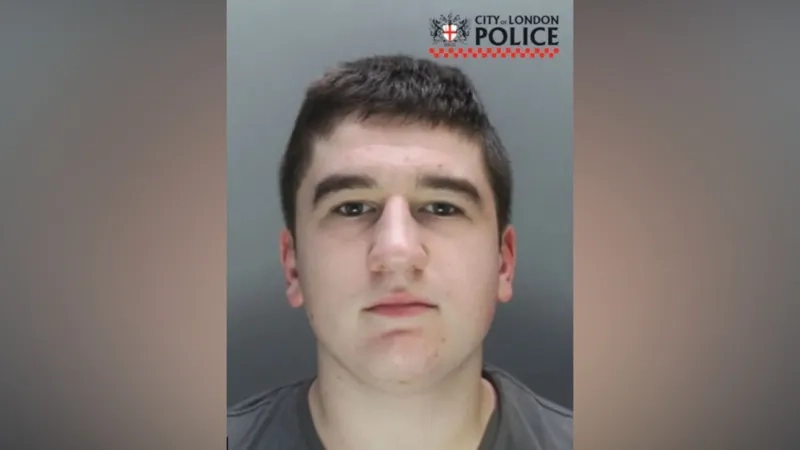
As reported by BBC News and Oxford Mail court reporters, cyber offender Arion Kurtaj, from Oxford, has been released on licence after serving the majority of a seven-year sentence, with the judge warning him: “Don’t let this happen again.”
The now 21-year-old hacked several companies and individuals, including GTA 6 maker Rockstar Games, whom he attempted to extort after stealing clips of the unfinished game in September 2022.
Kurtaj had pleaded guilty at Woolwich Crown Court to the Rockstar hack and a handful of other offences committed when he was 16 and 17 years old alongside the hacking group Lapsus$.
How Did Arion Kurtaj Move From a Secure Hospital Order to Release on Licence?
According to court reporting from BBC News and Crown Prosecution Service (CPS) records, Kurtaj’s legal trajectory involved unusual medical and judicial developments:
- Initial Indefinite Hospital Order: Kurtaj was originally ordered held indefinitely in a secure hospital due to the severity of his autism spectrum disorder (ASD).
- Fitness Assessment and Prison Transfer: In an unusual development, psychiatric assessments later found him fit to stand trial, leading to his transfer from a secure hospital to a standard prison in January.
- Sentencing, Release, and Online Restrictions: Kurtaj has now been sentenced and released on licence on the same day after serving the majority of a seven-year sentence, and he has been made subject to a five-year Serious Crime Prevention Order that restricts his online activity, including barring him from using Telegram and Discord.
- Police Response: As reported by the City of London Police, the force said the case “highlights the dangers that young people can end up being drawn to online.”
How Was the Rockstar Games Hack Carried Out and What Damage Did It Cause?
Court accounts and disclosures by Rockstar Games detailed how the September 2022 breach occurred while Kurtaj was already subject to bail conditions:
- Hacking From a Bicester Travelodge: Kurtaj breached Rockstar Games, Revolut, and Uber while on bail and staying under police protection at a Travelodge in Bicester, where he had been placed for protection from rival hackers who threatened to target him over stolen stashes of Bitcoin.
- Improvised Hotel Hardware: With his computer confiscated, Kurtaj compromised Rockstar’s systems using an Amazon Fire Stick connected to his hotel room television alongside a Bluetooth keyboard and mouse.
- Stolen Footage and Source Code Ultimatum: He extracted internal company data, including 90 clips showing nearly 60 minutes of gameplay from the unfinished Grand Theft Auto 6—which had been kept under tight secrecy prior to its release—before breaking into Rockstar’s internal Slack messaging system to post: “If Rockstar does not contact me on Telegram within 24 hours I will start releasing the source code.”
- Public Leak Under Alias: Because the company refused to comply with his extortion demand, Kurtaj posted the gameplay clips and source code online under the username
TeaPotUberHacker. - Recovery Cost and Marketing Impact: Rockstar Games stated that recovering from the breach cost the company $5m (£3.8m) in addition to thousands of hours of staff time, and noted that the leak revealed for the first time that one of the playable characters in GTA 6 was a woman—a detail it had been closely guarding for marketing purposes.
What Remarks Were Made in Court and What Else Emerged About Kurtaj’s Offending?
Reporting from inside Woolwich Crown Court and CPS case summaries documented both Kurtaj’s demeanour and the wider scope of his offending:
- Judge’s Warning and Courtroom Appearance: When sentenced, Kurtaj stood and smiled, wearing a suit and a buttoned-up white shirt without a tie, with short hair and an unkempt beard, and blinked frequently during the hearing. Presiding judge Mr Justice Turner told him: “You are a very talented young man,” before warning him: “Don’t let this happen again.”
- Assessment of Background and Isolation: Accounts presented in connection with the case noted that the restricted and repetitive patterns of behaviour and interests characteristic of ASD led Kurtaj to become preoccupied with the online world, where he felt better able to function and exist. Those accounts stated he was exposed to individuals who showed him how to cheat in video games and subsequently to people involved in hacking, and that during the pandemic he was very isolated while his connection to Lapsus$ gave him a sense of community and self-worth that had previously been absent.
- Lapsus$ Social Engineering and Financial Losses: Kurtaj and Lapsus$’s other intrusions—targeting BT/EE, Revolut, and Uber—relied on social engineering techniques to trick targets into clicking malicious links or disclosing sensitive credentials. Previously, the court heard that during the Uber hack he posted a lewd image of a penis while attempting to force a ransom payment. Across the corporate breaches, damage was estimated at roughly £10m, while using stolen corporate data to target cryptocurrency investors saw prosecutors argue the gang stole at least $300,000 (£230,000) from individual victims.
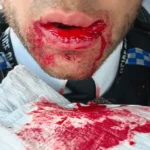
- Custodial Assaults and Illicit Mobile Phone: Kurtaj also pleaded guilty to physical assaults on workers while in custody, including multiple biting incidents, and in prison was caught with a mobile phone after sending a taunting text message to police and posting updates on Snapchat.
How Do the Key Figures and Offences in the Case Compare?
A structured summary outlines the core facts, financial impacts, and court measures recorded in the proceedings:
| Case Element | Reported Detail / Figure | Context & Legal Status |
| Defendant & Age | Arion Kurtaj, 21, from Oxford | Released on licence following Woolwich Crown Court proceedings; five-year Serious Crime Prevention Order. |
| Rockstar Games Breach | September 2022; 90 clips (~60 mins GTA 6 gameplay) + source code | Carried out from a Bicester Travelodge using Fire Stick, TV, and Bluetooth peripherals; alias TeaPotUberHacker. |
| Reported Financial Impact | $5m (£3.8m) Rockstar recovery cost; ~£10m total corporate damage; ≥$300,000 (£230,000) crypto theft | Includes thousands of staff hours at Rockstar plus data/account disruption at Uber and Revolut. |
| Additional Offences | Hacks on BT/EE, Revolut, and Uber; custodial assaults (biting); prison mobile phone | Included sending a taunting message to police and posting on Snapchat while in custody. |
Background of the Particular Development After the News
The Lapsus$ cybercrime group emerged around 2021 as an informal, high-profile collective of young threat actors—primarily teenagers in the United Kingdom and Brazil—who targeted major technology, telecommunications, gaming, and financial firms through social engineering, SIM-swapping, and extortion rather than complex bespoke malware. Because several members were juveniles or young adults with neurodevelopmental conditions, prosecutions involving the group have raised complex questions across England and Wales regarding criminal responsibility, fitness to plead, secure psychiatric care, and post-release monitoring.
Under UK law, a Serious Crime Prevention Order (SCPO) is a civil preventative order imposed by a court following serious offences, enabling law enforcement to place strict, enforceable conditions on an offender’s communications, devices, and online accounts for up to five years, with breaches carrying severe criminal penalties. In high-value intellectual property cases such as Grand Theft Auto 6, premature leaks of unannounced mechanics, characters, and source code can disrupt carefully timed marketing campaigns and force costly incident-response and security overhauls across global development teams.
How This Development Can Affect Young Offenders, Tech Companies, and Cyber Policing
Kurtaj’s release on licence alongside a five-year Serious Crime Prevention Order carries practical implications for young people online, technology firms, and law enforcement agencies:
1. Stricter Digital Monitoring and Enforcement Against Repeat Cyber Offenders
For UK police forces and probation services supervising released cyber offenders, five-year Serious Crime Prevention Orders barring platforms such as Telegram and Discord establish clear boundaries intended to prevent reoffending through encrypted messaging channels or online hacking forums, though enforcement will rely on close monitoring of device and network compliance.
2. Continued Focus on Social Engineering and Insider/Contractor Security for Tech Firms
For game studios, fintech companies, and telecommunications providers, the methods used against Rockstar Games, Uber, Revolut, and BT/EE underscore that attackers can exploit human social engineering and improvised access even when corporate defences appear robust, keeping identity verification, phishing resistance, and incident-response readiness central to corporate security budgets.
3. Ongoing Attention to Youth Online Radicalisation and Neurodiversity Support
For parents, educators, mental health professionals, and youth safeguarding bodies, the case highlights how prolonged isolation and unsupervised online spaces can draw vulnerable or neurodivergent young people into illicit digital communities, reinforcing demand for early intervention and structured offline support.