
- Wholesale Nationalisation Ruled Out: First Secretary of State Louise Haigh confirmed to business leaders at the Confederation of British Industry (CBI) annual conference on Monday, 23 November 2026, that Prime Minister Andy Burnham’s upcoming 10-year infrastructure plan does not pursue “full-fat nationalisation” of England’s water sector.
- Commitment to Private Sector Partnerships: Haigh stated that the government intends to work alongside private water operators committed to serving customers and protecting the environment, describing the approach as a public-private partnership built on clear rules and a fair return on investment.
- Water Sector Reform and Regulatory Review: Ministers confirmed plans to implement recommendations from Sir Jon Cunliffe’s independent review of the water industry while reviewing arms-length regulators—including Ofwat, the Environment Agency, Natural England, and the Drinking Water Inspectorate—to consider devolution, abolition, or absorption into Whitehall departments.
- Business and Opposition Reaction: CBI chief executive Rain Newton-Smith urged ministers to guarantee ongoing roles for private companies in major infrastructure projects to protect investor confidence, while Shadow Chancellor Andrew Griffith criticised the government’s broader public control agenda as a “blank cheque” funded by taxes and borrowing.
- Industrial Investment Appointments: Alongside utility reforms, Haigh announced that Great British Energy chair Juergen Maier will serve as Northern Economy Reindustrialisation Commissioner at No10 North to leverage private capital.
London (The Londoner News) November 23, 2026 – The United Kingdom government has formally ruled out the wholesale nationalisation of England’s troubled water industry, opting instead for collaborative partnerships with well-performing private operators. Speaking at the annual conference of the Confederation of British Industry (CBI) in London on Monday, 23 November 2026, First Secretary of State Louise Haigh clarified that Prime Minister Andy Burnham’s forthcoming 10-year infrastructure strategy is “not about full-fat nationalisation”. While reiterating that the government’s push for stronger public control of essential utilities is pragmatic rather than ideological, Haigh announced a comprehensive review of regulatory bodies such as Ofwat and the Environment Agency alongside plans to implement the Cunliffe water sector review. Business leaders and opposition figures responded by pressing ministers for regulatory certainty and fiscal discipline.
- What Did Louise Haigh Say About Public Control and the Water Industry?
- Which Regulators and Public Bodies Are Facing Government Review?
- How Have Business Leaders and Opposition Politicians Responded?
- How Do the Key Policy Pillars and Stakeholder Positions Compare?
- Background of the Particular Development After the News
- How This Development Can Affect Water Companies, Institutional Investors, and British Households
As reported by Christopher McKeon of The Independent and political dispatches from The Mirror, the UK government stepped back from wholesale nationalisation of England’s struggling water industry on Monday, 23 November 2026, signalling instead its intention to partner with private companies that are performing well.
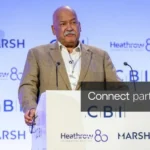
Addressing delegates at the annual conference of the Confederation of British Industry (CBI) in London, First Secretary of State Louise Haigh—who serves as Chancellor of the Duchy of Lancaster and Prime Minister Andy Burnham’s de facto deputy—sought to reassure business leaders regarding the administration’s utility policies. As reported by The Mirror and Christopher McKeon of The Independent, Louise Haigh stated: “It’s certainly not about full-fat nationalisation. It is about a public, private partnership. We will work with private operators who are committed to serving customers and the environment”.
What Did Louise Haigh Say About Public Control and the Water Industry?
Throughout her address to the CBI conference on 23 November 2026, Louise Haigh framed the government’s utility strategy around accountability, service delivery, and long-term capital investment rather than state ownership for its own sake:
- Pragmatic Approach to Ownership: Insisting that the government’s commitment to public control of essential services is “not ideological,” Haigh told conference delegates that state ownership is “not a requirement”. Drawing parallels with Greater Manchester’s bus franchising model and the creation of Great British Railways—where open-access private operators continue to operate alongside public control—she argued that public-private partnerships can address natural monopolies lacking genuine competition.
- Implementation of the Cunliffe Review: Confirming the roadmap for water reform, as reported by The Independent, Louise Haigh stated that the government will implement the recommendations of Sir Jon Cunliffe’s independent review of the water sector, adding: “It will be a long-term project to right the wrong turn, to make water boring again. But we will partner with those in the sector who are committed to see it through”.
- Criticism of Overseas Extraction and Past Governance: Haigh argued that existing arrangements for essential utilities have failed to deliver satisfactory outcomes for households, criticising overseas ownership structures that see financial returns flow to foreign governments through investments in domestic utility networks. Outlining Labour’s framework, she proposed a “new partnership with private capital built on clear rules, clear expectations and a fair return on investment”.
Which Regulators and Public Bodies Are Facing Government Review?
Alongside clarifying water ownership policy, Haigh announced a wide-ranging Whitehall review into arms-length regulatory bodies, commonly referred to as “quangos”:
- Review of Water and Environmental Regulators: Accusing previous governments of avoiding democratic accountability “by giving responsibility away from ministers to a sprawling web of regulators,” Haigh confirmed that work has already begun to examine potential structural changes to Ofwat, the Environment Agency, Natural England, and the Drinking Water Inspectorate.
- Devolution or Departmental Absorption: According to reporting by The Independent and City A.M., ministers are assessing whether these independent agencies should be dissolved, devolved to regional leaders, or brought directly under Whitehall departmental control. Addressing civil servants, Haigh stated: “We accept a higher level of risk, and the buck stops with us. Be bold, be fast, and make things happen”.
- Northern Industrial Investment Appointment: To underline the private sector’s central role in national infrastructure, Haigh announced that British-Austrian businessman Juergen Maier, chair of Great British Energy, will become the new Northern Economy Reindustrialisation Commissioner based at No10 North, tasked with “bringing his extensive expertise to link with business and leverage private capital”.
How Have Business Leaders and Opposition Politicians Responded?
The government’s announcements sparked immediate debate at the CBI conference among corporate executives and opposition spokespeople:
- CBI Call for Investor Certainty: CBI chief executive Rain Newton-Smith urged the Prime Minister to provide clear assurances that private enterprises will retain substantive opportunities to participate in major infrastructure projects, warning that policy ambiguity could undermine investor confidence. She also noted that businesses remain frustrated by a “financial straitjacket” of high taxes and low growth, arguing that firms cannot wait for “ten years of promises”.
- Conservative Opposition Critique: Shadow Chancellor Andrew Griffith criticised the government’s broader public control agenda as a “blank cheque to be paid for through taxes and borrowing,” questioning whether bringing utilities under greater state control would improve day-to-day services for consumers.
How Do the Key Policy Pillars and Stakeholder Positions Compare?
A structured summary outlines the core announcements made on 23 November 2026 alongside the positions of key political and industry figures:
| Policy Area / Stakeholder | Stated Position / Action (23 November 2026) | Key Institutional & Financial Implications |
| Water Sector Ownership (UK Government) | Rules out “full-fat nationalisation”; favours public-private partnerships with well-performing operators. | Implements Sir Jon Cunliffe’s water review recommendations under a 10-year infrastructure plan. |
| Regulatory Oversight (Whitehall Review) | Reviews arms-length bodies: Ofwat, Environment Agency, Natural England, Drinking Water Inspectorate. | Agencies could be devolved to regional mayors, abolished, or absorbed into government departments. |
| Private Capital & Growth (CBI) | Rain Newton-Smith welcomes clarity but warns against uncertainty and high tax burdens. | Stresses that private infrastructure investment depends on predictable rules and fair returns. |
| Opposition Stance (Conservative Party) | Shadow Chancellor Andrew Griffith criticises public control plans as a “blank cheque”. | Raises concerns over taxpayer exposure, public borrowing, and operational efficiency. |
Background of the Particular Development After the News
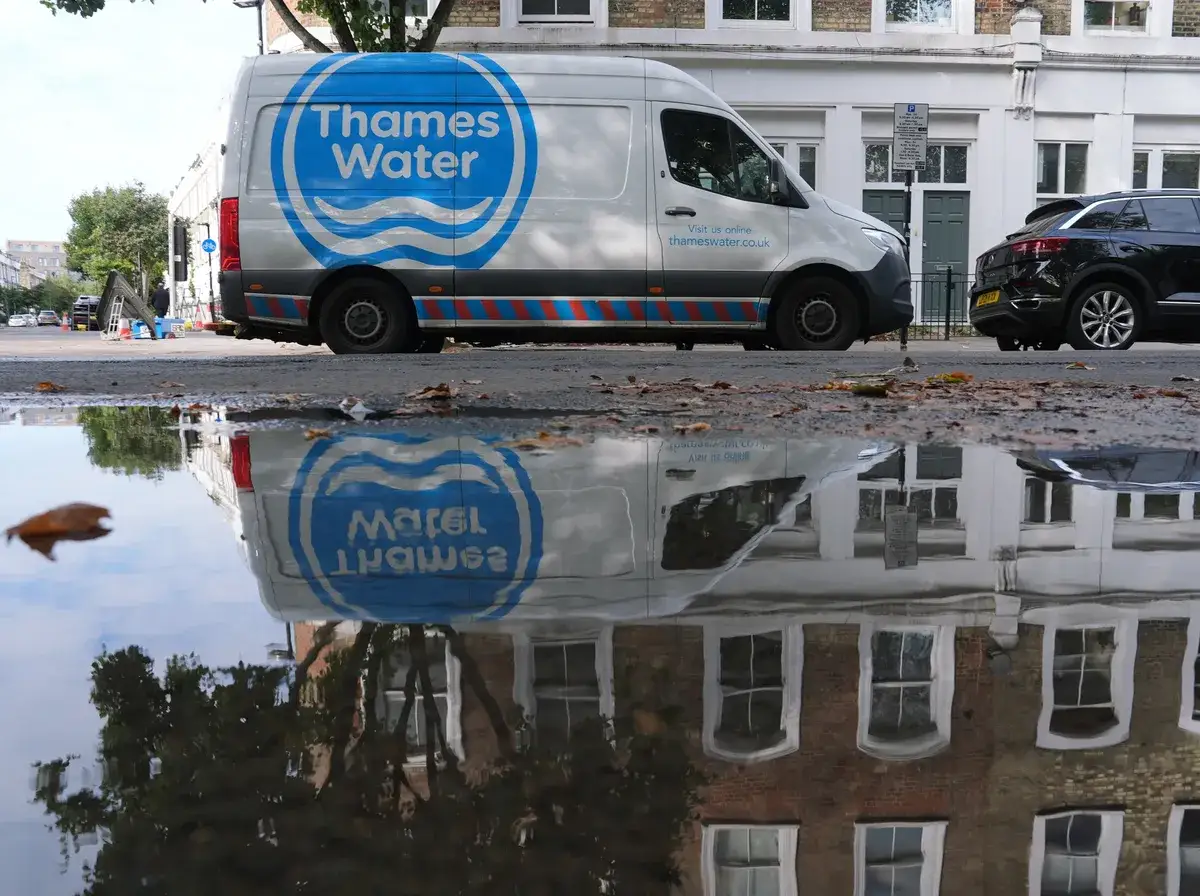
England and Wales remain the only jurisdictions globally with a fully privatised water and sewerage system, following the 1989 privatisation under Margaret Thatcher’s government. Over recent years, the sector has faced mounting public and political scrutiny over widespread sewage discharges into rivers and coastal waters, ageing pipe networks, rising household water bills, and high corporate debt levels—most notably at Thames Water, which has engaged in prolonged restructuring negotiations with creditors over its £20 billion debt pile.
While campaigners and segments of the labour movement have repeatedly called for full public ownership of water utilities, ministers have highlighted the substantial fiscal cost of buying out private shareholders and assuming tens of billions of pounds in sector liabilities. Ahead of the CBI conference, Prime Minister Andy Burnham—who previously championed public control of regional buses as Mayor of Greater Manchester—had pledged to unwind aspects of 1980s utility privatisation, prompting intense speculation among institutional investors over whether mandatory state buyouts were imminent.
How This Development Can Affect Water Companies, Institutional Investors, and British Households
The government’s decision to rule out wholesale nationalisation while overhauling regulatory oversight carries significant consequences across the UK utility landscape:
1. Reduced Expropriation Risk for Water Utilities and Infrastructure Funds
For private water operators, pension funds, and international bondholders, Haigh’s explicit rejection of “full-fat nationalisation” removes the immediate threat of forced state buyouts below market value, shifting corporate focus toward meeting stricter environmental and customer service benchmarks required to retain operating partnerships.
2. Major Structural Shake-Up for Environmental and Economic Regulators
For staff and leadership at Ofwat, the Environment Agency, Natural England, and the Drinking Water Inspectorate, the Whitehall quango review signals impending institutional restructuring—potentially consolidating regulatory accountability directly under government ministers and regional authorities.
3. Long-Term Focus on Bill Stability and Infrastructure Delivery for Consumers
For households across England, the government’s commitment to implementing the Cunliffe review and leveraging private capital aims to fund multi-billion-pound pipe and sewage upgrades without immediate taxpayer-funded buyouts, though consumer groups will closely monitor whether stricter rules translate into cleaner waterways and predictable water bills.