

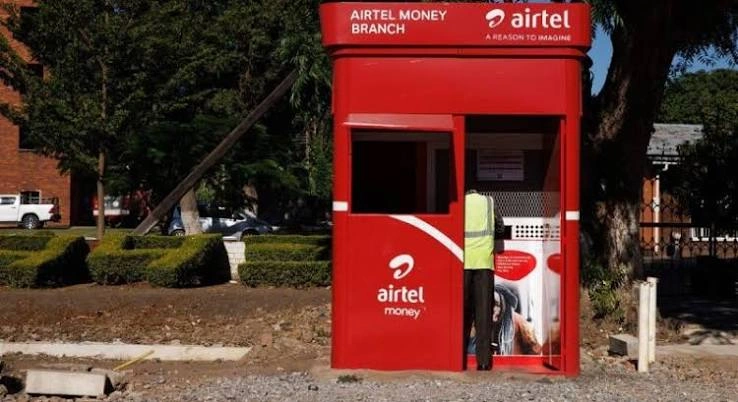
- Landmark £5.3 Billion ($7 Billion) Valuation: Airtel Money (Airtel Mobile Commerce N.V.), the mobile money subsidiary of FTSE 100 telecommunications group Airtel Africa, commenced trading on the London Stock Exchange on 9 October 2026 under the ticker
AMC.Lat an offer price of £1.96 per share. - Secondary Share Sale Structure: The initial public offering (IPO) comprised a secondary sale of 270 million existing shares—raising no new capital for the company itself—while majority owner Airtel Africa, which held a 77.85% stake prior to the float, retained a controlling interest as a long-term strategic shareholder.
- FTSE Index Eligibility and Strategic Rationale: Confirmed in July 2026 as Airtel Africa’s preferred listing venue to access an international investor base, the flotation establishes an independent public valuation and an expected free float of approximately 17.5%, qualifying Airtel Money for FTSE UK index inclusion.
- Pan-African Operational Scale: Founded in 2011, Airtel Money serves around 53 million monthly active users across 13 African countries via a network of more than 2.3 million agents, generating $1.346 billion in revenue for the financial year ended March 2026.
- Muted First-Day Share Performance: Despite strong institutional demand that left the offering several times oversubscribed, Airtel Money shares dipped slightly below the £1.96 offer price during their opening London session.
London (The Londoner News) October 9, 2026 – Airtel Money, the rapidly expanding mobile payments arm of FTSE 100 telecommunications group Airtel Africa, made its debut on the London Stock Exchange on Friday, 9 October 2026, in the British capital’s largest initial public offering in years. Priced at £1.96 per share under the ticker AMC.L, the flotation valued the pan-African fintech business at approximately £5.3 billion, or $7 billion. Structured entirely as a secondary sale of 270 million existing shares by minority holders, the transaction raised no fresh capital for the company while leaving parent firm Airtel Africa as the majority long-term shareholder. Although shares slipped marginally below the offer price during initial conditional trading, the listing provides a rare high-value boost to London’s equity market.
- What Is Inside the Airtel Money Share Offer?
- Why Did Airtel Africa Choose London for the Listing Now?
- What Is Airtel Money’s Business Model and Financial Scale?
- What Happened During Airtel Money’s Debut Trading Session?
- What Have Executives and UK Officials Said About the Listing?
- How Do the Key Figures of Airtel Money’s London IPO Compare?
- Background of the Particular Development After the News
- How This Development Can Affect London Capital Markets, African Fintechs, and Investors
As reported by Dealroom and financial journalists including Pablo Mayo Cerqueiro of Bloomberg and Daisy Hawker of FinTech Magazine, Airtel Money, the mobile money arm of FTSE 100 telecom Airtel Africa, listed on the London Stock Exchange on 9 October 2026, priced at £1.96 a share.
That offer price valued the mobile payments business at roughly £5.3 billion, or $7 billion. Trading officially began on the Main Market under the ticker symbol AMC.L, marking London’s largest stock market debut in years.
What Is Inside the Airtel Money Share Offer?
According to regulatory filings with the London Stock Exchange and market reports, the flotation was structured exclusively as a secondary sale of existing stock rather than a primary capital raise:
- 270 Million Existing Shares Sold: The IPO consisted of a secondary sale of 270 million existing shares by minority institutional investors, meaning no new capital was raised directly for Airtel Money’s balance sheet. Out of the 270 million shares placed in the offer, 8 million shares were allocated to UK retail investors through the Retail Offer.
- Airtel Africa Retains Majority Control: Parent company Airtel Africa, which held a 77.85% stake in Airtel Money prior to the float, did not sell shares in the main offering—participating only in the over-allotment option—and confirmed it retains a majority stake and will remain a long-term strategic shareholder.
- Institutional Syndicate: As reported by Pablo Mayo Cerqueiro of Bloomberg and Rick Steves of The Industry Spread, Citigroup acted as sole sponsor for the offering, alongside joint global coordinators Bank of America, Barclays, Goldman Sachs, and JPMorgan Chase. Cornerstone backing included a £67.2 million ($90 million) commitment from the International Finance Corporation (IFC), alongside existing minority stakeholders Mastercard and TPG’s The Rise Fund.
Why Did Airtel Africa Choose London for the Listing Now?
Airtel Africa confirmed London as its preferred listing venue in July 2026, citing the depth of the city’s international institutional investor pool and its familiarity with emerging-market infrastructure:
- Standalone Valuation and Global Capital Access: Separating the mobile payments unit onto the public market establishes an independent, transparent market valuation for the fast-growing fintech business and broadens its long-term access to global capital.
- FTSE UK Index Eligibility: With an expected free float of around 17.5% following admission, Airtel Money meets the liquidity criteria required for inclusion in FTSE UK stock indices.
- London’s Emerging-Market Expertise: Explaining why shareholders selected the British capital, as reported by Rick Steves of The Industry Spread citing The Guardian, Airtel Money group chief executive officer Ian Ferrao stated that the choice reflected “a deep understanding of emerging markets in the London market and Africa specifically”.
What Is Airtel Money’s Business Model and Financial Scale?
Launched in 2011, Airtel Money has grown into one of sub-Saharan Africa’s largest digital financial services platforms, operating in markets where traditional banking penetration remains limited:
- Customer and Agent Footprint: Airtel Money serves approximately 53 million monthly active users across 13 African countries, supported by an extensive physical distribution network of more than 2.3 million agents.
- Core Financial Services: Customers use their mobile phones to transfer money, pay utility and merchant bills, save, borrow, and purchase micro-insurance products, frequently operating without a conventional bank account.
- Strong Revenue and Profitability: For the financial year ended March 2026, Airtel Money reported $1.346 billion in revenue. According to IPO prospectus disclosures reported by Daisy Hawker of FinTech Magazine, the business processed $213 billion in total transaction value, achieved an EBITDA margin of roughly 50% with 40% compound annual EBITDA growth between 2018 and 2026, and operated with zero external debt.
What Happened During Airtel Money’s Debut Trading Session?
Despite robust pre-listing demand from institutional funds, first-day secondary trading proved cautious:
- Muted Opening Share Price: As reported by Pablo Mayo Cerqueiro of Bloomberg, Airtel Money shares initially rose as much as 2.1% above the £1.96 offer price before turning 0.6% lower in early London dealing, slipping slightly below the issue price despite the order book having been several times oversubscribed.
- Absence of New Growth Proceeds: Market analysts noted that because the transaction was structured solely as a secondary sell-down of existing shares by early backers, the listing generated no fresh cash proceeds for Airtel Money’s internal expansion.
What Have Executives and UK Officials Said About the Listing?
Company leadership and British government officials hailed the debut as a milestone for both African fintech and the London Stock Exchange:
- Statement from Airtel Money CEO Ian Ferrao: Marking the start of trading in London, as reported by Dealroom and London Stock Exchange official market notices, Airtel Money group chief executive officer Ian Ferrao stated: “Today marks an important milestone for Airtel Money as we join the London Stock Exchange and begin the next chapter of our growth”. In remarks reported by Daisy Hawker of FinTech Magazine from an interview with LBC, Ian Ferrao added: “This could potentially be one of the largest ever IPOs from an African company perspective”.
- Statement from UK Business Secretary Jonathan Reynolds: Welcoming the flotation to the Main Market in official London Stock Exchange announcements, UK Business Secretary Jonathan Reynolds stated: “This is yet another vote of confidence in our economy and the business environment we’ve created in the UK. This landmark IPO shows ambitious businesses continue to choose Britain to raise capital, access global investors and boost their growth. This latest win for the UK shows London remains one of the world’s leading financial centres, including for African-focused businesses, connecting companies with deep pools of capital and world-class investors”.
How Do the Key Figures of Airtel Money’s London IPO Compare?
A structured summary outlines the core transaction terms, valuation metrics, and operational figures behind Airtel Money’s October 2026 flotation:
| Metric / Deal Parameter | Reported Figure / Detail | Context & Significance |
| Listing Date & Venue | 9 October 2026 — London Stock Exchange (AMC.L) | Main Market conditional trading; largest London IPO in years. |
| Offer Price & Valuation | £1.96 per share (~£5.3 billion / $7 billion) | Implied market capitalisation across 2.7 billion issued shares. |
| Offer Size & Free Float | 270 million existing shares (~17.5% free float) | Secondary sale raising no new company cash; qualifies for FTSE UK indices. |
| Parent Ownership | Airtel Africa (77.85% pre-IPO stake) | Retains majority ownership as a long-term strategic shareholder. |
| Customer & Agent Network | ~53 million active users; >2.3 million agents | Operates across 13 sub-Saharan African countries since launching in 2011. |
| Annual Revenue (FY26) | $1.346 billion (year ended March 2026) | Supported by ~50% EBITDA margin and $213 billion total processed value. |
Background of the Particular Development After the News
The separation and public listing of Airtel Money represents the culmination of a multi-year strategic roadmap initiated by parent company Airtel Africa following its own London listing in 2019. As mobile telecommunications operators across sub-Saharan Africa evolved from voice and data providers into primary financial infrastructure providers, telecom groups sought ways to unlock the higher valuation multiples typically commanded by pure-play financial technology companies.
In 2021, Airtel Africa laid the groundwork for an eventual spin-off by bringing in minority strategic investors—including TPG’s The Rise Fund ($200 million), Mastercard ($100 million), and the Qatar Investment Authority—at a then-valuation of $2.65 billion. Over the subsequent five years, rapid smartphone adoption, merchant payment digitisation, and cross-border remittance growth more than doubled the unit’s valuation to $7 billion. For the London Stock Exchange, which has faced prolonged competition from New York and European rivals amid a multi-year drought in mega-IPOs, securing Airtel Money’s flotation following UK listing rule reforms served as a high-profile test of institutional appetite for international growth listings.
How This Development Can Affect London Capital Markets, African Fintechs, and Investors
Airtel Money’s $7 billion debut carries significant implications for UK financial markets, emerging-market technology companies, and institutional shareholders:
1. Rebuilding London’s Credentials for International and Emerging-Market Listings
For the London Stock Exchange and UK capital market policymakers, successfully executing a £5.3 billion flotation—even with a cautious first-day share price—demonstrates that London retains deep institutional liquidity for large-scale emerging-market enterprises, potentially encouraging other African telecommunications and fintech subsidiaries to pursue London listings.
2. A Public Valuation Benchmark for African Mobile Money Competitors
For rival pan-African payment platforms such as Safaricom’s M-Pesa, MTN Group’s MoMo, and Orange Money, Airtel Money’s standalone listing under ticker AMC.L provides analysts and global investors with a transparent, real-time public valuation benchmark for mobile financial services across the continent.
3. Index-Tracking Demand and Sum-of-the-Parts Clarity for Airtel Africa Shareholders
For institutional and retail investors holding shares in FTSE 100 parent Airtel Africa or newly listed Airtel Money, expected inclusion in FTSE UK indices is set to attract passive tracker-fund inflows while giving investors direct, unbundled exposure to high-margin mobile money growth separate from capital-intensive telecom tower and spectrum operations.