- Kanes Food Limited, a major UK food supplier and one of Worcestershire’s largest local employers, has collapsed into administration after operating for more than three decades, resulting in the immediate cessation of trading.
- Joint administrators Timothy Andrew Higgins, Edward Williams, and Helen Wheeler-Jones of PwC were appointed on Monday, November 9, confirming that all 662 employees have been made redundant.
- The company, founded in 1990 and based in Evesham, specialized in supplying fresh salads, stir-fry mixes, noodles, and sauces to major UK supermarkets including Aldi, Lidl, Iceland, and Asda.
- The collapse was precipitated by acute operational and financial pressures, notably a costly wastewater treatment plant failure in June 2025 that incurred roughly £2 million in damages, alongside subsequent supply chain disruptions caused by summer drought conditions.
- Despite exploring refinancing options and launching an accelerated fast-track sale process in mid-September, directors and administrators were unable to secure a buyer or a viable going-concern solution within the available timeframe.
- Local political figures, including Conservative MP for Droitwich and Evesham Nigel Huddleston, have described the sudden closure as devastating for the local community and warned of potential knock-on effects across the regional supply chain.
London (The Londoner News) November 11, 2026 – Executive Summary: Kanes Food Limited, a cornerstone of the Vale of Evesham’s economy and a major manufacturing supplier of fresh convenience foods to leading British supermarkets, has plunged into administration, terminating 36 years of business operations. Appointed joint administrators from PwC confirmed that the company ceased trading immediately upon their appointment on Monday, November 9, rendering all 662 members of staff redundant. The sudden corporate collapse stems from an accumulation of severe financial strains, including a catastrophic wastewater facility failure in mid-2025 and summer agricultural droughts that choked raw material inputs. With rescue efforts and a fast-track sale failing to materialize, the closure deals an immediate blow to hundreds of local families and casts a spotlight on the fragile operating margins governing modern UK food manufacturing.
- What Were the Primary Financial and Operational Catalysts Behind the Collapse of Kanes Food Limited?
- How Does Kanes Food Limited’s Administration Impact the UK Supermarket Supply Chain?
- Background of the Particular Development After the News
- How This Development Can Affect Redundant Employees, Local Suppliers, and the Evesham Community
According to corporate restructuring notices published by financial advisory and insolvency specialists, the downfall of the Worcestershire enterprise followed an intense period of capital distress.
As reported by restructuring insolvency practitioner Timothy Andrew Higgins of PwC, joint administrators Timothy Andrew Higgins, Edward Williams, and Helen Wheeler-Jones noted that “ongoing losses, negative cash flow and uncertainty over future demand put the company’s finances under increasing strain”.
Elaborating on the root operational causes, financial analysts reviewing the administration filings cited by industrial trade publications revealed that a critical failure of the company’s internal wastewater treatment plant in June 2025 inflicted heavy one-off expenses and permanently elevated ongoing operational overheads by approximately £2 million.
As reported by trade journalists covering the manufacturing sector for The Grocer, these infrastructural setbacks were compounded by severe agricultural drought conditions during the summer, which restricted crop yields and severely disrupted steady raw material procurement.
Detailing the desperate final efforts to salvage the enterprise, administrators explained that company directors had actively pursued refinancing agreements and alternative capital injections alongside existing financial arrangements with HSBC. When internal funding options proved exhausted, an accelerated trade sale process was initiated in mid-September. However, as outlined by regulatory disclosures, buyers capable of sustaining the enterprise as a going concern failed to materialize within the required operational window.
The immediate human and economic toll has drawn sharp reactions from civic leaders. As reported by regional news correspondents covering the Worcestershire region, Nigel Huddleston, Conservative Member of Parliament for Droitwich and Evesham, characterized the sudden termination as “devastating news for the town and the hundreds of workers who have lost their jobs”.
Stating his personal familiarity with the facility, Mr Huddleston remarked: “I have visited the business on several occasions and know how many local families have relied on it for their livelihoods”. Furthermore, Mr Huddleston cautioned that the corporate failure would inevitably ripple outward, stating that suppliers and ancillary businesses dependent on Kanes Food Limited’s operational footprint face imminent commercial disruption.
What Were the Primary Financial and Operational Catalysts Behind the Collapse of Kanes Food Limited?
The swift administration of a company that generated positive operational profitability in prior accounting periods highlights how rapidly structural shocks can destabilize major food producers:
- Infrastructural Failures: The unexpected breakdown of the factory’s wastewater treatment facility in June 2025 required capital-intensive emergency repairs and created roughly £2 million in unbudgeted liabilities.
- Agricultural Supply Shocks: Severe seasonal drought conditions across agricultural supply networks during the summer constrained the availability of core produce required for fresh salads and stir-fry lines.
- Constrained Working Capital: Prolonged negative cash flows, persistent trading losses, and tightening credit lines left the company incapable of absorbing extended supply chain volatility.
- Failed Restructuring and Sale Window: Although the business had achieved promising product developments—including lines projected to secure substantial sales expansion—the lack of immediate liquidity prevented a solvent rescue or a successful asset sale via the September fast-track process.
How Does Kanes Food Limited’s Administration Impact the UK Supermarket Supply Chain?
The abrupt exit of a prominent fresh convenience food manufacturer underscores broader systemic pressures affecting food processing enterprises across the United Kingdom:
| Economic and Operational Factor | Impact on Kanes Food Limited | Wider Implications for UK Food Manufacturing |
| Operating Margins | Compressed by rising energy, labour, and compliance costs. | High vulnerability across middle-tier suppliers dealing with major retailers. |
| Agricultural Volatility | Acute exposure to weather anomalies (droughts) affecting raw vegetable yields. | Accelerating need for diversified sourcing and climate-resilient supply chains. |
| Working Capital Access | Exhaustion of lending facilities and inability to secure rescue capital. | Banks exercising tighter risk parameters on heavily leveraged food producers. |
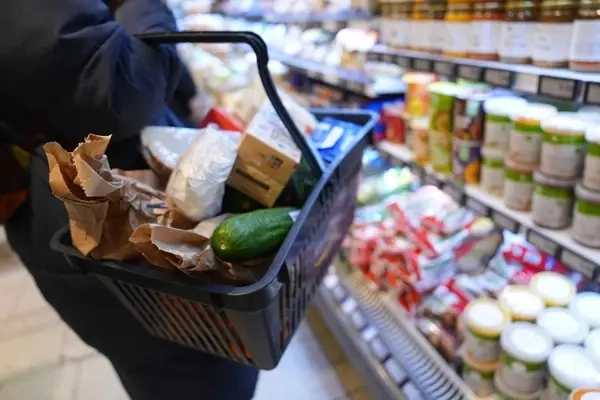
| Retail Distribution | Immediate loss of private-label supply contracts for major supermarkets (Aldi, Lidl, Asda, Iceland). | Retailers forced to rapidly reallocate volume to alternative domestic or European processors. |
Background of the Particular Development After the News
Kanes Food Limited was established in November 1989 and began trading in 1990, expanding over three decades into a vital economic anchor in Middle Littleton near Evesham, Worcestershire. Operating out of a specialized refrigerated manufacturing facility, the company evolved into a premier supplier of high-demand convenience lines, including pre-packaged salads, stir-fry vegetable mixes, noodles, and chilled sauces destined for the chilled aisles of Britain’s largest supermarket chains.
For generations, the Vale of Evesham—historically celebrated as the market garden of England—relied on agricultural and food processing enterprises to sustain local employment. While filings submitted to Companies House indicated that the business had maintained relatively stable operating profits around £2 million in preceding fiscal years, the combination of capital-heavy asset failures in 2025 and compounding inflationary pressures eroded its financial resilience, culminating in its sudden collapse in November 2026.
How This Development Can Affect Redundant Employees, Local Suppliers, and the Evesham Community
The administration of Kanes Food Limited and the termination of its 662 positions will trigger profound economic and social repercussions across multiple stakeholder groups:
1. Displaced Factory Workers and Their Families
For the 662 employees abruptly made redundant, the immediate priority centers on navigating the statutory redundancy claims process via the Redundancy Payments Service. Because the manufacturing plant ceased operations instantly with no transition period, workers face sudden income insecurity ahead of the winter holiday season, prompting local agencies and parliamentary representatives to coordinate rapid-response employment support and job placement advisory services.
2. Regional Agricultural Growers and Supply Chain Vendors
For local farmers, packaging providers, and logistics vendors who relied on Kanes Food Limited as a primary commercial off-taker for fresh produce and goods, the sudden liquidation creates an immediate revenue vacuum. These upstream suppliers must urgently find alternative buyers for perishable harvests or face debilitating cash flow deficits, threatening the financial viability of smaller agricultural holdings across the Vale of Evesham.
3. UK Retail Supermarket Chains
For major grocery retailers such as Aldi, Lidl, Asda, and Iceland that depended on the Evesham facility for private-label salads and stir-fry lines, the sudden supply disruption necessitates rapid emergency procurement adjustments. Retail buyers will be forced to absorb spot-market price spikes or shift volume allocation to remaining domestic and international food manufacturers to maintain unhindered shelf availability.