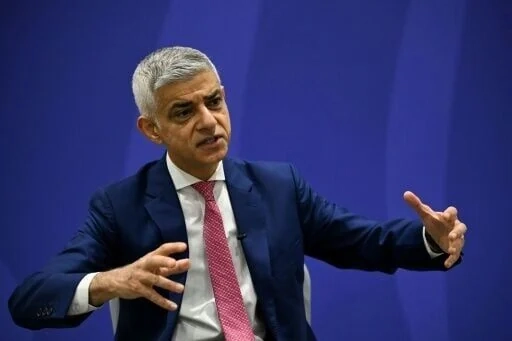
- London Mayor Sadiq Khan, speaking on the sidelines of the COP31 climate negotiations, emphasised that urban centres—despite guzzling energy and accommodating exploding populations—possess the capacity to act as decisive frontline agents in resolving global climate change.
- Serving as co-chair of C40 Cities, a global network dedicated to tackling global warming, Mayor Sadiq Khan detailed his strategic vision for urban sustainability, sustainable data centre management, and the intrinsic link connecting the climate crisis with the cost-of-living emergency.
- In an interview with Agence France-Presse (AFP), Mayor Khan outlined how municipal governments can pioneer pragmatic environmental solutions that outpace national legislative deadlocks.
- The discussions at COP31 spotlighted the escalating resource demands of modern digital infrastructure, particularly data centres, alongside traditional urban carbon emitters such as public transport and commercial buildings.
- Environmental analysts and municipal leaders at the summit underscored that local government interventions in energy efficiency and green transit are critical for meeting international emissions reduction targets.
London (The Londoner News) November 12, 2026 – Urban areas represent the core battleground in the global fight against climate change, according to London Mayor Sadiq Khan. Speaking to international journalists on the sidelines of the COP31 climate talks, the C40 Cities co-chair argued that while municipalities consume vast amounts of energy and face surging population pressures, mayors possess unique administrative agility to implement sustainable reforms. Addressing pressing modern challenges—including the proliferation of resource-intensive data centres and the socioeconomic burdens of the cost-of-living crisis—Mayor Khan urged global policymakers to recognise that local municipal action is inseparable from broader macroeconomic and environmental stability.
As reported by international correspondents from Agence France-Presse (AFP) covering the COP31 climate summit, municipal leadership has assumed an increasingly vital role in international environmental diplomacy. As reported by AFP journalists covering the climate negotiations, Mayor Sadiq Khan asserted that cities remain indispensable to mitigating global temperature rises despite their massive energy consumption and rapid demographic expansion. Speaking in his capacity as co-chair of C40 Cities—an international coalition of mayors committed to combating global warming—Mayor Khan outlined comprehensive strategies for transforming urban metabolisms through green architecture, electrified transit networks, and stringent municipal emissions caps.
As detailed in interviews conducted by Agence France-Presse (AFP) on the sidelines of COP31, discussions centred heavily on the environmental footprint of digital infrastructure, notably the rapid expansion of sustainable data centres. As urban populations expand and digital dependency surges, municipal authorities face mounting challenges in balancing the immense power and water consumption of server facilities with municipal net-zero targets. Mayor Sadiq Khan emphasised that future urban planning must integrate stringent energy-efficiency mandates for technology operators to ensure that digital innovation does not compromise local climate resilience.
Furthermore, Mayor Sadiq Khan addressed the direct intersection between environmental degradation and economic hardship, arguing that the climate crisis and the cost-of-living emergency are fundamentally interconnected. As reported by AFP news agency, Mayor Khan explained that household financial pressures and soaring energy bills cannot be resolved independently of long-term investments in home insulation, renewable energy transition, and affordable sustainable public transport. By lowering household energy consumption through targeted municipal retrofitting programmes, cities can simultaneously alleviate financial burdens on working families and reduce carbon emissions.
Environmental policy analysts attending the COP31 summit noted that municipal networks like C40 Cities provide a crucial platform for sharing best practices across international borders. While national governments frequently grapple with partisan gridlock and delayed legislative timelines, city mayors have demonstrated a capacity to enact rapid, localized mandates concerning low-emission zones, building codes, and waste management. Mayor Khan’s interventions at COP31 reinforce the growing consensus that global climate targets are unattainable without aggressive, well-funded municipal execution.
What Are the Core Arguments Presented by London Mayor Sadiq Khan at COP31?
Interviews and public addresses delivered by Mayor Sadiq Khan at the COP31 climate negotiations highlight several primary policy pillars:
- Urban Centres as Solutions: Recognising that while cities guzzle energy and house exploding populations, municipal governments possess the agility to pioneer decisive climate action.
- C40 Cities Leadership: Leveraging the international C40 network to coordinate global municipal strategies against warming.
- Sustainable Digital Infrastructure: Managing the escalating energy and resource demands of modern data centres within urban boundaries.
- Socioeconomic Integration: Linking the climate emergency directly to the cost-of-living crisis through energy efficiency and home retrofitting.
- Pragmatic Local Policymaking: Implementing low-emission initiatives and green transit policies that bypass national legislative delays.
How Do Global Urban Challenges and Municipal Strategies Compare Across Sectors?
Comparative analyses from C40 Cities and environmental delegations at COP31 illustrate the multifaceted demands facing modern metropolitan leaders:
| Urban Sector / Challenge | Environmental & Resource Impact | Proposed Municipal & Policy Intervention |
| Metropolitan Demographics | Exploding populations increasing municipal waste and power demands. | Expanding high-density, energy-efficient public housing and smart infrastructure. |
| Digital Infrastructure | High electricity and water consumption driven by proliferating data centres. | Enforcing strict green-energy mandates, waste-heat recycling, and efficiency standards. |
| Public Transportation | High historical carbon emissions from fossil-fueled transit fleets. | Accelerated electrification of bus networks, expansion of cycle lanes, and low-emission zones. |
| Household Energy Costs | Vulnerability of working-class residents to fossil fuel price volatility. | Municipal home insulation schemes and community renewable energy generation. |
Background of the Particular Development After the News
The C40 Cities Climate Leadership Group, which London Mayor Sadiq Khan co-chairs, represents nearly 100 of the world’s megacities representing more than 700 million citizens. Established to drive urgent action against climate change, the network focuses on halving emissions within member cities while building equitable and resilient urban communities. Over recent years, mayors within the coalition have increasingly utilised global climate forums such as COP summits to lobby national governments for direct climate finance and regulatory powers.
The integration of urban policy into international climate negotiations marks a significant shift from early UN summits, which traditionally focused almost exclusively on state-level commitments under the Paris Agreement. As global urbanisation accelerates—with over half of the world’s population currently residing in cities—municipal leaders have argued that national decarbonisation pledges cannot succeed without empowering local authorities to regulate building standards, urban transport grids, and commercial energy use.
How This Development Can Affect Urban Mayors, Municipal Planners, and City Residents
The strategic emphasis on municipal climate leadership articulated at COP31 is projected to influence urban governance and policy execution across several fronts:
1. Increased Access to Direct Climate Finance for Municipal Governments
For urban mayors and local authorities participating in networks like C40 Cities, heightened international recognition of municipal climate roles could translate into streamlined access to multilateral development funds and green bonds, bypassing bureaucratic national bottlenecks to finance local green infrastructure.
2. Stricter Environmental Regulations for Technology Operators and Data Centres
For commercial developers, digital enterprises, and data centre operators sited within major metropolitan areas, growing municipal oversight will likely introduce mandatory energy-efficiency thresholds, carbon-reporting requirements, and renewable-energy sourcing mandates.
3. Tangible Cost-of-Living Relief Through Urban Retrofitting for City Residents
For everyday urban residents grappling with inflation and high energy bills, accelerated municipal investment in domestic retrofitting, public transport electrification, and district heating systems will deliver lower household utility costs alongside improved local air quality.