
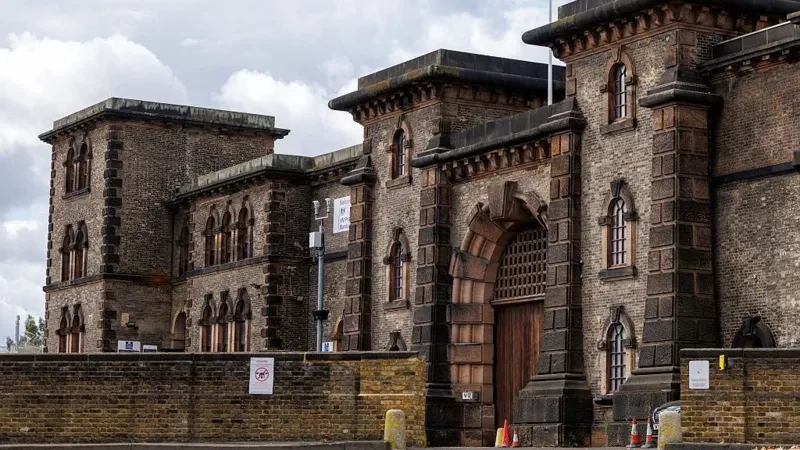
- Plan to Close and Sell London’s Victorian Prisons: The Conservative Party has proposed closing down London’s Victorian jails—specifically naming Wormwood Scrubs, Brixton, Wandsworth, and Pentonville—and selling the land to property developers to raise more than £1.4bn for constructing modern, purpose-built prisons elsewhere.
- 50,000 Extra Prison Places and £2bn Annual Funding: Shadow Justice Secretary Nick Timothy announced at a press conference in Westminster that a Conservative government would create 50,000 additional prison places within six or seven years, end Labour’s early release schemes in its first term, reinstate shorter sentences for offenders such as shoplifters, and allocate an extra £2bn a year to the Ministry of Justice funded through explicit cuts to international aid, culture, and the Cabinet Office.
- Regulatory Changes and Commission Under Sir Simon Clarke: Former minister Sir Simon Clarke will chair a Conservative commission to examine accelerating prison construction by removing obstacles in the planning, procurement, and judicial systems, while Timothy stated the party would strip back regulations such as affordable housing quotas and listed status to maximise land values when market conditions are favourable to the taxpayer.
- Acknowledgement of Past Record Under Kemi Badenoch’s Leadership: Nick Timothy described criticism of the previous Conservative administration’s record on expanding prison capacity as “fair”, while insisting that “this is a different generation of Conservative politicians under Kemi [Badenoch]’s leadership, and we are making different choices”, noting that an earlier Tory proposal to sell London’s Victorian jails was dropped by Boris Johnson’s government in 2019 due to a shortage of prison places.
- Labour Party Response: A Labour spokesperson rejected the Conservative proposals, arguing nobody would believe the plan “given they only added a dismal 500 places while in government”, accusing the Tories of leaving the prison estate on the verge of collapse, and stating that the Labour government is “delivering the largest prison building programme since the Victorian era”.
London (The Londoner News) November 24, 2026 – The Conservative Party has unveiled plans to close London’s Victorian prisons—including Wormwood Scrubs, Brixton, Wandsworth, and Pentonville—and sell the sites to property developers to raise more than £1.4bn towards modern, purpose-built facilities. Speaking in Westminster, Shadow Justice Secretary Nick Timothy pledged 50,000 extra prison places within six or seven years, £2bn in annual Ministry of Justice funding via cuts to international aid, culture, and the Cabinet Office, and a planning and procurement review chaired by Sir Simon Clarke. Labour dismissed the announcement, citing the addition of 500 places during the previous Conservative government.
- What Did Shadow Justice Secretary Nick Timothy Say About Prison Places and Departmental Cuts?
- Which London Victorian Jails Would Be Sold and How Would Sir Simon Clarke’s Commission Operate?
- How Did the Labour Party Respond to the Conservative Prison Proposals?
- How Do the Conservative Proposals and Labour’s Response Compare?
- Background of the Particular Development After the News
- How This Development Can Affect Justice Policy, London Housing, and Public Budgets
As reported by BBC News and Onward, London’s Victorian jails should be closed down and the land sold off to property developers, the Conservatives have said, as they launched a plan to massively increase prison places in England and Wales.
Speaking at a press conference in Westminster, Shadow Justice Secretary Nick Timothy—who has served in the role since January 2026—stated that selling the capital’s historic prison sites could raise more than £1.4bn to help fund the construction of “modern, purpose-built prisons elsewhere” in addition to the 50,000 extra prison places the party has pledged to build within “six or seven years”.
What Did Shadow Justice Secretary Nick Timothy Say About Prison Places and Departmental Cuts?
Reporting from the Westminster press conference outlines the funding commitments, sentencing approach, and acknowledgement of past Conservative records set out by Nick Timothy:
- 50,000 Extra Places and Ending Early Release: Nick Timothy claimed a Conservative government would create 50,000 extra prison places within “six or seven years” and end Labour’s early release scheme during its first term in office.
- £2bn Annual Boost and Budget Reductions: Under the Conservative proposals, an additional £2bn per year would be directed to the Ministry of Justice to finance what Nick Timothy described as “the largest prison-building programme in modern history”. Unlike previous Conservative-led administrations, he stated the party was being “explicit” about which departmental budgets it would cut—specifically international aid, culture, and the Cabinet Office—to pay for new prisons.
- Shorter Sentences and View on Rehabilitation: As reported by BBC News, Nick Timothy stated: “It will let us end Labour’s early release schemes once and for all, and bring back shorter sentences to lock up criminals like shoplifters”. He told the audience “prison works” because it kept criminals off the street and added that he was “deeply sceptical about talk of rehabilitation”.
- Response to Past Conservative Record: Addressing criticism of the previous government’s record, Nick Timothy said it was “fair” to highlight the previous Conservative administration’s failure to significantly increase prison places, while adding: “this is a different generation of Conservative politicians under Kemi [Badenoch]’s leadership, and we are making different choices”.
Which London Victorian Jails Would Be Sold and How Would Sir Simon Clarke’s Commission Operate?
Details from Nick Timothy’s speech explain the institutional review, named London prisons, and regulatory adjustments proposed to generate over £1.4bn:
- Commission Chaired by Sir Simon Clarke: The Conservatives are establishing a commission chaired by former minister Sir Simon Clarke to determine how to accelerate the construction of new prisons by removing obstacles across the planning, procurement, and judicial systems, alongside examining “how to get out of the old Victorian prison estate, starting in London”.
- Named Victorian Sites and Housing Land: Nick Timothy identified Wormwood Scrubs, Brixton, Wandsworth, and Pentonville as prisons that “sit on some of the most valuable land in the world”. As reported by BBC News, Nick Timothy stated: “Getting out of these sites is not only a good idea in itself. It will free up land for residential use in London, where our housing shortage is most acute.”
- Stripping Back Regulations and Market Timing: Nick Timothy said the Conservatives would “strip back regulations, like affordable housing quotas and listed status, to give the land its highest realisable value”, while stipulating that the land would only be sold when “market conditions are favourable to the taxpayer”. He added that this could raise more than £1.4bn to fund new prisons “in addition to” the 50,000 places already pledged.
How Did the Labour Party Respond to the Conservative Prison Proposals?
Statements from the Labour Party directly challenged the Conservatives’ track record in government and defended the current administration’s prison construction programme:
- Criticism of Previous Conservative Capacity Expansion: Labour stated that nobody would believe the Conservative plan “given they only added a dismal 500 places while in government”.
- Statement From Labour Spokesperson: As reported by BBC News, a Labour spokesperson stated: “When it comes to leaving the prisons estate on the verge of collapse, the Tories are guilty as charged. They should be apologising to victims of crime who they badly let down rather than spending time lecturing others who are fixing the mess they left behind.”
- Labour’s Current Construction Programme: The Labour spokesperson added that the Labour government was “delivering the largest prison building programme since the Victorian era so victims of crime get the justice they deserve”.
How Do the Conservative Proposals and Labour’s Response Compare?
A structured summary contrasts the main commitments, financial figures, and arguments presented by both parties:
| Policy Area | Conservative Party Proposal (Nick Timothy) | Labour Party Response |
| Prison Capacity Target | 50,000 extra places within 6–7 years, plus additional places funded by London land sales | Criticises past Tory record of adding 500 places; states Labour is delivering the largest prison building programme since the Victorian era |
| Funding & Budget Sources | Extra £2bn per year for the Ministry of Justice via cuts to international aid, culture, and the Cabinet Office; over £1.4bn from land sales | Accuses Conservatives of leaving the prison estate on the verge of collapse |
| London Victorian Estate | Close and sell sites including Wormwood Scrubs, Brixton, Wandsworth, and Pentonville; remove affordable housing quotas and listed status | Not addressed directly beyond defending current prison building efforts |
| Sentencing & Early Release | End Labour’s early release scheme in first term and reinstate shorter sentences for offenders such as shoplifters | Emphasises delivering justice for victims of crime through ongoing capacity expansion |
| Delivery Mechanism | Commission chaired by Sir Simon Clarke to remove planning, procurement, and judicial obstacles; sell land only in favourable market conditions | Ongoing government prison construction programme |
Background of the Particular Development After the News
Proposals to close and redevelop London’s 19th-century prison estate have surfaced previously in British justice policy. The previous Conservative government had outlined plans to sell off London’s Victorian jails to fund modern replacements, but that initiative was abandoned by Boris Johnson’s administration in 2019 due to acute shortages of prison places across England and Wales.
Several of the facilities cited—such as Wormwood Scrubs, opened in 1875 as a Category B local men’s prison and designated as a Grade II listed building—occupy substantial urban plots in London while operating under persistent capacity pressures. In January 2026, Conservative leader Kemi Badenoch appointed Nick Timothy as Shadow Secretary of State for Justice, leading to this renewed policy review focused on estate replacement, sentencing policy, and planning reform.
How This Development Can Affect Justice Policy, London Housing, and Public Budgets
The Conservative proposals and the political debate surrounding them carry practical implications for key stakeholders across England and Wales:
1. The Prison Service, Courts, and Sentencing Policy
For the Ministry of Justice, prison governors, and the courts in England and Wales, proposals to expand capacity by 50,000 places, end early release schemes, and restore shorter custodial sentences for offences such as shoplifting would substantially increase long-term cell demand and require major capital delivery before older urban facilities could be closed.
2. London Property Developers, Local Councils, and Heritage Bodies
For residential developers, London boroughs housing Wormwood Scrubs, Brixton, Wandsworth, and Pentonville, and heritage authorities, any future move to sell central urban sites while removing listed status protections and affordable housing quotas would significantly alter planning rules, land valuations, and housing mix requirements in the capital.
3. Departmental Budgets and Public Spending Priorities
For departments overseeing international aid, culture, and the Cabinet Office—as well as taxpayers monitoring public finances—earmarking £2bn annually from those budgets and tying land sales to favourable market conditions establishes clear fiscal trade-offs in future election manifestos.