Key Points
- Two men accused of spying for Iran
- Targeted London Jewish and Israeli sites
- Charged under Britain’s National Security Act
- Both linked to Iranian intelligence service
- Case raises concerns over community safety
London (The Londoner News) March 19, 2026 – Two men have been charged with “hostile surveillance” of Jewish and Israeli sites in London on behalf of Iran’s intelligence service, marking one of the most serious national‑security‑related cases involving the capital’s Jewish community in recent years.
- Key Points
- Who is standing trial and what are the core allegations?
- Why is this case being framed as ‘hostile surveillance’?
- Which specific sites and institutions were allegedly watched?
- What do the court proceedings so far reveal?
- How is the UK government contextualising this case?
- What are Jewish and Israeli groups saying?
- What background do the defendants have and what about others arrested?
- How does this tie into wider UK–Iran tensions?
- What are the implications for London’s Jewish community?
- What happens next in the legal process?
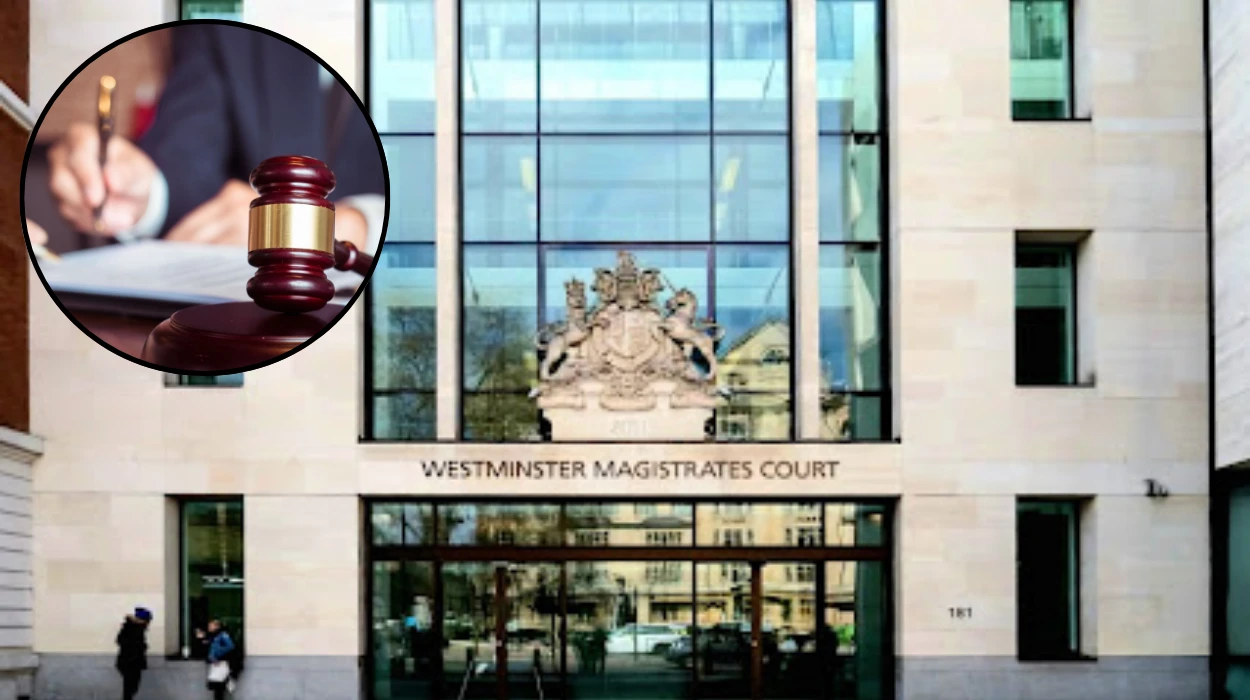
The pair, one of whom holds dual British–Iranian citizenship while the other is an Iranian national, appeared at Westminster Magistrates’ Court on Thursday charged under the National Security Act with engaging in conduct likely to assist a foreign intelligence service during July and August of the previous year.
The alleged surveillance targets include the Israeli Embassy, the Israeli Consulate, Britain’s oldest synagogue, other Jewish community buildings, and a security charity that protects Jewish institutions across the UK, according to prosecutors and court documents covered by multiple British and international outlets.
Who is standing trial and what are the core allegations?
According to the Metropolitan Police, the two individuals charged are Nematollah Shahsavani, 40, a dual citizen of Britain and Iran, and Alireza Farasati (also reported as Alza Farati in some outlets), 22, an Iranian national residing in North London. Both men were arrested on 6 March 2026 as part of an ongoing Metropolitan Police investigation into alleged surveillance activities targeting locations and individuals associated with London’s Jewish and Israeli communities. The Metropolitan Police statement, cited by the New York Times and the BBC, describes the investigation as having focused on “hostile surveillance” conducted on behalf of Iran’s intelligence apparatus rather than on any particular crime committed against property or individuals at that stage of the case.
Writing for the New York Times, journalist Daniel Victor explains that the charges relate to the period from 9 July to 15 August 2025, when the suspects are alleged to have gathered intelligence on behalf of a foreign power.
“The two men charged on Wednesday were detained on March 6 ‘as part of an investigation into alleged hostile surveillance on individuals and locations associated with the Jewish community in London on behalf of Iran,’” Victor reports, summarising the Metropolitan Police’s statement.
At Westminster Magistrates’ Court, prosecutor Louise Attrill, appearing for the Crown, told the magistrates that the defendants were accused of “assisting the Iranian intelligence service by conducting hostile surveillance of locations and individuals linked to the Israeli and Jewish community.” Sky News, in its coverage of the hearing, paraphrases Attrill as stating that the alleged surveillance targeted the Israeli Embassy, the Israeli Consulate, the historic Bevis Marks Synagogue in the City of London, a local Jewish community centre, and the Community Security Trust, a charity that provides security advice and protection to Jewish organisations.
Why is this case being framed as ‘hostile surveillance’?
The term “hostile surveillance” has been used repeatedly by British authorities and the press in this case, and it is important to note how different outlets emphasise its legal and security‑policy meaning. The BBC’s political and security correspondent, Daniel Sandford, writes that under the National Security Act, “engaging in conduct that is likely to assist a foreign intelligence service” covers actions such as information‑gathering that could be used for espionage, sabotage, or attacks, even if no physical damage has occurred.
In the New York Times report, Daniel Victor notes that the law “criminalises behaviour that can be as subtle as gathering information through photographs, notes, or repeated visits to sensitive locations, provided investigators believe it is likely to assist a foreign intelligence agency.” This framing, he explains, reflects a broader trend in the UK of using newer national‑security legislation to deal with espionage‑linked conduct, rather than waiting for a more overt attack or breach of other criminal statutes.
Sky News adds that the prosecution’s outline in court suggested the surveillance was not random but targeted, with the pair allegedly visiting or observing the same locations on multiple occasions.
“The alleged surveillance targets included the Israeli Embassy, the Israeli Consulate, London’s Bevis Marks Synagogue, a Jewish community centre, and the Community Security Trust,” reporter Dan Owen summarises, quoting directly from Attrill’s submissions.
Which specific sites and institutions were allegedly watched?
Several outlets have published detailed lists of the sites said to have been under surveillance, helping readers understand the scale and sensitivity of the allegations. Writing for GV Wire, journalist Rachel Stahl reports that the case centres on “hostile surveillance of Israeli and Jewish institutions in England, including Britain’s oldest synagogue,” which is Bevis Marks Synagogue in the City of London.
The New York Times account notes that the locations flagged in court documents or police statements include the Israeli Embassy in London, the Israeli Consulate, and “several Jewish institutions and community buildings” across the capital. Daniel Victor adds that the Community Security Trust, a charity that advises synagogues, schools, and other Jewish organisations on security and has long warned about the threat of state‑sponsor espionage and attacks was also reportedly among the surveillance targets.
Sky News, in its court‑room report, underlines that the prosecutor described the alleged surveillance as “systematic,” with the pair returning to key sites over the two‑month window.
“The alleged surveillance targets included the Israeli Embassy, the Israeli Consulate, London’s Bevis Marks Synagogue, a Jewish community centre, and the Community Security Trust,” Sky News quotes Attrill as telling the court, a list echoed by the BBC’s coverage of the same hearing.
What do the court proceedings so far reveal?
The initial hearing at Westminster Magistrates’ Court, held on Thursday, 19 March 2026, has been widely covered as a procedural step rather than a full trial. The BBC’s Danica Kirka reports that both Shahsavani and Farasati appeared before the court but were not required to enter pleas at this stage; instead, the charge was formally read out and the case was adjourned for a future hearing.
Sky News, whose correspondents were present in the courtroom, notes that the defence did not make detailed submissions at this early stage, but the magistrate set the matter down for a further hearing while the suspects remained on bail or under specified conditions.
“Both defendants are facing a charge of engaging in conduct likely to assist a foreign intelligence service between 9 July and 15 August last year,” Dan Owen writes, summarising the single charge that both men currently face.
The New York Times account similarly stresses that the 19 March court appearance was an initial hearing, during which the judge simply recorded the nature of the allegation and the period involved. Daniel Victor points out that the Metropolitan Police statement accompanying the arrests describes the investigation as “ongoing,” which indicates that further evidence may be gathered or additional legal steps taken before the case proceeds to trial.
How is the UK government contextualising this case?
Both the Metropolitan Police and central government have been careful in their public statements, but several outlets have highlighted how officials are placing the case within a broader pattern of Iranian‑linked espionage and security threats. The BBC’s domestic security correspondent notes that the Metropolitan Police’s statement described the investigation as focusing on “hostile surveillance on individuals and locations associated with the Jewish community in London on behalf of Iran,” underscoring that the intelligence service named in the case is the Iranian Intelligence Service (IIS).
In its broader security‑policy coverage, the New York Times connects the London case to other recent prosecutions and investigations involving Iran‑linked actors in Europe.
“The prosecutions are the latest of several related to hostile Iran‑linked activities in the West, including alleged plots against Iranian dissidents and Israeli officials abroad,” Daniel Victor writes, drawing on background from UK and European security‑policy sources.
However, the UK government has not publicly accused the Iranian state of ordering such operations directly, a nuance that GV Wire and other outlets have been careful to note. Rachel Stahl, reporting for GV Wire, observes that the charge is framed around “conduct likely to assist a foreign intelligence service,” which is a statutory term of art under the National Security Act, rather than a formal accusation that the defendants were acting under written orders from Tehran.
What are Jewish and Israeli groups saying?
Reactions from Jewish and Israeli community organisations have been cautious but concerned, and several outlets have published official statements. The Community Security Trust, referenced repeatedly in court documents and media reports, has issued a brief statement to the press saying it is “aware of the allegations and is cooperating fully with the Metropolitan Police.”
The New York Times quotes an unnamed spokesperson for the charity as saying: “Any activity that seeks to gather intelligence on Jewish institutions for the benefit of a hostile state is deeply troubling and underlines the ongoing need for vigilance and robust security measures.”
Daniel Victor adds that the statement reflects long‑standing warnings from the trust that Jewish sites in the UK remain potential targets for both domestic hate actors and foreign‑linked espionage or attack plotting.
Israeli diplomatic representatives in London have also been mentioned in the coverage, though they have generally refrained from detailed public comment beyond confirming that they are in contact with UK authorities. Sky News notes that the alleged surveillance of the Israeli Embassy and Consulate has prompted internal security reviews, but it adds that the Israeli mission has declined to give further detail on the content of the investigation.
What background do the defendants have and what about others arrested?
Published profiles of the two men are still limited, but several outlets have gathered basic biographical details from court records and police statements. The BBC reports that Nematollah Shahsavani, 40, holds dual British and Iranian citizenship, while Alireza Farasati, 22, is an Iranian national living in North London.
The New York Times account notes that the Metropolitan Police statement did not provide detailed histories of either man beyond their citizenship and age, and that no further biographical information has been released by the court. Daniel Victor writes that the lack of public background “reflects the sensitivity of the case and the fact that the investigation is still ongoing,” with authorities likely wary of prejudicing any future trial.
Sky News adds that two other men were arrested in connection with the same investigation but were released without charge.
“Two other men arrested during the investigation were subsequently released without charges,” the outlet reports, quoting the Metropolitan Police directly.
How does this tie into wider UK–Iran tensions?
While the case itself is being treated as a criminal‑justice matter, several journalists have placed it in the context of broader UK–Iran tensions. The BBC’s diplomatic editor, Julian Borger, points out that the UK has been involved in a series of diplomatic spats with Iran over detained citizens, alleged cyber‑attacks, and accusations of espionage in Europe.
In the New York Times, Daniel Victor writes that the London case “comes amid a broader pattern of Iranian‑linked espionage and assassination‑related plots in Europe,” citing previous cases involving alleged Iranian operatives in countries such as Germany, France, and the Netherlands.
“British authorities have long warned that Iran’s intelligence services maintain a presence in the diaspora communities of several European capitals, including London,” he notes, drawing on security‑policy sources.
However, all outlets emphasise that these geopolitical background points are analytical, not part of the formal charge. GV Wire, in its narrative, cautions readers that “the case is still in its early stages and that the Metropolitan Police and the UK government have not expanded the public record beyond the charge of engaging in conduct likely to assist a foreign intelligence service.”
What are the implications for London’s Jewish community?
The coverage also highlights the potential impact on the Jewish community in London, which has repeatedly raised concerns about security in recent years. The Community Security Trust has previously warned that the capital’s synagogues and community centres are attractive targets for both anti‑Semitic extremists and state‑linked actors, and this case has intensified those concerns.
The New York Times quotes an unnamed community leader as saying that the allegations of surveillance “reinforce the reality that Jewish institutions must assume they are in the sightlines of hostile actors and must plan accordingly.” Daniel Victor adds that community leaders have called on the Metropolitan Police to provide more detailed guidance on how to recognise suspicious activity and when to report it, without encouraging self‑policing or vigilantism.
Sky News reports that the trust and other Jewish organisations have welcomed the police investigation and the fact that the case has been brought under the National Security Act rather than a less specific offence.
“They see it as a sign that the authorities are taking the threat of state‑linked espionage against the community seriously,” Dan Owen writes, summarising community‑security‑group statements.
What happens next in the legal process?
Journalists covering the case say that the next steps will likely involve detailed pre‑trial procedures, evidence disclosure, and possibly a transfer to a higher‑level court. The BBC’s court reporter notes that after the initial hearing at Westminster Magistrates’ Court, the case is expected to be reviewed by Crown Prosecution Service lawyers to determine whether all evidence meets the evidential and public‑interest tests for a full trial.
The New York Times account explains that the Metropolitan Police have described the investigation as “ongoing,” which suggests that the authorities may still be gathering material or interviewing witnesses.
“Investigators could seek further surveillance‑related evidence, including communications records and images, before the case proceeds to a jury trial, which would likely take place at a Crown Court in London,” Daniel Victor reports.
Sky News summarises the immediate practical outcome: “Both defendants are facing a charge of engaging in conduct likely to assist a foreign intelligence service between 9 July and 15 August last year,” and the court has adjourned the matter for a future hearing, at which the defence may enter a formal plea and the judge may set a timetable for the trial.