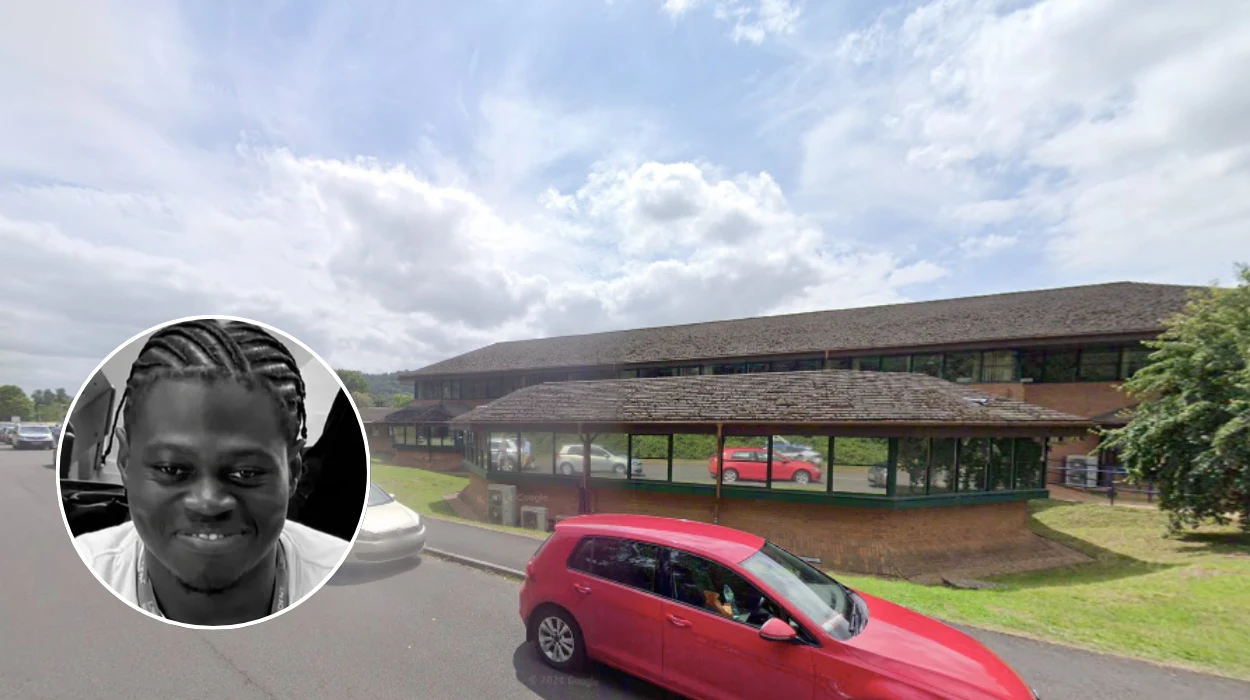
Key Points
- Victim Identified: The 18-year-old student who tragically drowned during a Duke of Edinburgh’s Award (DofE) expedition in Wales has been named as Umar Dumbuya.
- Academic Institution: Umar Dumbuya was a student at Leyton Sixth Form College, situated in east London.
- Location of Incident: The tragic event unfolded at the River Wye in Glasbury, near Hay-on-Wye, located in Powys, Mid Wales.
- Emergency Timeline: Emergency services were alerted at approximately 6:30 pm on Tuesday, 30 June 2026, after reports that a young male had entered the water and disappeared.
- Multi-Agency Response: A large-scale emergency search operation was launched, involving Dyfed-Powys Police, Mid and West Wales Fire and Rescue Service, Mountain Rescue, and the National Police Air Service (NPAS).
- Discovery of Body: Following an intensive search of the river, emergency responders located the teenager’s body later that evening.
- Support for Peers: Surviving students and friends participating in the expedition were brought to the nearby Glasbury Scout Hut, where they received immediate care and support from police officers.
- Community Reaction: Leyton Sixth Form College launched a GoFundMe campaign alongside an online memorial page to support the family with funeral costs, with staff and students expressing deep heartbreak over the loss.
- Official Enquiries: Both Leyton Sixth Form College and the DofE charity have confirmed full co-operation with the appropriate authorities to investigate the circumstances surrounding the drowning.
Glasbury (The Londoner News) July 06 2026 — A tragic drowning incident during a Duke of Edinburgh’s Award expedition in Mid Wales has claimed the life of an 18-year-old student from east London, sparking widespread grief across his college community and prompting an urgent multi-agency investigation. The victim has been formally identified as Umar Dumbuya, a student at Leyton Sixth Form College, who went missing after entering the River Wye on Tuesday evening. Following a massive rescue operation involving aerial support and specialist water rescue teams, emergency services recovered his body from the water, leaving fellow participants and educators devastated by the sudden loss.
- Key Points
- What Happened at the River Wye in Glasbury?
- How Has Leyton Sixth Form College Responded?
- What Statements Were Issued by the Duke of Edinburgh’s Award Charity?
- What Are the Safety Requirements for DofE Expeditions?
- What Is the Broader Context of Open Water Drownings in the United Kingdom?
- Why Is the River Wye Particularly Hazardous?
- What Are the Next Steps in the Official Investigation?
What Happened at the River Wye in Glasbury?
The tragedy occurred in the early evening of Tuesday, 30 June 2026, in a section of the River Wye near Glasbury, Powys, a location popular with tourists and outdoor education groups. As reported by Eleanor Storey of The Independent, emergency services were called to the riverbanks in Glasbury following urgent reports that an 18-year-old male had entered the water and could not be located by those on the scene. The alert came in during a period of warm weather, which frequently attracts swimmers to open water spots across the United Kingdom.
Writing for The Guardian, journalist Nadeem Badshah reported that a spokesperson for Dyfed-Powys Police confirmed a multi-agency operation had taken place at the River Wye following a report that an 18-year-old male had entered the water and could not be located. The police spokesperson added: “Dyfed-Powys Police, Mid and West Wales Fire and Rescue Service, Mountain Rescue and the National Police Air Service have searched the area since the report was made at 6.30pm. Sadly, the body of a male has been located. Our thoughts are with his family and loved ones at this difficult time. Emergency services remain in the area and ask that members of the public stay away while enquiries continue.”
The search area near Glasbury Bridge features a beach that is widely regarded as a popular spot for families, known for having shallow waters suitable for paddling, alongside significantly deeper pools ideal for swimming further downstream beneath the bridge structure. According to local reporting by the Shropshire Star, the teenager’s friends and fellow expedition members were guided away from the immediate scene of the tragedy and supported by police officers at the nearby Glasbury Scout Hut, where emergency pastoral care was established in the hours following the discovery.
How Has Leyton Sixth Form College Responded?
The news of Umar Dumbuya’s death has sent shockwaves through Leyton Sixth Form College, located on Essex Road in east London. Faculty members, administrators, and classmates have publicly expressed their immense sorrow over the loss of a young man described as a deeply positive presence within the student body. In an official public announcement on the institution’s primary communications platform, the leadership of Leyton Sixth Form College stated: “We are deeply saddened to announce the death of one of our students, Umar Dumbuya, in a tragic accident. On behalf of the entire college community, we extend our heartfelt condolences to Umar’s family, friends, and loved ones during this profoundly difficult time. We also recognise the impact this loss has on our students, staff, and everyone who knew Umar. Our priority is to support those affected. Counselling and wellbeing services are available to students and staff, and we encourage anyone who needs support to reach out.”
In addition to implementing on-campus counselling networks, the college established an online memorial portal and launched a crowdfunding campaign to assist the Dumbuya family. As reported by Olivia Carter, a journalist for the East London and West Essex Guardian Series, Leyton Sixth Form College wrote in a GoFundMe campaign set up on behalf of the 18-year-old’s family:
“Umar will be remembered for their kindness, warmth, and the positive impact he had on his family, friends, classmates, and everyone who had the privilege of knowing them. Umar’s loss has left an immeasurable void in the hearts of all who loved them.”
Reporter Olivia Carter further noted that the educational institution has firmly committed to assisting investigators. The college confirmed it is “co-operating with the appropriate authorities” as formal enquiries into the safety parameters of the excursion continue.
What Statements Were Issued by the Duke of Edinburgh’s Award Charity?
The youth development charity responsible for overseeing the national programme has expressed profound grief and launched an immediate internal review alongside civil authorities. In an official national press statement released by the organization, a spokeswoman for the Duke of Edinburgh’s Award confirmed that the student was participating in an active expedition when the incident occurred.
As published in the official safety updates by the Western Telegraph, the DofE spokesperson stated: “We are deeply saddened to confirm that on Tuesday evening a young person drowned while on a DofE expedition in Powys, Wales. Our thoughts are with the young person’s family, together with all those who were taking part. We will do everything we can to support them at this terrible time. DofE is liaising closely with the young person’s college and relevant authorities to understand how this tragic incident happened. The safety and wellbeing of young people taking part in the Award remains our absolute priority.”
The charity also directed other schools and community groups to review standard operating protocols. In a direct addendum to their public notice, the Duke of Edinburgh’s Award management added:
“For anyone planning activities or Expeditions with young people, please read our Expedition Guide for extensive information on safety, including emergency procedures.”
What Are the Safety Requirements for DofE Expeditions?
How Do Teams Monitor Open Water Risks?
The Duke of Edinburgh’s Award is a structured youth achievements programme operating across three progressive tiers: Bronze, Silver, and Gold. To attain these distinctions, participants must independently fulfill requirements across multiple disciplines, including voluntary community service, physical fitness development, specialized skills acquisition, and an adventurous outdoor expedition. At the Bronze tier, these wilderness excursions typically span two days, whereas Gold-level expeditions demand up to four consecutive days of self-sufficient cross-country navigation, camping, and teamwork.
Because participants operate with a high degree of autonomy during the physical navigation phases, strict regulatory guidelines are imposed on organizing bodies, such as schools and sixth form colleges. Faculty supervisors and certified assessors are required to undergo comprehensive risk-assessment training, particularly regarding geographical hazards such as mountainous terrain and open water channels. The tragedy on the River Wye has intensified scrutiny on how these safety frameworks assess regional water hazards during periods of high engagement.
What Is the Broader Context of Open Water Drownings in the United Kingdom?
The loss of Umar Dumbuya occurs amidst growing national concern regarding accidental drownings in open water environments across the British Isles. Seasonal shifts in temperature frequently result in an influx of recreational swimmers, kayakers, and student groups visiting lakes, reservoirs, and rivers, which can present hidden dangers even to experienced swimmers.
According to statistical reporting by Nadeem Badshah in The Guardian, six people died during the preceding week alone after getting into difficulty while swimming in open water across various locations in the United Kingdom. This spike in fatalities has led emergency services, including regional police forces and the Royal Life Saving Society (RLSS), to issue repeated public warnings.
Explore more East London News:
NHS Heatwave Advice: How to Stay Safe in London 2026
Dave’s Hot Chicken Opens New Restaurant at Westfield Stratford 2026
Why Is the River Wye Particularly Hazardous?
What Dangers Exist Beneath Calm Water Surfaces?
Public safety officials in Powys have consistently emphasized that natural watercourses like the River Wye contain specific structural hazards that may not be visible from the surface. While areas like the Glasbury riverbank appear calm and shallow, riverbeds are prone to sudden drop-offs where currents accelerate rapidly. Furthermore, underwater obstacles such as submerged tree branches, moving gravel bars, and sudden thermal changes—known as cold water shock—can severely incapacitate individuals within seconds of entering deep pools.
In response to the fatal incident, local authorities in Mid Wales have renewed their appeals to the public to exercise extreme caution. Emergency personnel continue to remind visitors that open natural waters lack the managed safety provisions of public swimming pools, urging recreational groups to stick to designated, monitored areas and remain fully aware of river conditions before entering.
What Are the Next Steps in the Official Investigation?
A formal investigation into the exact sequence of events leading up to Umar Dumbuya’s death is currently underway. The process involves multiple parallel enquiries conducted by regional emergency services, health and safety executives, and institutional representatives.
Dyfed-Powys Police are leading the primary fact-finding mission to establish an official timeline of the events that occurred at 6:30 pm on 30 June. Detectives are expected to interview eyewitnesses, including fellow students who were present on the riverbank, college staff chaperones, and local residents who assisted during the initial moments of the crisis. The findings will eventually be submitted to the HM Coroner for Powys to facilitate a formal inquest into the cause of death.
Concurrently, the internal review launched by the Duke of Edinburgh’s Award charity will examine whether all established safety protocols, supervisory ratios, and environmental risk assessments were fully adhered to by the expedition organizers from Leyton Sixth Form College. The overarching objective of these combined administrative and legal procedures is to determine how the tragedy transpired and to evaluate whether existing national safety guidelines for youth expeditions require further legislative revision to prevent similar occurrences in the future.