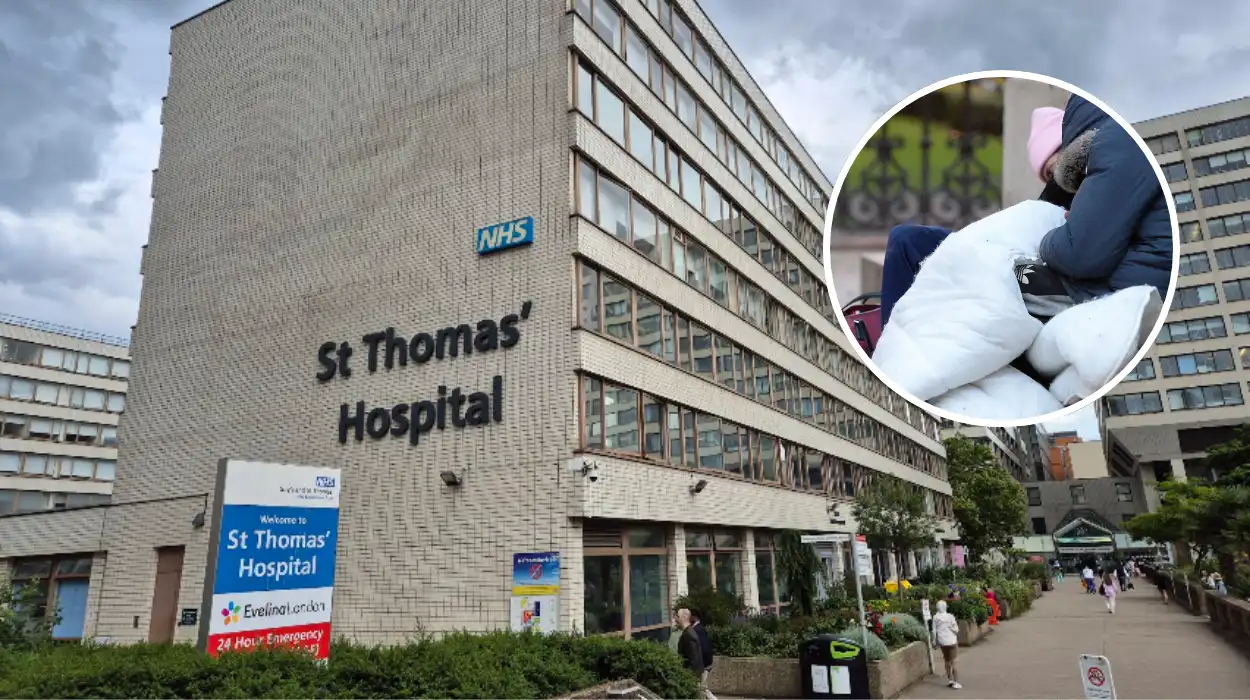
Key Points
- Policy Reversal: The UK Government has announced plans to establish replacement addiction support services for London’s homeless population, reversing a controversial gap in specialized care.
- Service Tendering: London local authorities are scheduled to begin inviting formal tenders for a redesigned, “more sustainable” service model in June.
- Clinic Closure: The decision follows the highly criticized decommissioning of the Addiction Clinical Care Suite (ACCS) at St Thomas’ Hospital, which was previously the capital’s sole specialized hospital unit of its kind.
- Financial Drivers: The initial closure of the critical St Thomas’ facility was enacted strictly on cost-efficiency grounds, sparking widespread concern from healthcare and advocacy sectors.
- Political Fallout: The policy announcement arrived during intense political volatility, emerging less than an hour before Wes Streeting resigned from the Government and publicly called for the resignation of Prime Minister Sir Keir Starmer.
- Safety Net Fears: Medical experts and rough sleeping advocates had warned that the closure left vulnerable individuals facing life-threatening substance dependencies with no direct pathway off the streets.
London (The Londoner News) May 18, 2026 – In a swift policy development amidst a backdrop of acute Westminster political turmoil, the Government has officially confirmed that specialized addiction and recovery support for London’s rough sleepers will be fundamentally revisited. A government spokesperson announced that plans are actively moving forward to establish a replacement service framework designed to fill the critical void left by the closure of the capital’s only dedicated homeless drug and alcohol clinic. This policy shift follows intense public and media scrutiny regarding the vulnerability of unhoused individuals suffering from severe substance dependence.
- Key Points
- Why Is London Re-Evaluating Its Addiction Support for Rough Sleepers?
- What Was the Impact of Closing the St Thomas’ Hospital Addiction Unit?
- When Will the New Replacement Homeless Health Services Begin?
- How Will the Government’s Proposed “More Sustainable” Service Model Work?
- How Did Political Resignations Intersect With the Healthcare Announcement?
- What Are Charities and Healthcare Experts Saying About the U-Turn?
The state-directed intervention marks a notable U-turn for health authorities, occurring less than an hour before a major political fracturing within the ruling administration. The government spokesperson released the operational update just moments before the high-profile resignation of Wes Streeting from the Government, who subsequently called for the Prime Minister, Sir Keir Starmer, to step down from leadership. Despite the ensuing leadership crisis, civil service and local authority structures are pressing ahead with the revised healthcare strategy to address systemic street homelessness in the metropolis.
Why Is London Re-Evaluating Its Addiction Support for Rough Sleepers?
The structural reassessment of emergency medical provisions became a matter of urgent public policy following a critical investigative report published in March. As originally disclosed by political and social affairs journalists at LBC, London’s only existing specialized hospital unit providing intensive addiction treatment for rough sleepers in need of acute stabilization was ordered to close.
The decision to decommission the unit was justified by regional health commissioners strictly on cost grounds, ignited by widening deficits and budget reallocations within the localized National Health Service (NHS) trusts.
The facility at the heart of the controversy was the critically acclaimed Addiction Clinical Care Suite (ACCS), physically situated within St Thomas’ Hospital in central London.
Following the disclosure by LBC reporters, cross-party politicians, medical professionals, and housing charities united in their condemnation of the closure. Critics argued that terminating a service of such geographic and medical significance effectively dismantled the primary clinical safety net available to unhoused individuals struggling with complex, concurrent physical health conditions and severe substance addictions.
What Was the Impact of Closing the St Thomas’ Hospital Addiction Unit?
Prior to the Government’s recent intervention, the decommissioning of the Addiction Clinical Care Suite at St Thomas’ Hospital introduced profound systemic risks to London’s public health infrastructure.
As documented by healthcare reporters covering the capital’s social care sector, the closure created an immediate operational vacuum. Medical professionals warned that the loss of the suite left open the distinct and dangerous possibility that homeless people across London requiring intensive, inpatient treatment for drug and alcohol addiction would be left entirely on the streets without any viable access to life-saving clinical support.
Public health analysts specializing in urban poverty emphasized that the ACCS at St Thomas’ was not merely a standard detoxification facility. Rather, it operated as a highly specialized, trauma-informed environment capable of managing medically complex withdrawal symptoms alongside acute physical trauma commonly sustained during long-term rough sleeping.
Without the facility, emergency rooms across the capital were projected to experience increased pressure, while frontline outreach teams faced the grim reality of navigating a system devoid of dedicated inpatient pathways for the most critically ill individuals on the street.
When Will the New Replacement Homeless Health Services Begin?
To remedy the localized crisis, the Government has outlined an accelerated timeline for commissioning an alternative framework. According to official statements provided by the government spokesperson, London local authorities will spearhead the transition by transitioning the administrative responsibility to regional borough coalitions.
The spokesperson confirmed that municipal authorities will officially begin inviting formal commercial and non-profit tenders for a fundamentally redesigned service model in June.
The upcoming tendering process aims to attract a diverse cohort of healthcare providers, NHS trusts, and specialized third-sector organizations capable of delivering care across broader geographical boundaries.
By shifting the delivery framework from a singular, centralized hospital-based suite to a localized or multi-site configuration, officials intend to restore critical intervention capabilities while mitigating the high overhead costs that led to the original shutdown at St Thomas’.
Explore More London Local News
London NHS Dermatology Trusts Fail All Patient Waiting Targets: London 2026
Reform UK Suspends Candidate Laura Newman over Election Dispute: Hammersmith 2026
How Will the Government’s Proposed “More Sustainable” Service Model Work?
Amid stringent fiscal constraints within the broader healthcare system, the architecture of the proposed replacement service will differ substantially from its predecessor.
As stated by the government spokesperson, the objective of the June tendering process is to secure a service that is explicitly “more sustainable” over the long term.
This terminology indicates a transition away from the expensive, acute inpatient hospital beds utilized at St Thomas’ Hospital toward a hybrid or community-centric methodology.
While precise clinical specifications have yet to be published within the preliminary bidding documents, public health reporters indicate that a “more sustainable” model is highly likely to emphasize integrated community detox teams, mobile clinical vans, and residential rehabilitation partnerships outside of high-cost central London acute wards.
The challenge confronting local authorities remains whether a decentralized model can successfully replicate the immediate, high-intensity medical supervision that the St Thomas’ ACCS provided to patients presenting with life-threatening complications.
How Did Political Resignations Intersect With the Healthcare Announcement?
The timing of the policy disclosure has drawn substantial analysis from Westminster commentators, given its intersection with an unexpected executive crisis.
The government spokesperson’s briefing regarding the replacement addiction service was delivered in a highly compressed window—less than an hour before Wes Streeting resigned his position within the Government.
Mr Streeting’s departure was accompanied by a direct public challenge to the party leadership, wherein he called for Sir Keir Starmer to step down as Prime Minister.
The proximity of the policy announcement to the political resignations has led some independent analysts to suggest that the administration sought to stabilize critical policy portfolios and fulfill pending media obligations before the leadership challenge dominated the news cycle.
Despite the high-level political volatility, the civil service and local government representatives have stressed that the operational timeline for London’s rough sleeping services remains independent of cabinet movements and will proceed as scheduled into the summer.
What Are Charities and Healthcare Experts Saying About the U-Turn?
The reaction from frontline organizations and investigative journalists who tracked the decommissioning process has been a mixture of cautious optimism and systemic skepticism. Advocacy groups have emphasized that while the commitment to a replacement service is a necessary victory for public health, the lag between the initial closure and the new June tendering process leaves a dangerous operational gap. Frontline workers report that individuals are currently enduring substance crises on London’s streets without the specialized recourse previously afforded by St Thomas’.
Furthermore, legal and media watchdogs emphasize the importance of rigorous transparency regarding how these policy decisions are monitored and reported. As underscored by independent social policy columnists, clear attribution to investigative journalism—such as the foundational reporting conducted by the team at LBC—is vital for mapping how media accountability directly influences statutory U-turns. With tenders opening next month, stakeholders from all sides of the political and medical spectrums will be watching closely to ensure that “sustainability” does not become a euphemism for a diminished standard of life-saving care.