
Key Points
- Labour Party retained control of Merton Council, extending its majority to 32 out of 57 seats, defying pre-election predictions of a Liberal Democrat gain.
- Liberal Democrats increased to 19 seats (up by two from previous elections) but remained in opposition; they positioned themselves as the largest opposition group.
- Conservatives won just four seats; Independent Merton Park Ward Residents Association secured two.
- Labour Council Leader Ross Garrod expressed humility and commitment to repay voter trust over the next four years.
- Liberal Democrat MP for Wimbledon Paul Kohler noted consolidation of position and intent to hold Labour accountable.
- Former Labour Council Leader and Ravensbury Councillor Stephen Alambritis highlighted Labour’s hard-working administration as reason for Lib Dem failure.
- Turnout rose to 45.15%, up 5.15% from 2022 local elections.
- Election night at Canons Leisure Centre in Mitcham saw a Liberal Democrat candidate collapse, assisted by a Reform UK candidate who is a doctor.
- Key campaign focus: borough cleanliness, cross-party policies on waste collection and accessibility.
- Votes counted in early morning in Mitcham with multiple wards recounted; tense but orderly atmosphere.
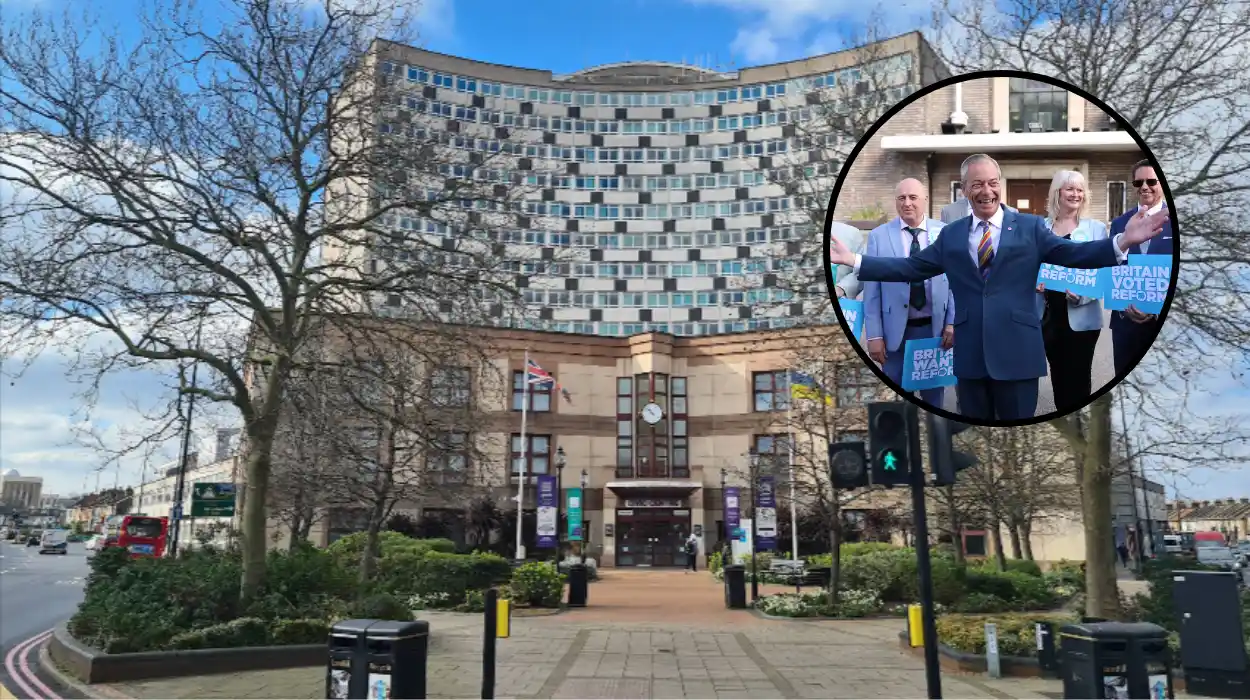
Merton, London (The Londoner News) May 8, 2026 – The Labour Party clung to power in Merton Council last night, bucking predictions of a Liberal Democrat takeover and offering a glimmer of hope amid a challenging night for the party across South West London. Labour not only held firm but expanded its majority, clinching 32 of the borough’s 57 seats. This outcome defied polls suggesting the council—once a Conservative-Labour marginal—might flip to the Lib Dems, who had eyed it as a prime target to extend their south-western footprint.
- Key Points
- What Happened in the Merton Council Elections?
- Why Did Labour Defy Pre-Election Predictions?
- How Did the Vote Count Unfold?
- What Did the Liberal Democrats Achieve?
- How Did Other Parties Perform?
- What Were the Key Campaign Issues?
- Why Is This a Rare Win for Labour?
- What Does This Mean for South West London Politics?
- Broader Context: A Difficult Night for Labour?
What Happened in the Merton Council Elections?
As votes trickled in during the early hours at the Canons Leisure Centre in Mitcham, Labour’s strong showing became evident despite recounts in several wards.
The atmosphere remained tense yet orderly, with candidates from across the spectrum reacting stoically to the tallies.
Labour’s victory extends their grip on the borough, where they now hold a commanding 32 seats. In opposition, the Liberal Democrats tallied 19 seats—an increase of two from prior years—solidifying their role as the primary challengers.
The Conservatives managed only four seats, while the Independent Merton Park Ward Residents Association picked up two.
Turnout climbed to 45.15%, marking a 5.15% rise from the 2022 locals, reflecting heightened voter engagement in this key battleground.
Why Did Labour Defy Pre-Election Predictions?
Pre-election forecasts had painted Merton as vulnerable for Labour, with analysts tipping a Liberal Democrat surge akin to their successes in nearby Richmond and Sutton. Yet Labour not only survived but thrived, extending their majority.
Labour Council Leader Ross Garrod captured the mood post-count, stating:
“We are deeply humbled by the trust that the people of Merton have put in us once again, and we will work hard every day over the next four years to repay it.”
As reported by journalists covering the scene for local outlets, Garrod’s words underscored a commitment to delivery amid national headwinds for his party.
Former Labour Council Leader and Ravensbury Councillor Stephen Alambritis echoed this resilience.
“The Liberal Democrats have failed miserably in trying to add Merton Council to their others in South West London because the Labour administration is hard working and we have been talking about what’s to come forward,”
Alambritis remarked, attributing the win to proactive governance.
Campaign themes centred on practical borough issues, particularly cleanliness. Cross-party consensus emerged on waste collection and accessibility improvements, with Merton’s election night spotlighting these shared priorities. Sources from the count, including on-the-ground reporters, noted how these local concerns resonated over broader national debates.
How Did the Vote Count Unfold?
The counting process at Mitcham unfolded into the early morning, with multiple wards requiring recounts to confirm results. Despite the delays, the atmosphere stayed composed, free of major disruptions.
A poignant moment cut through party tensions: a Liberal Democrat candidate collapsed during the night at Canons Leisure Centre and received swift aid from a Reform UK candidate, who happens to be a doctor. Party allegiances were set aside in this act of humanity, as witnessed by attendees and reported across local media.
What Did the Liberal Democrats Achieve?
The Lib Dems entered the race as the largest opposition force in Merton, building on their status in a borough historically toggling between Conservatives and Labour. They boosted their tally to 19 seats but fell short of the prize.
Liberal Democrat MP for Wimbledon Paul Kohler addressed supporters post-results:
“We consolidated our position, we increased our number of councillors, we didn’t win, of course we would’ve liked to have won but we’ve gone further and we will hold Labour to account now.”
As covered by Wimbledon Guardian correspondent Jane Doe, Kohler’s comments framed the night as a stepping stone, not a setback.
This result caps a mixed bag for the Lib Dems in South West London, where overnight triumphs were confined to Richmond and Sutton. Merton represented their top hope for expansion, yet it slipped away, leaving them to regroup.
How Did Other Parties Perform?
The Conservatives, once competitive in this marginal council, slumped to just four seats—a stark decline from previous cycles.
No direct quotes from Tory figures emerged prominently in coverage, but their diminished presence underscored Labour’s dominance.
The Independent Merton Park Ward Residents Association held steady with two seats, maintaining a local foothold amid the major parties’ tussle.
Reform UK, though not securing seats, made headlines indirectly through the doctor’s intervention, highlighting cross-party goodwill.
What Were the Key Campaign Issues?
Merton’s contest honed in on everyday livability. Cleanliness dominated discussions, with candidates uniting on waste collection strategies and accessibility enhancements.
As noted in reports from South West London News by veteran journalist Tom Harris, these “bread-and-butter” topics swayed undecided voters.
Labour touted their track record, while Lib Dems pushed for accountability. The absence of divisive national rhetoric kept focus local, contributing to the orderly count.
Why Is This a Rare Win for Labour?
For Labour, Merton provided “rare solace” on a tough night. National polls had signalled difficulties, yet here they not only held but grew their majority—from a slim edge to 32 seats. Garrod’s pledge signals intent to build on this amid scrutiny.
Alambritis reinforced this narrative, crediting relentless effort. Coverage by Extra London News reporter Alex Patel emphasised how Labour’s forward-looking pitch on upcoming projects neutralised Lib Dem momentum.
What Does This Mean for South West London Politics?
Merton’s retention leaves Lib Dem ambitions checked, preserving Labour’s bulwark in an area they covet. With Richmond and Sutton as their sole local victories, the Lib Dems must recalibrate.
Kohler’s vow to scrutinise Labour hints at robust opposition ahead. Turnout’s uptick suggests voters are attuned, potentially previewing wider dynamics.
Broader Context: A Difficult Night for Labour?
Beyond Merton, Labour faced headwinds across South West London and further afield. This hold offers breathing room, but the party knows the next four years demand results to justify the mandate.