Key Points
- New Partnerships Formed: Southwark Council has officially announced three new car-sharing partnerships with HiyaCar, Enterprise, and Co-wheels to restore car club services to the local community.
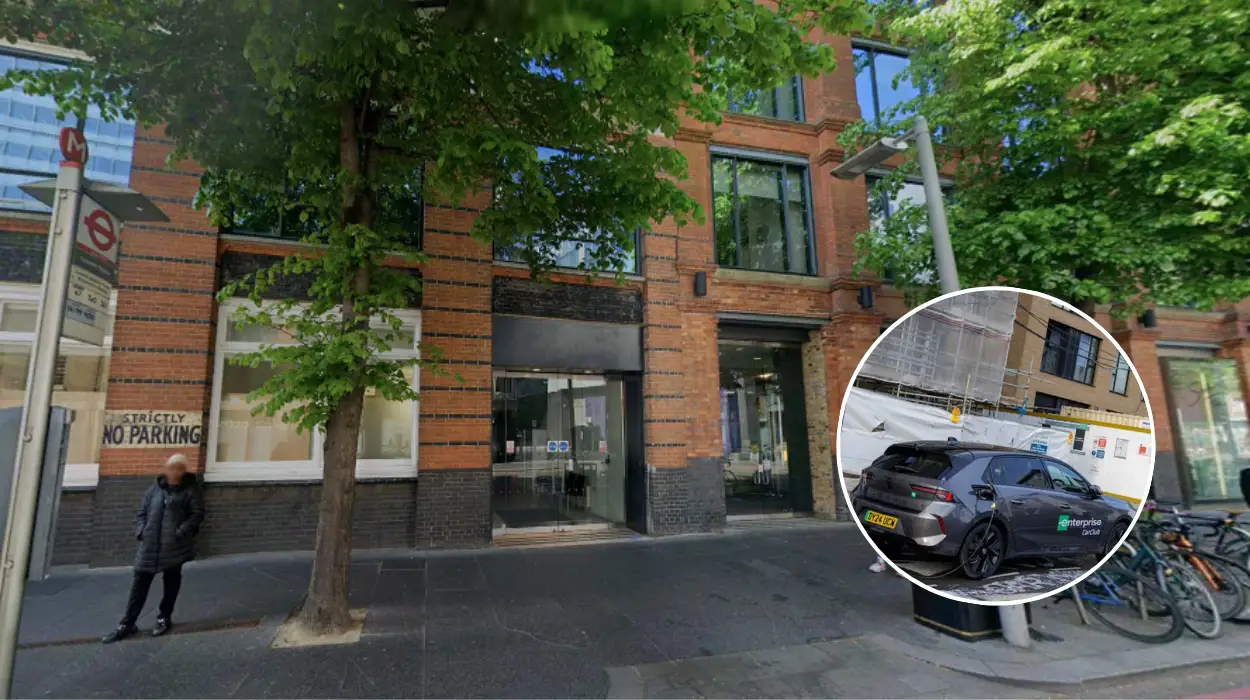
- Initial Fleet Expansion: The first phase of the rollout will introduce a combined total of 30 vehicles across the borough, with Enterprise providing 15 cars, HiyaCar bringing 10, and Co-wheels contributing 5.
- Strategic Geographic Distribution: The newly introduced shared vehicles will be strategically positioned in dedicated parking bays stretching across Southwark, from London Bridge in the north down to Dulwich in the south.
- Response to Zipcar’s Global Retreat: This initiative follows the sudden departure of Zipcar last December, a move executed despite Southwark Council offering the firm 200 free parking spaces in a desperate bid to preserve the local service.
- UK Market Pressures: Zipcar opted to withdraw entirely from the United Kingdom market, citing severe and unsustainable operational cost pressures.
- Crucial Demographics: Local authority data indicates that approximately 60 per cent of households within the borough of Southwark do not own a private vehicle, highlighting a critical dependence on occasional-use transport alternatives.
- Incentivisation Tactics: To attract the new operators and ensure financial viability, Southwark Council has reinstated its policy of offering free parking spaces to the participating car clubs.
- Phased Traffic Monitoring: Council officials will closely monitor local consumer demand and usage data during this initial rollout phase before making decisions on potentially scaling up the fleet size.
- Broader Environmental Alignment: The return of these car clubs forms a foundational element of Southwark Council’s wider “Streets for People” plan, which aims to curb private car ownership, reduce carbon emissions, and encourage active travel such as walking, wheeling, and cycling.
London (The Londoner News) July 2, 2026 – Car-sharing schemes are officially returning to the South London borough of Southwark following a major service void left by Zipcar’s total market departure last December, council officials have confirmed. In an ambitious effort to restore flexible transport options for thousands of residents, Southwark Council has secured three new distinct partnerships with industry operators HiyaCar, Enterprise, and Co-wheels. The collaborative initiative is designed to immediately alleviate the transport pressures faced by local households, introducing an initial combined fleet of 30 vehicles placed strategically throughout the borough’s key municipal zones. According to statement models released by the local authority, this newly minted transport framework aims to provide a sustainable alternative to private vehicle ownership, matching the strict urban environmental targets outlined in the council’s active travel legislation.
- Why are car clubs returning to Southwark after the sudden Zipcar departure?
- Which car-sharing operators are involved in the new South London network?
- Where will the new car club parking bays be located across the borough?
- How is Southwark Council incentivising these operators to remain in the area?
- What are the environmental and long-term goals of the “Streets for People” plan?
- How will the first phase of this transport rollout be evaluated moving forward?
Why are car clubs returning to Southwark after the sudden Zipcar departure?
The reinstatement of car clubs across South London represents a major policy pivot for Southwark Council, which found itself in a challenging position following the abrupt collapse of its previous micro-mobility arrangements. As reported by Luke Donnelly, Agenda Editor of MyLondon, the borough’s previous partner, Zipcar, made the corporate decision to exit the entire United Kingdom market at the end of last year, leaving a significant transport deficit in its wake.
The departure was notably abrupt, catch white-collar transport planners by surprise given the extensive accommodations that had been extended to the firm. Local authority records show that Southwark Council had gone to great lengths to retain the provider, including an offer of 200 free parking spaces across the borough in December in a direct bid to cushion the firm’s bottom line and prevent a service black-out.
Despite these significant local concessions, corporate executives at Zipcar chose to finalize their withdrawal from British streets, citing overwhelming cost pressures and shifting macroeconomic realities within the wider UK transport sector. This left Southwark Council with an immediate policy crisis.
With more than half of the local population reliant on non-private transport infrastructure, the local government had to act swiftly to secure alternative providers. The announcement of the triple partnership with HiyaCar, Enterprise, and Co-wheels is the direct result of months of procurement negotiations aimed at rebuilding South London’s car-sharing network from the ground up, ensuring that the void left by Zipcar does not become a permanent setback for urban mobility.
Which car-sharing operators are involved in the new South London network?
To safeguard the borough against the vulnerabilities of relying on a single commercial entity, Southwark Council has deliberately diversified its approach by launching multi-company partnerships. As reported by Luke Donnelly, Agenda Editor of MyLondon, the new car-sharing model will see responsibilities split among three proven operators in the sustainable transport marketplace: HiyaCar, Enterprise, and Co-wheels. This tiered operator framework is intended to create a resilient ecosystem that offers residents varied pricing structures, vehicle choices, and booking platforms.
The implementation strategy has been divided into distinct operational contributions from each provider to ensure an organized and manageable launch phase. The specific breakdown of the initial fleet allocations consists of the following:
- Enterprise: The largest contributor to the opening phase, bringing an initial fleet of 15 vehicles to the borough’s streets.
- HiyaCar: A prominent peer-to-peer and dedicated fleet platform, which is introducing 10 vehicles to the local network.
- Co-wheels: A well-known social enterprise car club operator, which is anchoring the initial rollout with 5 specialized vehicles.
By introducing a total of 30 vehicles in the opening salvo of the project, the council expects to gather valuable localized data. This distributed operational footprint ensures that if one operator faces logistical hurdles, the alternative partners can maintain core services for South London commuters.
Where will the new car club parking bays be located across the borough?
A critical element of the council’s revised strategy relies heavily on strategic geographic accessibility, ensuring that vehicles are not merely concentrated in high-income pockets but are instead distributed equitably across different socio-economic neighbourhoods. As reported by Luke Donnelly, Agenda Editor of MyLondon, the newly allocated cars will be positioned in dedicated, clearly marked parking bays spanning a geographical corridor that runs from London Bridge all the way to Dulwich.
This expansive layout means that the infrastructure will serve high-density commercial hubs, commuter transit zones, and quieter residential suburbs alike. By positioning vehicles near major transport interchanges like London Bridge, the council is targeting multi-modal commuters who may need a vehicle for the final leg of a journey or for specialized regional travel.
Simultaneously, extending the bays down into the residential heartlands of Dulwich ensures that families and independent residents who do not own a car have easy access to a vehicle right outside their front doors. The physical placement of these bays has been coordinated with the council’s highways department to minimize disruption to existing residential parking allocations while maximizing the visibility of the new shared fleets.
How is Southwark Council incentivising these operators to remain in the area?
Learning from the financial realities that drove Zipcar out of the country, Southwark Council has adapted its regulatory framework to create an attractive operating environment for its three new partners. As reported by Luke Donnelly, Agenda Editor of MyLondon, Southwark Council offered free parking spaces to car clubs in a explicit bid to encourage them to operate within the borough’s administrative boundaries. Parking permits and bay suspension costs typically represent a massive overhead for commercial car clubs operating in Greater London, often rendering operations financially non-viable in areas with high parking levies.
By waiving these fees entirely for the initial deployment, the local authority is effectively subsidising the operational entry costs for HiyaCar, Enterprise, and Co-wheels. This financial concession is viewed by the council as a necessary investment in public infrastructure.
By removing the friction of high parking overheads, the local government hopes to guarantee long-term service stability, preventing a repetition of the cost-related exit that defined the Zipcar era. The free parking spaces serve as a powerful economic lever, showing that the council is willing to sacrifice immediate parking revenue in exchange for broader public transport benefits and lower carbon footprints across South London.
What do local demographic statistics reveal about car ownership in Southwark?
Why are casual-use vehicles so vital for local residents?
To understand why Southwark Council has dedicated significant political capital and financial resources to restoring these services, one must examine the unique socio-economic layout of the borough. As reported by Luke Donnelly, Agenda Editor of MyLondon, council bosses emphasize that car clubs play a vital role for residents because roughly 60 per cent of households do not own a private car. This exceptionally low rate of private vehicle ownership is reflective of inner-London demographics, where high insurance premiums, clean air compliance charges, congestion fees, and a lack of private driveway space make vehicle maintenance impractical for the average family.
Consequently, these shared fleets are not a luxury add-on, but a vital piece of local infrastructure. They are predominantly used by everyday citizens who lead largely transit-aligned lives but require temporary access to a motor vehicle for specific tasks—such as transporting heavy items, attending regional medical appointments, driving vulnerable relatives, or conducting occasional big-box grocery shopping. By filling this specific niche, car clubs allow residents to maintain a car-free lifestyle for 95% of the year without sacrificing their mobility options when a specialized road trip becomes genuinely necessary.
Explore more South London News:
South London Air-Powered Train History: Crystal Palace 1864
Tooting Granada Wins Historic Blue Plaque: Tooting 2026
What are the environmental and long-term goals of the “Streets for People” plan?
The return of community car-sharing fits neatly into a much larger administrative doctrine designed to reshape the physical appearance and environmental quality of South London’s public spaces. As reported by Luke Donnelly, Agenda Editor of MyLondon, Councillor James McAsh, Leader of Southwark Council, expressed strong optimism about the environmental trajectory of the borough, stating:
“I’m delighted to welcome car clubs back to Southwark – they make a huge difference to our residents.”
This perspective underlines a growing consensus among urban planning experts that the physical reduction of steel on the streets is paramount to creating liveable urban centers. Councillor James McAsh further elaborated on the strategic mechanics behind the initiative, adding:
“By helping to cut demand for private vehicle ownership, car clubs cut pollution, save money, and help create a great place to walk, wheel or cycle.”
This statement directly links the car club initiative to the overarching goals of Southwark’s “Streets for People” plan, a comprehensive municipal framework dedicated to reclaiming asphalt from idle vehicles and repurposing it for wider sidewalks, safer cycling channels, and community green spaces.
The council’s view is that every single active car club vehicle can effectively replace multiple privately owned cars, as multiple neighbours share a single asset rather than parking separate vehicles permanently on public roads. Councillor James McAsh concluded his remarks by framing the commercial partnerships as a cooperative journey, stating:
“We look forward to working with car clubs as we create better streets for all through our Streets for People plan.”
How will the first phase of this transport rollout be evaluated moving forward?
Rather than rushing into an unmanaged, large-scale deployment that could overwhelm local parking infrastructure or result in underutilized assets, Southwark Council is adopting a strictly data-led, cautious approach to this transport relaunch. As reported by Luke Donnelly, Agenda Editor of MyLondon, demand will be monitored continuously during this initial phase before local authorities consider whether to increase the overall number of vehicles on the streets. This structured monitoring phase will give council transport analysts clear insight into true usage patterns, peak rental hours, and geographical sweet spots across the London Bridge to Dulwich corridor.
If the data reveals high utilization rates and consistent community uptake, the council has already indicated its willingness to grant additional parking bay permissions to HiyaCar, Enterprise, and Co-wheels to expand their respective fleets. Conversely, if certain zones show low engagement, vehicles can be dynamically relocated to areas demonstrating greater transport scarcity. This flexible oversight framework ensures that public space is utilized as efficiently as possible, protecting the fiscal interests of the council while progressively building a dependable, zero-emission transit alternative that could serve as a blueprint for surrounding South London boroughs.