
Key Points
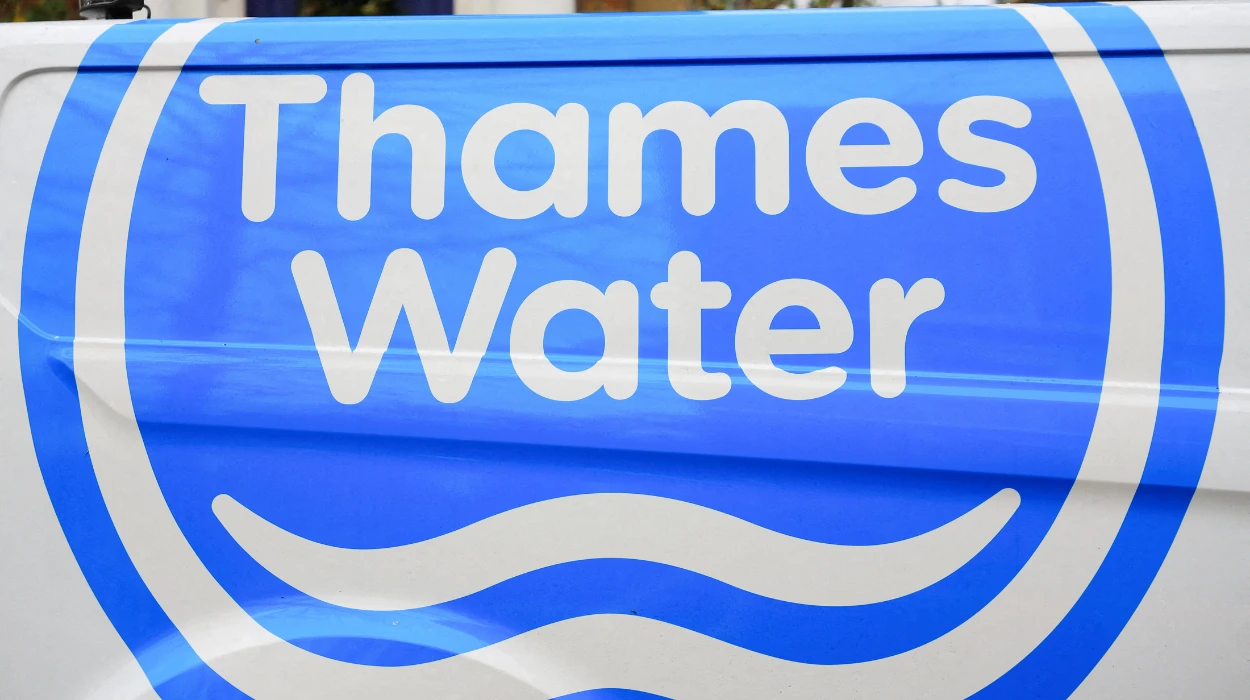
- Official Implementation: Thames Water has announced a temporary hosepipe ban—officially known as a Temporary Use Ban (TUB)—affecting approximately 10 million customers across London and the South-East.
- Start Date and Time: The restrictions officially come into effect at 00.01am on Thursday, July 23, though Thames Water is urging households to comply and follow the ban immediately.
- Core Causes: The utility has blamed the decision on a combination of prolonged dry weather, recent heatwaves, very low rainfall levels (with the Thames region receiving only 40 per cent of its average rainfall this spring), and higher-than-normal water demand.
- Usage Statistics: According to reporting by The Independent (as detailed by reporter), water usage has surged to 10 per cent above normal in the Thames Valley and Home Counties, and 7 per cent higher in London.
- Scope of Impact: The order applies to all domestic customers who receive their drinking water supply from Thames Water. Customers who only receive wastewater services are exempt from the restriction.
- Prohibited Activities: Under the ban, residents are banned from using hosepipes, sprinklers, or pressure washers to water gardens, clean cars, fill paddling pools, hot tubs, or swimming pools, or clean paths, patios, and outdoor windows.
- Permissible Alternatives: Householders can still use watering cans, buckets, and water collected in water butts to manage their gardens and clean vehicles. Exemptions also apply for health, safety, animal welfare, and specific commercial or newly planted agricultural needs.
London (The Londoner News) July 21, 2026 — Millions of residents across London and the wider South-East are bracing for strict outdoor water limitations after Thames Water officially declared a temporary hosepipe ban. The emergency measure, prompted by an intense convergence of record-breaking heatwaves and critically low precipitation, will legally restrict approximately 10 million consumers from utilizing hosepipes for non-essential domestic chores. While the legal enforcement of the Temporary Use Ban (TUB) is scheduled to commence at precisely 00.01am on Thursday, utility executives have implored households to voluntarily adopt the restrictions immediately to protect local environmental resources and maintain continuous tap pressure.
Why has Thames Water introduced a hosepipe ban in London?
As reported by The Independent, the decision to enact the emergency restrictions was finalized following an executive statement published on Thames Water’s official website on Tuesday morning. The utility cited an unprecedented combination of environmental pressures, noting that the region experienced its driest spring on record, followed by three consecutive heatwaves and zero measurable rainfall across the Thames catchment area throughout July.
Elaborating on the severity of the crisis, Nevil Muncaster, Director of Strategic Water Resources at Thames Water, stated in remarks covered by MyLondon journalist Ayokunle Oluwalana:
“We would not be taking this step unless it was necessary to protect water supplies for everyone and the environment. Recent heatwaves and a very dry spring and summer have led to sustained high demand. While there is enough water for essential use, we need to reduce non-essential outdoor demand to keep taps flowing.”
Furthermore, data provided to The Independent highlighted that domestic consumption has spiked significantly above historical averages, tracking 7 per cent higher in London and 10 per cent higher across the Thames Valley and surrounding Home Counties. This abnormal surge means customers are consuming an extra 100 million litres of water daily—an amount equivalent to scaling up the network by adding every single home in Manchester.
Who is affected by the London hosepipe ban?
The Temporary Use Ban strictly covers all residential customers who receive their primary drinking water supply directly from Thames Water.
According to network data evaluated by HuffPost UK journalist, the utility’s footprint spans a vast geographical area encompassing Greater London, the Thames Valley, parts of Gloucestershire, Wiltshire, Surrey, and portions of Essex such as Chigwell, Buckhurst Hill, Loughton, and Waltham Abbey.
However, important structural distinctions apply to dual-service subscribers. As clarified in the original company notice published by The Independent, customers who rely on Thames Water solely for wastewater and sewage management—while receiving their clean tap water from an entirely separate regional supplier—are legally exempt from this specific decree, though they must verify individual constraints enforced by their respective providers.
Explore More London Local News:
Four Hospitalised After Collision on Consfield Avenue, New Malden 2026
Thousands Without Water After Major Pipe Burst in West London 2026
What activities are banned under the Thames Water restrictions?
Once the legislation takes effect on Thursday morning, breaking the rules transitions into a criminal offense carrying potential financial penalties.
As outlined by MyLondon, consumers are explicitly forbidden from using a mains-connected hosepipe, jet washer, or pressure washer for a wide variety of domestic activities.
The prohibited actions include:
- Watering domestic gardens, lawns, or residential allotments.
- Filling or maintaining paddling pools, domestic swimming pools, and hot tubs.
- Cleaning private motor vehicles, boats, and trailers.
- Washing external property structures, including paths, patios, driveways, exterior walls, and glass windows.
- Operating automated lawn sprinklers or unattended garden irrigation systems.
What alternative methods can residents use during the ban?
Despite the sweeping outdoor constraints, residents retain alternative methods to maintain properties and gardens without violating the statutory instrument. As detailed by The Guardian, households are fully permitted to bypass the hosepipe restrictions by utilizing traditional manual equipment.
Householders can continue to:
- Fill standard watering cans directly from indoor taps to sustain flowerbeds and vegetable patches.
- Utilize stored rainwater collected via domestic water butts.
- Repurpose greywater, such as water left over from cooking vegetables or rinsing household produce.
- Clean vehicles and outdoor glass surfaces manually using buckets, sponges, and cloths.
Are there any specific exemptions to the hosepipe ban?
Certain legal exceptions safeguard vulnerable populations and critical commercial operations. As reported across multiple media briefs, exemptions apply to registered Priority Services customers who cannot reasonably modify water habits due to medical needs or disabilities.
Additional allowances cover core animal welfare requirements (including livestock, household pets, and fish stocks), specialized commercial business services, newly laid turf for up to 28 days, and specific agricultural food crops.
Addressing the public response, Mr Muncaster expressed gratitude toward local communities in statements issued to The Independent and MyLondon:
“Many customers have already reduced their water use, and that support has made a difference. Thank you to everyone who has already changed their daily habits. Our teams are working 24/7 to keep water moving, fix leaks and support customers. We will keep the situation under close review and lift restrictions as soon as it is safe to do so.”