
Key Points
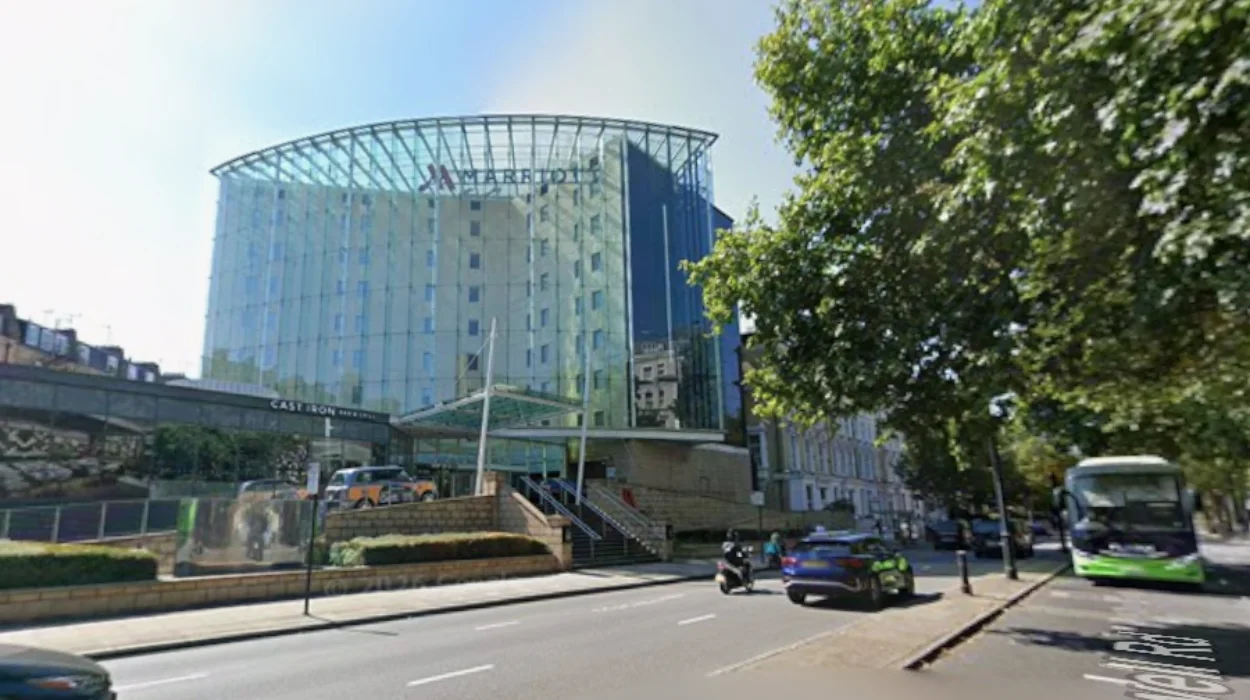
- Prince Abdullah bin Fahad bin Abdullah bin Abdulaziz bin Jalawi al Saud, 29, was found dead in his bathroom at the Marriott Hotel on Cromwell Road in Kensington, west London, on November 25 last year.
- As reported by Peter Hann of The Standard, the young royal had checked into the £600-a-night hotel room on November 19 for a planned one-week stay.
- An inquest at Inner West London Coroner’s Court revealed that the prince had consumed a dangerous cocktail of alcohol and party drugs, rendering him almost three times the legal drink-drive limit.
- Toxicology reports showed a blood ethanol concentration of 222mg of alcohol per 100ml of blood, alongside potentially fatal levels of Gamma-hydroxybutyrate (GHB), recreational doses of Xanax (alprazolam), and traces of cannabis.
- The court heard that the prince had previously struggled with substance use and had completed inpatient detox programmes at the elite Priory Clinic in Roehampton and Rainford Hall in Merseyside earlier that year.
- Assistant Coroner Jean Harkin recorded a verdict of death by misadventure, confirming there was no evidence of third-party involvement or suicidal intent.
London (The Londoner News) July 23, 2026 — A member of the Saudi royal family was discovered dead inside his high-end west London hotel room after ingesting a fatal combination of alcohol and recreational substances, a coroner’s inquest has been told.
As detailed by Peter Hann in The Standard, Prince Abdullah bin Fahad bin Abdullah bin Abdulaziz bin Jalawi al Saud, 29, was found lifeless on the bathroom floor of his fifth-floor room at the Marriott Hotel in Kensington. The tragic discovery followed a week-long reservation at the £600-a-night establishment, where the prince had checked in on November 19. Medical examinations and police investigations concluded that the royal suffered a cardiac arrest induced by multi-drug toxicity, with authorities ruling out any foul play or deliberate self-harm.
What Happened on the Night of the Incident?
According to evidence presented at the Inner West London Coroner’s Court, Prince Abdullah was last captured on closed-circuit television (CCTV) cameras on the evening before his death, stepping outside the hotel premises simply to smoke a cigarette.
As reported by Peter Hann of The Standard, concern grew when a hotel cleaner later accessed his locked room and discovered the 29-year-old fully clothed and unresponsive on the bathroom floor.
Hotel security personnel and the London Ambulance Service were rushed to the scene, but emergency responders were unable to revive him, and he was pronounced dead at the location. Subsequent police checks and CCTV reviews confirmed that the prince was entirely alone in the room, with Assistant Coroner Jean Harkin noting that there was zero evidence pointing toward third-party involvement.
What Did the Toxicology Report Reveal?
The official post-mortem examination and subsequent toxicology findings laid bare the severe levels of intoxicants present in the prince’s system at the time of his passing.
As reported by Peter Hann of The Standard, Prince Abdullah
“was almost three times the drink drive limit and had mixed alcohol with GHB”.
The toxicology breakdown indicated a blood ethanol concentration of 222mg per 100ml of blood—vastly exceeding the legal 80mg driving threshold and resting at a concentration level capable of inducing a coma.
Furthermore, the report highlighted potentially fatal levels of the party drug Gamma-hydroxybutyrate (GHB), recreational quantities of the anti-anxiety medication alprazolam (widely known as Xanax), and minor traces of cannabis, alongside other therapeutic medications.
Explore More West London News
Thousands Without Water After Major Pipe Burst in West London 2026
Thousands Face Water Cuts After Major Acton Lane Burst, West London 2026
What Was the Prince’s Medical History Regarding Addiction?
The inquest shed light on the royal’s ongoing struggles with substance management, revealing that he had actively sought professional medical help months prior to the fatal incident.
As reported by Peter Hann of The Standard, the deceased “had been struggling with the use of alcohol and Xanax” and had spent time as an inpatient in August of the previous year at the prestigious Priory Clinic located in Roehampton, south-west London—a facility where weekly residential stays can scale up to £35,000. During his time at the Priory, he underwent specialized medical detoxification from alcohol, benzodiazepines, and the anti-anxiety drug Pregabalin.
Detailing his treatment trajectory, consultant psychiatrist Dr Victoria Chamorro stated in official testimony that the prince “engaged well” and that his physical detox “proceeded without physical side effects”. Dr Chamorro added:
“He was supportive and kind to his peers, making friends. He was assessed as having symptoms of low mood and anxiety on admission. When he was discharged he was considered not to be at risk of suicide. He was discharged with a friend but then failed to attend scheduled Zoom appointments. Nevertheless there was no concern for him. He engaged well and completed his treatment”.
Following his departure from the Priory, the prince sought additional medical support at Rainford Hall, a private residential clinic in St Helens, Merseyside, charging roughly £7,000 a week. While at Rainford Hall, he was treated for an upper respiratory tract infection before successfully finishing that program and checking out on October 14.
Was There Any Suspicion of Suicide or Intent?
Given the dangerous cocktail of prescription drugs and narcotics found in his system, the coroner closely examined whether the prince intended to end his life.
As reported by Peter Hann of The Standard, Assistant Coroner Jean Harkin explicitly stated that she did not believe the young royal intended to take his own life.
Mrs Harkin emphasized that evaluations from both the Priory and Rainford Hall indicated no ongoing mental health warnings, that the prince had never expressed suicidal thoughts to medical staff or acquaintances, and that investigators recovered no suicide note within his hotel quarters.
Medical evaluations confirmed that the prince—who was a direct descendant branching from the great-great-grandfather of King Salman of Saudi Arabia—suffered from no pre-existing acute or chronic physical illnesses. Ultimately, the court concluded that his body underwent catastrophic cardiovascular collapse due to accidental poisoning.
What Was the Final Verdict Issued by the Court?
Concluding the legal proceedings at the Inner West London Coroner’s Court, the presiding official delivered a definitive classification regarding the nature of the tragedy.
As reported by Peter Hann of The Standard, Assistant Coroner Jean Harkin formally recorded a verdict of death by misadventure. The official medical cause of death was determined to be multi-drug ingestion leading directly to cardiac arrest. Closing the inquest, Mrs Harkin offered her formal closing remarks to the grieving relatives, stating:
“I would like to offer my sincere condolences to the family of Abdullah”.