
Key Points
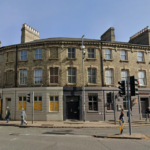
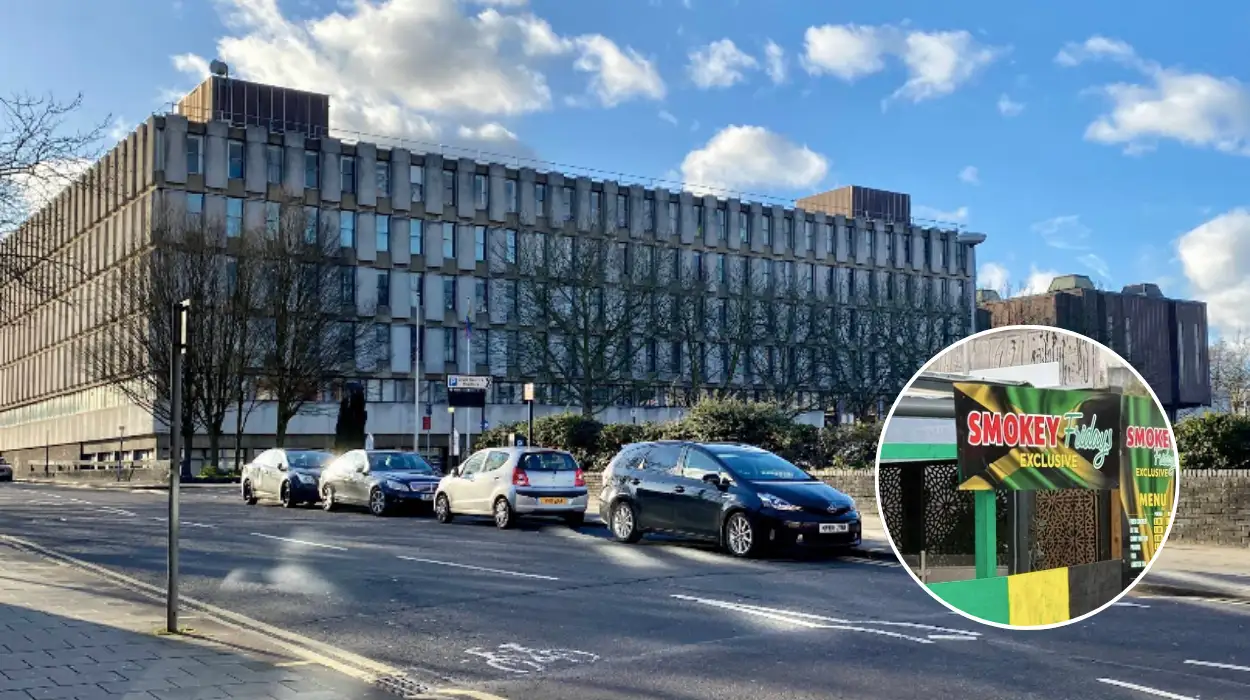
- Harrow Council has officially approved planning applications submitted by Quintas Homes to demolish an existing building situated at 382–384 Station Road in Harrow-on-the-Hill.
- The site is currently occupied by Smokey Fridays, a popular Jamaican restaurant delivering authentic Caribbean food and culture to the local community.
- The approved redevelopment plan involves constructing a brand-new seven-storey residential and commercial block comprising 12 private flats (one one-bedroom, ten two-bedroom, and one three-bedroom apartments) alongside ground-floor commercial space.
- Despite strict guidelines under the London Plan dictating that private developments should deliver 35 per cent affordable housing, the scheme has been green-lit with zero affordable housing units.
- Financial viability assessments commissioned independently by both the developer and Harrow Council demonstrated that the project would operate at a severe loss—anticipating commercial deficits ranging between £353,000 and £678,240—even when completely dedicated to market-rate housing.
- Christopher Perdue, the owner of the nearby Trinity Bar which operates until 4 am, fiercely objected to the scheme, warning that placing residential flats merely 30 feet away from a vibrant late-night music venue threatens the local night-time economy and risks future noise complaints.
- Committee members and local councillors also raised serious misgivings concerning the building’s imposing height and the complete absence of on-site children’s play space, though attempts to block the proposal ultimately failed.
London (The Londoner News) July 23, 2026 — Controversial plans to bulldoze a staple North London Caribbean eatery to clear the path for a towering seven-storey residential block carrying zero affordable housing provisions have officially been signed off by local planning authorities.As reported by Grant Williams, a local democracy reporter for My London, Harrow Council granted formal approval for Quintas Homes to demolish the current low-rise building at 382–384 Station Road in Harrow-on-the-Hill. The site currently houses Smokey Fridays, an active Jamaican restaurant that serves as a cultural and culinary hub in the borough.
The newly endorsed scheme will erase the existing structure to construct a dense, seven-storey complex housing 12 private apartments and ground-floor commercial space. According to architectural briefs and planning documents, the residential layout will consist of one one-bedroom flat, ten two-bedroom flats, and a single three-bedroom apartment. While the developer maintains that the brownfield location offers a prime opportunity to modernise the local streetscape, the decision has ignited fierce debates over housing policy, urban viability, and the protection of local night-time businesses.
Why Was Zero Affordable Housing Approved for the Development?
The approval has cast a harsh spotlight on urban planning regulations and housing targets across the capital. Under the parameters laid out in the London Plan, private residential developments are typically mandated to deliver 35 per cent affordable housing. However, this development has bypassed those quotas entirely, yielding precisely zero affordable homes.
As detailed by Grant Williams of My London, comprehensive financial viability assessments commissioned independently by both Quintas Homes and Harrow Council revealed stark economic barriers.
The evaluations concluded that the project was economically unviable under standard affordable housing contributions, predicting massive commercial losses stretching between £353,000 and £678,240 even if the entire building was designated for 100 per cent private market housing.
Addressing the controversial financial shortfall, council officers noted in official reports, as cited by My London:
“Questions could be raised regarding why a development which is not viable by a significant quantum would be considered appropriate for development. It is considered that this is not the preserve of the [council] to determine this matter, ultimately if a development is to be built at a loss, then this is a business decision for the applicant and not a planning matter in isolation.”
Despite subsequent attempts by committee members to reject the proposition based on the zero-affordable metric and the scale of the building, the motions failed. Highlighting the legal limitations faced by local authorities, Planning Committee Chair Councillor Marilyn Ashton conceded during deliberations, as reported by My London:
“It’s a shame that there should be some affordable because it’s over 10. But I can’t see how we’re going to get enough affordable homes built,”
adding that she could not find a sustainable planning reason to refuse the proposal that would withstand an official appeal.
What Threats Does the Project Pose to the Local Night-Time Economy?
Beyond the financial and socio-economic debates surrounding housing delivery, the project faced heavy opposition from neighbouring business operators who fear the development will fundamentally compromise the character and operational freedom of Harrow’s vibrant evening economy.
At the centre of these concerns is the historic Trinity Bar, a popular music venue situated mere feet away from the development site, licensed to stay open until 4 am. Christopher Perdue, the owner of Trinity Bar, delivered a powerful objection statement directly to the planning committee.
As reported by My London, Mr Perdue stated:
“The proposed residential flats are located directly within what one could call the West End of Harrow – an area of numerous late-night bars, restaurants, takeaways and Trinity. […] The music venue will be 30ft from the door of any new development on this site.”
Mr Perdue further elaborated on the inherent contradictions of injecting residential zoning into a heavy entertainment district, warning:
“The location is already subject to high levels of noise from customers leaving the premises, conversations, music, vehicle movements, deliveries and general late-night activity. Introducing new residential accommodation in this environment is likely to result in an unacceptable living environment for future occupants and may subsequently lead to complaints regarding noise and disturbance.”
Local business advocates echoed these warnings, noting that future resident friction could eventually threaten the long-term viability of the music venue, marking a major cultural loss for the borough.
Explore More North London News
Harrow Council Housing Complaints Rise in Harrow 2026
Best Kept Secret Park Wins Green Flag in Brent 2026
How Are Planners Addressing Noise and Amenity Concerns?
In response to the sharp pushback from nightlife operators and committee members, council officers and representatives for the developer moved to alleviate fears regarding future operational friction.
Harrow Council officers stated that robust planning conditions must be rigorously enforced to ensure the new development respects existing businesses and prevents future conflicts with Trinity Bar and other surrounding late-night venues.
Defending the placement of the flats, the planning agent acting on behalf of Quintas Homes responded to criticisms by arguing that this specific stretch of Station Road already features an established residential presence where homes and night-time businesses “co-exist successfully”.
The agent maintained that the new development is ideally tailored for urban citizens actively seeking the dynamic lifestyle of a bustling town centre.
To substantiate these claims, the developer pointed to an independent acoustic assessment submitted alongside the blueprints.
The assessment concluded that with comprehensive mitigation measures integrated into the build—including high-performance acoustic glazing, mechanical ventilation systems eliminating any operational need to open windows for cooling, and a carefully structured internal layout—the overall impact of ambient night-time noise on future residents would be negligible.
What Provisions Have Been Made for Families and Children?
In addition to the lack of affordable housing, the development has drawn scrutiny for failing to supply adequate family-friendly infrastructure on-site.
Under standard regional guidelines set out in the London Plan, residential developments of this magnitude are required to bolster opportunities for play and informal recreation, particularly for young children. However, due to severe spatial constraints on the tight brownfield plot, the project includes zero on-site children’s play space.
To compensate for this omission, planning agreements dictate that Quintas Homes will provide a modest off-site financial contribution amounting to £1,520.
According to council documentation highlighted by My London, this targeted funding will be channelled toward improving and upgrading existing and future play spaces designated for older children within the immediate surrounding locality.
Town planners ultimately defended the overarching framework of the application, asserting that the initiative successfully recycles underutilised brownfield land within a designated metropolitan centre.
While councillors expressed deep reservations regarding the aesthetic imposition of a seven-storey building in Harrow-on-the-Hill and the zero-affordable outcome, the absence of viable legal grounds for refusal ultimately cleared the path for construction to proceed.