

Key Points
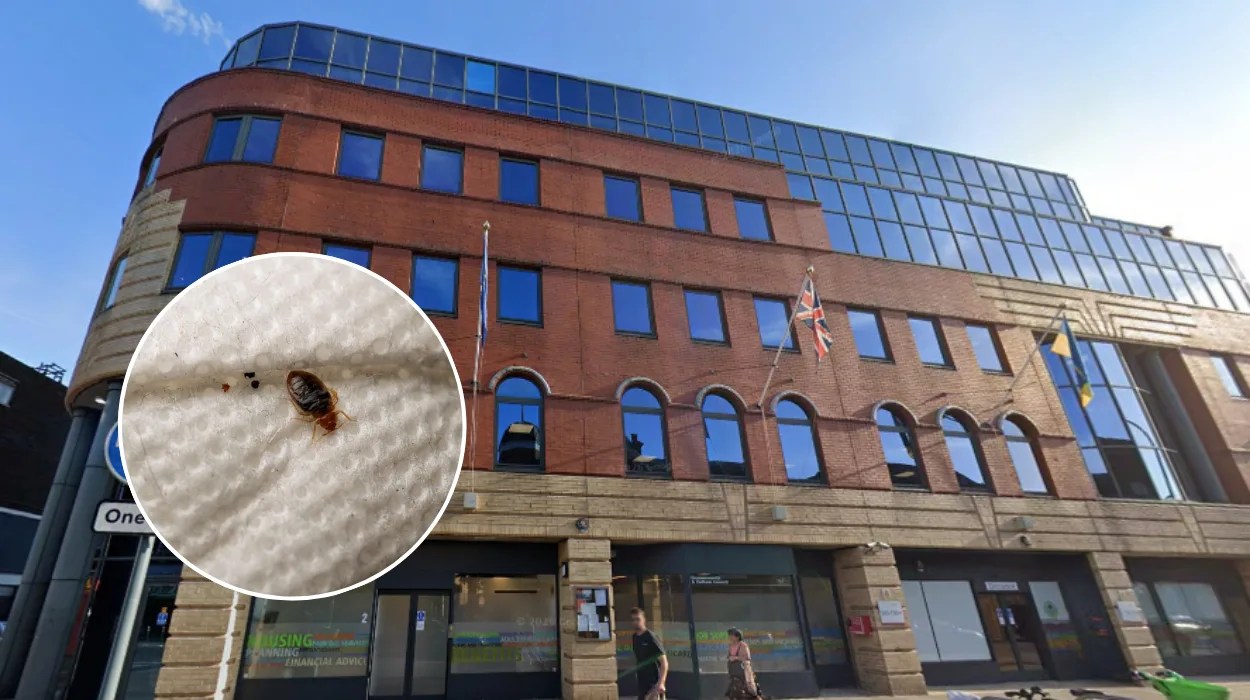
- Severe Infestation: A Hammersmith and Fulham Council tenant was forced to sleep in his kitchen for over two years to escape an out-of-control bed bug infestation in his home.
- Extreme Protective Measures: To protect himself from being bitten while trying to rest, the resident resorted to wearing thick socks and protective gloves every night.
- Severe Health Impact: The mental and physical toll of the prolonged ordeal forced the resident’s general practitioner to prescribe sleeping tablets to cope with the stress and exhaustion.
- Ombudsman Intervention: Following an investigation, the Housing Ombudsman ruled that the local authority displayed a severe “lack of empathy,” causing the resident significant distress and inconvenience.
- Council Apology and Overhaul: Hammersmith and Fulham Council admitted its handling of the case fell far below expectations and has initiated a major review of its pest control and housing complaint procedures.
London (The Londoner News) June 17, 2026 – A vulnerable tenant living within the London Borough of Hammersmith and Fulham was forced to abandon his bedroom and spend two years sleeping on his kitchen floor after a severe bed bug infestation completely overwhelmed his property. Details emerging from an official independent watchdog investigation have revealed that the resident felt compelled to sleep in his kitchen wearing thick winter socks and protective gloves in a desperate attempt to create a barrier between his skin and the biting insects.
- Key Points
- Why Did the Housing Ombudsman Criticise Hammersmith and Fulham Council?
- How Did the Council Handle the Infestation Enquiries Raised by the Tenant?
- What Actions Are Being Taken to Overhaul Local Authority Housing Services?
- How Will the New Council Review Prevent Similar Housing Failures?
- What Are the Broader Implications for Public Housing Providers Across London?
The tenant repeatedly raised urgent concerns regarding the rapidly deteriorating state of his tenancy with municipal housing officers. However, his pleas for systemic fumigation were met with administrative delays and ineffective interventions, leaving him trapped in an uninhabitable domestic environment. The prolonged exposure to the insects, combined with the psychological distress of losing the use of his living and sleeping spaces, ultimately forced the resident to seek medical intervention. His general practitioner subsequently prescribed a course of clinical sleeping tablets to alleviate the acute insomnia and psychological trauma stemming directly from the unresolved housing crisis.
Why Did the Housing Ombudsman Criticise Hammersmith and Fulham Council?
Following an exhaustive assessment of the administrative records, the Housing Ombudsman issued a severe reprimand to the local authority, detailing systemic failures in how the tenant’s case was managed. The independent body’s official report, published in June 2025, formally determined that the council had exhibited a profound “lack of empathy” towards the resident’s ongoing plight, actively compounding an already volatile situation.
The Ombudsman’s investigation concluded that the local authority’s sustained delays and fractured communication channels directly caused the resident “significant stress and inconvenience.” Legal and housing investigators noted that instead of deploying an aggressive, coordinated pest eradication strategy immediately upon receiving the initial reports, the council allowed the administrative process to drag on for more than two years. This failure to grasp the human impact of the infestation meant the tenant was left isolated in a decaying environment, forcing an independent third party to intervene to guarantee basic human decency in public housing.
Explore more West London News:
Madonna Confessions II Film Unites Kate Moss and Cumberbatch: London 2026
Hillingdon Council Approves Disputed Cul-de-Sac Housing Scheme: Yeading 2026
How Did the Council Handle the Infestation Enquiries Raised by the Tenant?
The investigative findings paint a highly critical picture of the internal complaint procedures within Hammersmith and Fulham’s housing directorate. According to chronological casework files reviewed during the inquiry, the resident spent more than two years consistently lodging formal complaints, sending electronic correspondence, and placing phone calls to report that the localized treatments were failing to curb the spread of the insects.
Rather than escalating the matter to senior management or exploring alternative temporary accommodation for the resident while the entire structure was thoroughly treated, front-line housing services continuously mismanaged the log of enquiries. The Ombudsman noted that the council failed to recognize the cumulative impact of the failed treatments, treating each contact as an isolated incident rather than an escalating municipal emergency. This administrative disconnect resulted in the tenant spending hundreds of nights on a hard kitchen floor, relying on heavy clothing items to prevent nocturnal insect bites.
What Actions Are Being Taken to Overhaul Local Authority Housing Services?
In the immediate wake of the critical Ombudsman ruling, senior leaders at Hammersmith and Fulham Council have moved to implement widespread structural changes. The municipal authority has formally accepted the external findings, admitting unreservedly that the timeline and methods utilized to address the resident’s housing emergency fell unacceptably short of both statutory obligations and corporate expectations.
The council has launched an internal governance review designed to completely restructure how housing officers interact with complex estate maintenance issues and pest infestations. Moving forward, the local authority has committed to implementing specialized training programs for customer-facing staff to ensure that expressions of vulnerability and medical distress—such as those involving prescribed sedation due to sub-standard housing conditions—are immediately escalated to fast-track intervention teams.
How Will the New Council Review Prevent Similar Housing Failures?
The newly announced municipal review focuses heavily on shifting the council’s housing framework from a reactive model to a proactive, empathetic service pattern. Housing directors have promised to overhaul the tracking of long-term, unresolved tenant grievances, ensuring that no single household can be left adrift in administrative loops for years at a time.
Furthermore, the local authority is updating its operational partnerships with contracted pest control firms to ensure that aggressive, multi-stage eradications are deployed rapidly when initial localized sprays prove ineffective against resilient infestations. The council has pledged to establish stricter internal performance benchmarks, which will be audited regularly to guarantee that future complaints regarding property habitability are resolved transparently, compassionately, and within a fraction of the time observed in this specific case.
What Are the Broader Implications for Public Housing Providers Across London?
This case serves as a stark warning to social housing providers across the capital regarding the legal and moral necessity of maintaining robust, empathetic maintenance frameworks. With municipal budgets facing unprecedented strains, the Ombudsman’s definitive ruling underscores that financial pressures cannot be used as a shield to justify leaving vulnerable citizens in hazardous or deeply degrading living arrangements.
Housing advocates and legal experts across Greater London are increasingly calling for stricter enforcement of tenant rights and faster oversight mechanisms. The revelation that a resident was left to sleep in protective gear inside his own kitchen for two years highlights a critical need for local authorities to actively listen to tenants, recognize the severe mental health intersection with property neglect, and implement immediate emergency rehousing protocols when domestic spaces become structurally or biologically compromised.