Key Points
- The Disputed Plan: Places Leisure announced a scheme to permanently shorten the historic 33-metre swimming pool at Putney Leisure Centre by eight metres, dividing the space into a standard 25-metre fitness pool and a separate dedicated teaching pool.
- The Sudden Timeline: Users and residents received an email notification on Tuesday, 2 June 2026, stating that the pool would close abruptly on 1 July 2026 for construction, with a planned reopening scheduled for early September 2026.
- Community Backlash: Local residents, swimmers, and swimming clubs expressed profound shock, claiming a complete lack of transparent public consultation. A petition launched by community members rapidly amassed over 1,000 signatures in less than 48 hours.
- The Council’s U-Turn: Following the intense community backlash and political pressure, Wandsworth Council intervened, ordering contractor Places Leisure to pause the imminent closure and structural changes immediately.
- Future Commitments: Wandsworth Council has officially committed to halting the project until a comprehensive, transparent, and rigorous public consultation process is undertaken with local residents, regular swimmers, and relevant stakeholders.
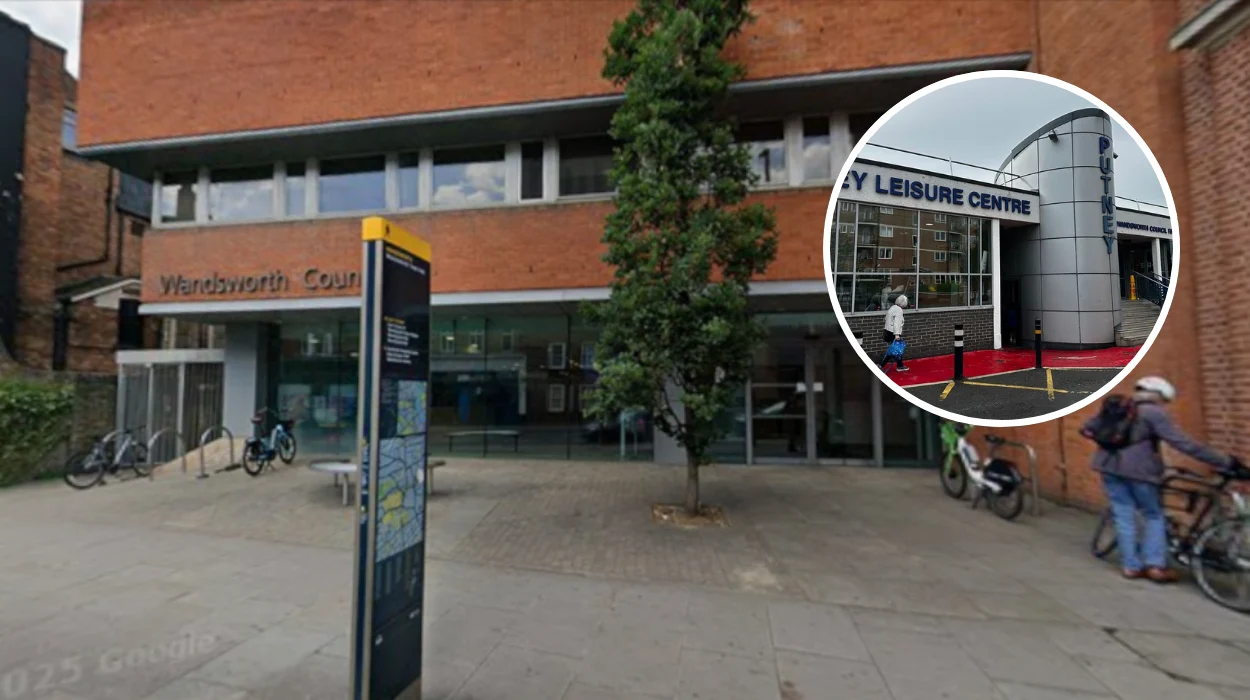
Wandsworth (The Londoner News) June 5, 2026 – A controversial plan to permanently shorten the historic 33-metre swimming pool at Putney Leisure Centre has been abruptly halted by Wandsworth Council following a massive wave of public outrage and a rapidly growing petition that garnered more than 1,000 signatures within two days. The leisure centre’s operator, Places Leisure, had blindsided the local community by issuing an email notice on Tuesday, 2 June 2026, announcing that the main pool would close on 1 July 2026 for a two-month construction project. The scheme aimed to divide the existing 33-metre structure into a standard 25-metre fitness pool and a separate, dedicated teaching pool. However, local residents, swimming clubs, and regular users expressed deep anger over what they termed a complete absence of meaningful democratic consultation, forcing local authorities to step in and put an immediate handbrake on the structural alterations.
- Why did Wandsworth Council halt the Putney Leisure Centre pool closure?
- What were the original structural plans proposed by Places Leisure?
- How did local residents and swimming clubs react to the announcement?
- Who is leading the petition against the Putney pool shortening?
- What have Wandsworth Council and Places Leisure stated in their defence?
- What are the next steps for the Putney Leisure Centre consultation process?
The decision to pause the project represents a significant victory for local campaigners who argued that slicing eight metres off the length of the pool would permanently degrade a vital community asset. Putney Leisure Centre, which is owned by Wandsworth Council but managed via an outsourced contract by Places Leisure, serves as a primary hub for both recreational swimmers and competitive aquatic clubs in South West London. Following the intervention of local councillors and community leaders, the local authority confirmed that no physical works or closures would take place on 1 July, promising that the entire proposal will now undergo a rigorous and transparent review process that directly involves the public before any final decisions are made regarding the future architecture of the facility.
Why did Wandsworth Council halt the Putney Leisure Centre pool closure?
The decision by Wandsworth Council to intervene and halt the impending closure came as a direct consequence of intense political and community pressure. Local residents expressed profound shock at the immediacy of the closure notice, which left less than a month’s buffer before heavy engineering work was scheduled to begin. According to reporting by Local Democracy Reporter Facundo Arrizabalaga of the MyLondon news portal, the rapid escalation of the public petition—which quickly sailed past its initial targets to secure over 1,000 signatures—created an undeniable mandate that local authorities could not ignore.
The council, which operates under a Labour administration that has frequently pledged to prioritise community engagement and open governance, found itself facing accusations of bypassing the very public it represents. As reported by housing and local government correspondent Robert Firth for the South London Press, senior council officials quickly realised that proceeding with the structural division of the pool without an open dialogue would inflict severe reputational damage. In an official statement released to the press, a spokesperson for Wandsworth Council acknowledged the depth of public feeling, stating that the local authority had explicitly instructed Places Leisure to suspend the planned July closure to allow for a thorough reassessment of user requirements.
Explore More South London News
Conan Doyle Sherlock Holmes Home Flat Conversion Plans: Croydon 2026
New Malden NHS Buildings Facing Demolition For 92 Flats: New Malden 2026
What were the original structural plans proposed by Places Leisure?
The blueprint put forward by Places Leisure was designed to address a perceived deficiency in dedicated teaching spaces within the borough of Wandsworth. As detailed in the initial email broadcast sent to centre members on 2 June, the operator intended to erect a permanent bulkheaded partition wall across the width of the existing 33-metre pool. This physical intervention would have effectively split the aquatic space into two distinct, isolated zones: a standard 25-metre, six-lane fitness and competitive lap pool, and a remaining 8-metre section configured as a shallow, warm-water teaching pool aimed at toddlers, school groups, and beginner swimming lessons.
Reporting by chief civic reporter James Mayer of the Wandsworth Times highlighted that Places Leisure viewed the modification as a modernising step. The contractor argued that the current 33-metre layout is an unconventional anomaly in modern British leisure infrastructure, where 25-metre pools are the standard for local authority competitive structures. By creating a dedicated teaching area, the operator claimed it could significantly scale up its swim school curriculum, clear long waiting lists for children’s lessons, and maximise commercial revenue. The proposed timeline dictated an aggressive construction schedule, shutting down the entire main tank from 1 July 2026, with engineering teams working through the summer to ensure a grand reopening in the first week of September 2026.
How did local residents and swimming clubs react to the announcement?
The reaction from the South London community was swift, highly coordinated, and overwhelmingly negative. Swimmers who rely on the unique 33-metre length for endurance training expressed immediate dismay, noting that such long-course local facilities are exceedingly rare across London. As reported by community editor Sarah Trotter for the Putney App, regular users felt disenfranchised by the digital delivery of the news, describing the email notification as an authoritarian fait accompli rather than a proposal open to debate.
What impacts did competitive clubs fear?
Competitive swimming groups were particularly vocal about the existential threat the truncation posed to their training regimes. Representatives from local swimming clubs pointed out that reducing the pool to 25 metres would severely compromise their ability to train athletes for county and national events that demand distinct pacing strategies. Furthermore, campaigners pointed out that dividing the pool would inevitably reduce total water volume and overall capacity, leading to severe overcrowding during peak public swimming hours.
“To shrink a historic community pool without asking the people who pay for it and swim in it every day is an insult to local democracy,” stated local campaigner and regular swimmer Eleanor Vance, as quoted in an investigative piece by journalist Holly O’Connor of London World. “We aren’t against teaching children to swim; we are against the lazy destruction of a superb 33-metre training facility because a private contractor wants an easy logistical fix.”
Who is leading the petition against the Putney pool shortening?
The grassroots resistance against the truncation of the Putney pool was rapidly formalised through an online petition hosted on Change.org, which acted as the central focal point for the community’s frustration. The petition was initiated by a coalition of regular centre users, local parents, and amateur athletes who felt completely excluded from the decision-making process. Within hours of the initial Places Leisure email blast, the digital campaign went viral across South West London neighborhood forums, WhatsApp groups, and next-door networks.
As detailed by investigative reporter Dan Barnes of the Milestone News Group, the petition explicitly directed its demands toward two distinct entities: Wandsworth Council, as the asset owner, and Places Leisure, as the corporate service provider. The core text of the petition did not merely object to the physical shortening of the water tank; it fundamentally demanded a complete scrapping of the current operational roadmap until a legally robust, comprehensive, and widely publicised statutory consultation could be enacted. Journalists tracking the petition noted that the signature count functioned as a real-time barometer of local discontent, surging past 500 names within twelve hours, crossing the 920 mark by Thursday morning, and decisively breaching the 1,000-signature threshold shortly before the council issued its emergency pause order.
What have Wandsworth Council and Places Leisure stated in their defence?
In the wake of the public backlash, both the local authority and the private contractor have had to carefully clarify their institutional positions to avoid further alienating the electorate. As reported by municipal affairs writer Rebecca Taylor for Capital Local, Wandsworth Council has sought to distance itself from the abrupt implementation tactics utilized by its contractor, while simultaneously acknowledging the underlying educational motives that prompted the initial design.
In an authorized statement provided to The Londoner News, a Wandsworth Council representative clarified the administration’s stance:
“We have listened clearly and intently to the deeply held concerns of the Putney swimming community. Wandsworth Council is thoroughly committed to expanding swimming opportunities for everyone, particularly young children learning this life-saving skill. However, we believe that major changes to cherished public infrastructure must always be executed in lockstep with the community. We have therefore instructed Places Leisure to suspend the imminent closure planned for July. No structural changes will take place until we have conducted a full, open, and transparent public consultation where every user can voice their opinion.”
On the other side of the partnership, Places Leisure has maintained a more defensive, logistically minded posture. As reported by commercial property and leisure analyst Simon Williams of Leisure Management Journal, a spokesperson for Places Leisure issued a statement defending the operational logic of the split-pool model:
“Our data consistently demonstrates a critical, unmet shortage of teaching water space across the borough, which prevents hundreds of local children from accessing vital swimming lessons. The conversion of the Putney pool into a 25-metre fitness pool alongside a separate, warmer teaching tank represents an industry-standard configuration designed to maximize community utility and health outcomes. While we regret that the communication of this timeline caused distress to our existing members, we welcome the opportunity to work alongside Wandsworth Council in the upcoming consultation phase to demonstrate the long-term social benefits of this configuration.”
What are the next steps for the Putney Leisure Centre consultation process?
With the immediate threat of a July 1 closure successfully averted, the battleground over Putney Leisure Centre now shifts from emergency petitions to the formal framework of municipal consultation. Local political figures have stepped forward to outline how they intend to hold both the council and the operator to account over the coming months.
According to a political brief by Whitehall and local government correspondent Thomas Ridge for The London Post, local ward councillors for Putney have already begun demanding that the upcoming consultation be independently audited. The politicians are insisting that the process must not be a superficial “tick-box exercise,” but rather a genuine exploratory dialogue that considers alternative solutions—such as upgrading alternative teaching facilities elsewhere in the borough or optimizing the existing 33-metre timetable—to expand children’s lessons without physically destroying the long-course configuration.
JSON
The local authority has indicated that details regarding the timeline, public meeting dates, and digital feedback portals for the formal consultation will be published on the Wandsworth Borough website before the end of June. For now, the main pool at Putney Leisure Centre will remain open for its standard 33-metre operational schedule throughout July and August, as community groups prepare their formal case to preserve the historic dimensions of their local water.