Key Points
- Urban Transformation: Askew Road in Shepherd’s Bush has successfully shed its historic reputation as a “scuzzy” and run-down area to emerge as a highly sought-after, affluent enclave frequently referred to as “Askew Village”.
- Strong Community Spirit: Long-term residents and local workers describe a close-knit, welcoming community atmosphere where independent businesses supporting one another operate like a “big family”.
- Gentrification Drive: The area has seen a notable influx of privately owned independent retailers, boutique cafés, patisseries, artisan butchers, and bookshops, serving as a textbook example of London gentrification.
- Pet-Friendly Culture: The neighbourhood has established an incredibly welcoming environment for dog owners, with local retailers and cafés routinely providing treats, making it a firm favourite for pet lovers.
- Preserved Architecture and Green Spaces: Askew Road retains structural character through beautiful period properties, Victorian buildings, grand mansion blocks, and Georgian villas, supported by immediate access to several major parks.
- Connectivity Advantages: Despite its quiet, distinct village identity, the high street maintains exceptional transport connections to Central London via multiple nearby Underground lines.
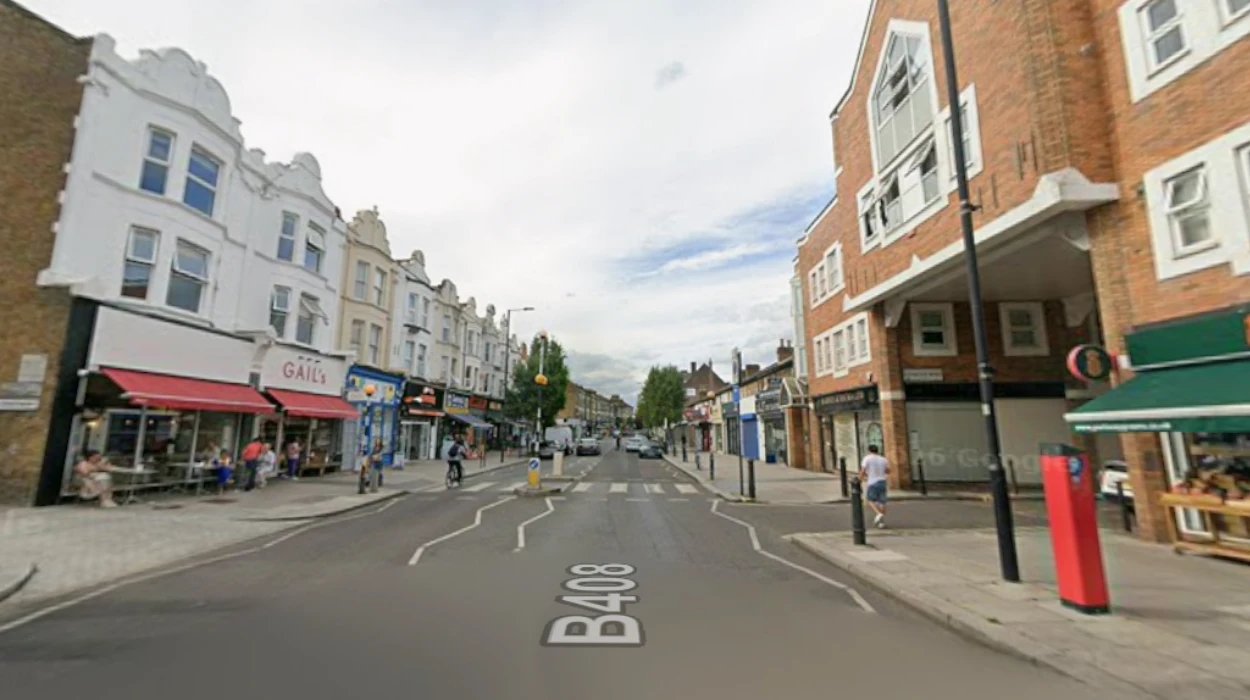
Shepherd’s Bush (The Londoner News) June 13, 2026 – A historic West London neighbourhood has successfully completed an urban transformation, shedding its old reputation as a run-down and “scuzzy” thoroughfare to become a highly coveted enclave now widely known as “Askew Village”. Tucked away within the broader, bustling district of Shepherd’s Bush, Askew Road has evolved into an exceptional pocket of the capital that seamlessly blends the quiet charm of traditional village life with superb, rapid transport connections into Central London. Once known historically as Gaggle Goose Green, the modern high street has become a thriving hub packed with independent traders, boutique cafés, specialty restaurants, and characterful period properties. This dramatic shift has turned the area into an intensely sought-after hotspot for young professionals and growing families alike, who are drawn to its unique architectural character, extensive green spaces, and unusually fierce sense of local community.
- Key Points
- Why Is Askew Road Being Hailed as a West London ‘Village’?
- How Do Long-Term Residents View the Area’s Changing Reputation?
- Is Askew Road the Perfect Example of London Gentrification?
- What Is the Driving Force Behind the ‘Big Family’ Community Spirit?
- Why Do Dog Owners Consider Askew Village a Haven?
- How Do Local Hospitality Businesses Nurture Community Connections?
- What Role Does Word-of-Mouth Play in Local Business Success?
- How Do Green Spaces and Transport Links Balance Urban Life?
Why Is Askew Road Being Hailed as a West London ‘Village’?
The transition of Askew Road from a neglected London street into a flourishing community hub represents a profound structural and social evolution. Local commerce has shifted dramatically away from the generic retail formulas often seen on major thoroughfares, moving instead toward a highly curated ecosystem of independent traders. The high street is currently populated by artisanal patisseries, traditional butchers, independent bookshops, and specialist boutiques, allowing it to satisfy virtually all the daily lifestyle needs of its population internally.
This self-contained commercial environment fosters a high degree of daily social interaction, mimicking the atmospheric conditions of a rural village rather than an inner-city London corridor. Architecturally, the road retains an aesthetic continuity that separates it from modern, high-rise developments elsewhere in the capital. The visual landscape is defined by substantial Victorian buildings, grand multi-storey mansion blocks, and impressive, standalone Georgian villas. While a significant portion of these historic structures have been masterfully converted into modern apartments to meet the housing demands of young professionals, their external period features have remained intact, preserving a distinct sense of historic permanence and old-world character.
Explore More West London news
University of West London Students Tour Educational Musical: Ealing 2026
Hillingdon Council Pays £500k ULEZ Fees: West London 2026
How Do Long-Term Residents View the Area’s Changing Reputation?
The transformation of Askew Road did not materialise overnight, and for those who have observed its trajectory over multiple decades, the current state of prosperity stands in sharp contrast to its historical problems. Long-time inhabitants remember a period when the locality was marked by a distinctly rougher edge, suffering from visual neglect and a lack of economic investment.
As reported by content editor Will Twigger and video reporter Ines Santos of MyLondon, local resident Sonya, who lives directly on Askew Road, reflected openly on this profound historical shift. Sonya stated that
“the area is great; it’s got a nice community, it is very green, the houses are lovely. Some of us are lucky to have gardens.”
However, she did not shy away from addressing the neighbourhood’s less glamorous past, adding further context to its evolution. As reported by Will Twigger and Ines Santos of MyLondon, Sonya stated that
“but this area used to be quite scuzzy. Now, it’s got interesting shops and cafés. The traffic is still bad, but generally speaking, I think it’s a lot better.”
This duality highlights the reality of urban renewal: while infrastructure, aesthetics, and safety have improved fundamentally, practical metropolitan challenges like traffic congestion remain persistent issues for those living along the main arterial route.
Is Askew Road the Perfect Example of London Gentrification?
The socio-economic restructuring of the neighbourhood is viewed by many as a textbook study in urban gentrification, a process that continues to reshape residential and commercial spaces across the capital. The influx of private capital and higher-income residents has fundamentally altered the commercial landscape, replacing old economic models with premium, specialized independent businesses.
As reported by Will Twigger and Ines Santos of MyLondon, lifelong resident Thomas Salihi noted the clear macroeconomic forces that have altered his home surroundings. Salihi stated that
“I think Shepherd’s Bush as a whole has definitely become gentrified over the years. Askew Road is a perfect example of that.”
Rather than viewing this transition with skepticism, many locals see the rise of independent entrepreneurship as a major benefit to the daily livability of the area. As reported by Will Twigger and Ines Santos of MyLondon, Thomas Salihi further stated that
“there are more privately owned businesses now, which I think is always a good thing. The community is lovely and everyone is very friendly.”
This perspective suggests that, on Askew Road, gentrification has managed to foster economic growth without sacrificing the fundamental human connections that keep a neighbourhood grounded.
What Is the Driving Force Behind the ‘Big Family’ Community Spirit?
At the core of Askew Road’s modern appeal is an inclusive culture that extends to residents, commercial workers, and visitors alike. Local business operators report that their consumer base is overwhelmingly composed of dedicated regulars, which builds a reliable and deeply personal network of mutual support.
As reported by Will Twigger and Ines Santos of MyLondon, Nithin Francs, an employee at the prominent local supermarket Parkway Greens, spoke highly of the area’s welcoming atmosphere. Francs stated that “the community is really like a big family – everyone is very settled here. And the customers we get are always so friendly!”
This sentiment of deep-rooted stability is echoed across the high street’s service sector, where businesses do not merely compete for market share, but actively collaborate to maintain the high street’s collective appeal. This commercial solidarity ensures that the economic benefits of the area’s gentrification are shared widely among the traders who anchor the community.
Why Do Dog Owners Consider Askew Village a Haven?
An unexpected but highly defining characteristic of Askew Road’s village identity is its exceptional, widespread embrace of canine culture. The high street has systematically adapted to the lifestyle choices of pet owners, turning standard daily errands into an interactive, community-wide experience for domestic animals.
As reported by Will Twigger and Ines Santos of MyLondon, local resident Rishi Pabary, who was interviewed while walking his dog through the neighbourhood, detailed the unique pet-friendly dynamics of the high street. Pabary stated that
“lots of places give treats to dogs everywhere. We’ve been out with her today and she’s had treats from about eight different places. Everywhere we go, she pulls us into shops now just to get treats. It’s very friendly here.”
This widespread practice among local shopkeepers serves as a highly effective organic marketing tool, drawing residents into commercial spaces and breaking down the traditional, transactional barriers between retailers and the public.
How Do Local Hospitality Businesses Nurture Community Connections?
The hospitality establishments along Askew Road function less like commercial fast-casual outlets and more like communal living rooms, where social bonds are forged and reinforced daily over food and drink.
As reported by Will Twigger and Ines Santos of MyLondon, Lisa Corrigan, the manager of Detour, a highly popular local brunch café, confirmed that catering to the area’s pet population is an intentional element of their hospitality model. Corrigan stated that
“we’ve got dog treats on the table over there. All the fluffy little friends come to say hello.”
Beyond the novel appeal of welcoming animals, Corrigan emphasized that the deep commercial success of the area relies on a symbiotic relationship between independent operators and local residents. As reported by Will Twigger and Ines Santos of MyLondon, Lisa Corrigan stated that
“the community loves the business, and we have lots of regulars who come for coffee every single day. The brunch menu is really popular.”
Furthermore, she highlighted how the commercial ecosystem on the street thrives on internal cooperation rather than aggressive rivalry. As reported by Will Twigger and Ines Santos of MyLondon, Lisa Corrigan added that “all the businesses on the street support one another, which makes it a lovely community to work in.”
What Role Does Word-of-Mouth Play in Local Business Success?
The economic viability of Askew Road’s commercial sector is heavily insulated and driven by an incredibly powerful internal communication network among local families. This hyper-local word-of-mouth culture allows new independent ventures to establish an immediate, loyal consumer base without relying on traditional advertising channels.
As reported by Will Twigger and Ines Santos of MyLondon, sisters Dannie and Carrie, who chose to put down deep roots in the neighbourhood by establishing their own independent hairdressing and beauty salon directly on the road, spoke to the rapid growth of the area’s reputation. Carrie McInerney stated that
“Askew has changed a lot, which is good. It used to be quite run down, but they call it Askew Village now! Everywhere in London is coming up at the moment.”
McInerney also shed light on the highly organized, digital social networks that drive local commerce and keep families interconnected. As reported by Will Twigger and Ines Santos of MyLondon, Carrie McInerney stated that
“our main clientele are mums at the schools – everyone talks about us. Today, we had a mum who was recommended through her mummy’s WhatsApp group. I love the community here!”
How Do Green Spaces and Transport Links Balance Urban Life?
The long-term sustainability of Askew Road’s appeal relies heavily on its unique geographical positioning, which pairs idyllic, green surroundings with high-speed transport infrastructure. For residents seeking recreation, outdoor pursuits, or simple leisure walks, the neighbourhood sits within easy walking distance of several of West London’s most celebrated public parks, including Acton Park, Wendell Park, and the expansive Ravenscourt Park.