

Key Points
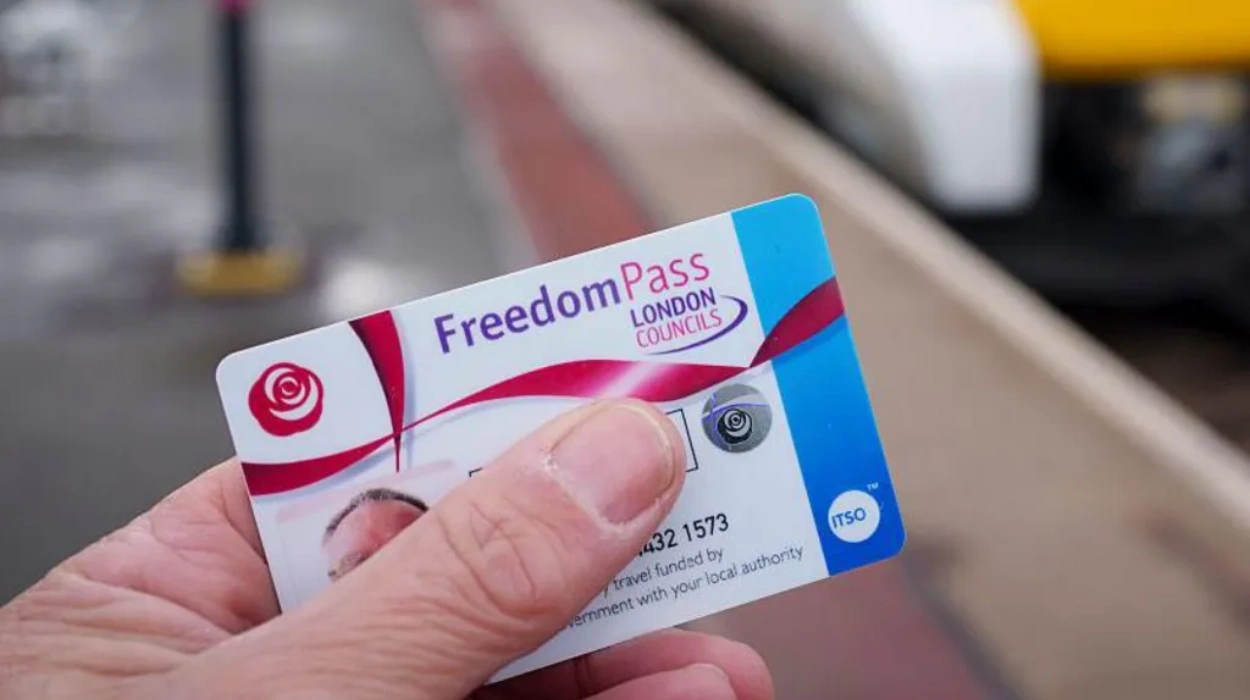
- Proposals Dropped: London Councils has officially shelved a controversial proposal to review the 53-year-old Freedom Pass scheme, confirming that the travel benefit for older residents remains secure.
- Campaign Triumph: The decision comes after an intensive campaign led by Age UK London, alongside an open letter and a petition that garnered tens of thousands of signatures from concerned citizens.
- Original Cost-Cutting Concept: Initial anxieties were triggered in January when the local authority representative body discussed restricting free travel for older people strictly to buses to manage mounting budgetary pressures.
- Vital Transport Lifeline: Advocacy groups emphasize that the pass is an essential lifeline for over-66 Londoners, supporting their mental health, preventing isolation, and facilitating access to essential healthcare.
- Dual-Scheme Framework: While London boroughs directly fund the Older Person’s Freedom Pass, Transport for London (TfL) separately finances the 60+ London Oyster card to bridge the gap for residents until they reach statutory eligibility age.
London (The Londoner News) June 18, 2026 – London Councils has officially abandoned its deeply contentious proposals to review the statutory Freedom Pass scheme, a decision that solidifies the future of free public transport for hundreds of thousands of older Londoners across the capital. The cross-party body, which represents all 32 London boroughs and the City of London, confirmed the u-turn following months of escalating public anxiety and coordinated campaigning by age-advocacy groups and local residents. The concession ensures that Londoners aged 66 and over will retain their unrestricted access to the capital’s extensive underground, overground, bus, and tram networks without the threat of immediate cost-cutting restrictions.
- Key Points
- What Triggered the Controversy Over the Freedom Pass?
- How Did Campaigners Mobilise to Protect the Travel Scheme?
- What is the Significance of the Freedom Pass to London’s History?
- Why Do Advocacy Groups Consider the Pass a Vital Lifeline?
- What Are the Next Steps for London Councils and Age UK London?
What Triggered the Controversy Over the Freedom Pass?
The political storm began in January when internal discussions within London Councils were brought to light, revealing that the body was actively exploring avenues to mitigate severe local government funding shortfalls. As municipal budgets across the capital faced unprecedented inflationary pressures and rising social care costs, the representative organization debated a series of drastic fiscal interventions.
Among the most controversial options considered was the limitation of the older person’s concessionary travel rights. Specifically, authority figures debated restricting the Freedom Pass to London’s bus network, thereby eliminating free access to the costlier Tube and rail lines for older residents.
The disclosure of these early-stage discussions sparked immediate alarm among local communities, setting off an aggressive counter-campaign by civic organisations who viewed the proposal as an existential threat to an established piece of London’s social infrastructure. For more than half a century, the pass has operated as a foundational benefit for the city’s aging population, making any suggestion of retrenchment highly volatile.
How Did Campaigners Mobilise to Protect the Travel Scheme?
The response to the proposed fiscal review was swift, organized, and remarkably widespread. Age UK London, a prominent charity dedicated to the welfare of older citizens in the metropolis, immediately stepped forward to spearhead a massive public defense of the transport benefit.
The charity initiated a comprehensive campaign centered around an open letter addressed directly to the leadership of London Councils. This letter demanded an explicit, public commitment from local authorities that the Freedom Pass would remain entirely untouched and fully funded in its current form.
To amplify their message, organizers launched an accompanying public petition. Over the course of several months, the petition galvanized tens of thousands of signatories from every corner of Greater London, quickly accumulating a massive groundswell of signatures that demonstrated the deep emotional and practical value residents place on the pass.
The campaign was explicitly designed to show the unified front of London’s elderly population and their families. As the volume of names on the open letter grew, it became a significant piece of political leverage, ultimately making it politically unviable for borough leaders to advance the review.
Explore more Local London News:
Illegal Israeli Settlement Land Advertised at Real Estate Event: London 2026
London Fire Brigade Urges Water Safety Talks: London 2026
What is the Significance of the Freedom Pass to London’s History?
The concessionary travel scheme holds a deeply rooted position in the social fabric of the capital, having existed for 53 years. Originally established in the early 1970s, the pass has survived multiple waves of economic recessions, sweeping local government reorganizations, and intense political shifts across City Hall and the individual borough councils.
Over its five decades of operation, the pass has evolved from a basic localized travel perk into a comprehensive statutory right, expanding alongside the growth of London’s integrated transport network under Transport for London. For generations of Londoners, reaching the eligible age to receive the pass has been viewed as a major milestone, symbolizing both a reward for decades of civic contribution and an invitation to remain active participants in the life of the city.
Confronting a legacy of that scale proved to be an overwhelming challenge for local authorities. Campaigners frequently pointed to the historical longevity of the benefit as proof of its untouchable status, framing any attempt to alter it as an historic regression in municipal policy.
Who Coordinates and Funds the Freedom Pass?
As reported by journalists covering the regional governance beat for Yahoo News UK, the funding mechanism behind London’s concessionary travel is split across different administrative layers. The Older Person’s Freedom Pass itself is financed collectively by the individual London boroughs, with each local council contributing to cover the costs of its eligible residents using the transport network.
However, this sits alongside a separate but closely linked scheme: the 60+ London Oyster card. While the statutory Freedom Pass kicks in when a resident hits the national retirement age (currently 66), the 60+ card bridges the age gap, offering identical free travel benefits to Londoners from the day they turn 60. Crucially, this secondary scheme is funded entirely by Transport for London out of the Mayor of London’s budget, rather than by the individual local borough councils.
Why Do Advocacy Groups Consider the Pass a Vital Lifeline?
The core argument that eventually forced London Councils to retreat was centered on the profound socioeconomic impacts of removing free rail and Tube access. Advocacy groups argued that the benefit cannot be measured solely as a line item on a balance sheet, as its true value lies in preventing the immense societal costs associated with isolation and poor health among the elderly.
In a public statement detailing the community’s dependence on the scheme, John McGeachy, a senior representative from Age UK London, emphasized the profound daily reliance older residents have on the infrastructure. As reported by BBC London on Thursday, John McGeachy stated that older people relied on the pass every day, asserting further that “the overwhelming response to our open letter shows just how vital this support is.”
What Are the Broad Benefits of Unrestricted Free Travel for Older People?
- Mental Health and Social Inclusion: Unrestricted travel allows older people to easily visit family members, engage in volunteer work, and participate in community clubs, effectively combating the epidemic of loneliness that disproportionately affects urban elderly populations.
- Physical Health and Medical Access: The pass enables cardholders to attend medical appointments across the capital’s vast network of specialized hospitals without facing prohibitive transport costs.
- Economic Security: For retirees living on fixed incomes, particularly amidst an ongoing cost-of-living crisis, the financial relief provided by free transit ensures they do not have to choose between mobility and basic necessities like heating or food.
What Are the Next Steps for London Councils and Age UK London?
With London Councils officially confirming to BBC London that the proposed review has been permanently shelved, the immediate threat to the Freedom Pass has been neutralized. The cross-party body is expected to pivot its financial focus toward alternative strategies to address the structural deficits plaguing borough finances, while leaving concessionary travel intact.
Despite the victory, advocacy groups remain highly vigilant. Age UK London has confirmed that the massive open letter, backed by its tens of thousands of signatures, will still be formally handed over to the leadership of London Councils as scheduled.
This formal handover is intended to serve as a definitive statement of public intent. By delivering the physical manifestation of the campaign, activists hope to establish a clear political boundary, ensuring that any future attempts by local authorities to revive cost-cutting measures targeting the Freedom Pass will be met with immediate, organized resistance.