Key Points
- Hidden Gem Location: Forest Hill, an under-the-radar neighbourhood nestled right beside Lewisham in South London, is celebrated for its distinctive “village vibe,” leafy tree-lined streets, and strong community focus.
- Top Accolade: The area secured significant recognition after being officially crowned as one of the capital’s finest and best places to live in 2024.
- Economic and Footfall Shifts: Despite its prestigious title, small independent business owners are navigating a shifting economic landscape, noting that the area has recently been growing noticeably quieter.
- Diverse Local Sentiment: Interviews with residents reveal high satisfaction regarding the community’s suburban feel, independent retailers, and family-friendly environment, balanced against concerns over rising property costs and heavy traffic congestion.
- Cultural and Transport Pillars: The world-renowned Horniman Museum and Gardens serves as the cultural heart and family anchor of the district, bolstered by high-speed Overground and National Rail connections directly into Central London.
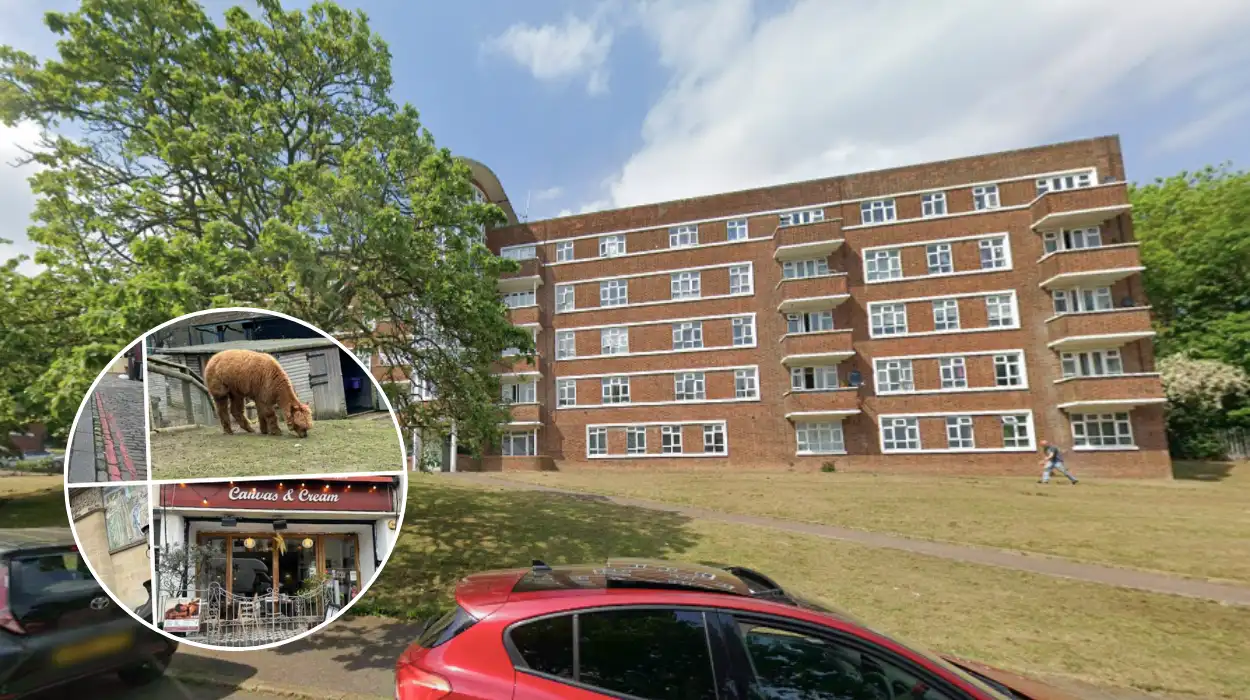
London (The Londoner News) July 4, 2026 – Forest Hill, a picturesque and historic enclave situated directly adjacent to Lewisham, continues to fly under the radar for many Londoners despite being officially recognized as one of the capital’s top residential locations. Characterised by its steep, tree-lined residential avenues, tightly knit local community, and a diverse range of independent commercial shops, this South London suburb is increasingly described by residents as a distinct village operating within the wider metropolis. However, while the area was formally lauded as one of London’s finest places to live in 2024, recent on-the-ground reporting indicates that local independent traders are facing a quieter economic environment, highlighting a subtle disconnect between prestigious media accolades and the day-to-day realities of high street footfall.
- Key Points
- Why Is Forest Hill Considered One of South London’s Best-Kept Secrets?
- What Are Local Business Owners Saying About the Current Economic Climate in Forest Hill?
- How Are Newer Hospitality Ventures Faring Near the Horniman Museum?
- What Do Residents Believe Is the “Jewel in the Crown” of the Area?
- What Are the Main Pros and Cons of Living in Forest Hill According to Locals?
Why Is Forest Hill Considered One of South London’s Best-Kept Secrets?
The physical geography and urban planning of the district play a profound role in its unique charm. Positioned on an elevated ridge that yields sweeping, panoramic views across the wider London basin, the neighbourhood offers an architectural landscape dominated by substantial Victorian and Edwardian villas, interspersed with broad, leafy green spaces. This specific aesthetic contributes heavily to the “village vibe” that separates it from more densely urbanized sections of neighbouring boroughs.
The civic and social life of the area is heavily anchored along Dartmouth Road and London Road, which serve as the primary commercial arteries. On these streets, the traditional fast-paced, anonymous culture typical of modern London is replaced by a slower, more interpersonal dynamic. Local residents frequently pause for impromptu conversations on the pavements, fostering a deep-seated provincial atmosphere that is increasingly rare within Zone 3 of the Transport for London (TfL) network. It is this specific blend of visual tranquility, communal cohesion, and functional infrastructure that historically shielded the area from the intense over-saturation seen in adjacent property markets, preserving its status as an insider secret among South Londoners.
What Are Local Business Owners Saying About the Current Economic Climate in Forest Hill?
While the neighbourhood’s secluded atmosphere is widely praised by those who live there, the economic realities for small-scale independent entrepreneurs tell a more nuanced story. The accolade of being named one of the city’s premier locations has not fully insulated the local high street from broader macroeconomic shifts and changes in consumer footfall. Several long-term traders have observed that the commercial districts have become noticeably quieter over the past couple of years.
As reported by video reporter Ines Santos and content editor Will Twigger of MyLondon, Anna Kokornacka, the operator of the local zero-waste establishment Beetroot and Beans, stated that “having a small business is up and down… But, you know, I love what I do. I love my shop and I know people like being here.”
Kokornacka’s profound personal relationship with the neighbourhood highlights the deep emotional investment that defines many of the area’s independent traders. Having lived in the community for a quarter of a century, her commitment to the high street is so absolute that she has permanently inked the neighbourhood’s initials onto her skin. As detailed by Ines Santos and Will Twigger of MyLondon, Kokornacka further commented: “I live in Forest Hill. I work in Forest Hill and yeah, I’m really quite happy here, very happy. Forest Hill was the first place I came when I moved from Poland 25 years ago – and I’m still here.”
This steadfast loyalty among business owners serves as a critical buffer during leaner economic periods. The presence of highly specialized, community-focused shops like Beetroot and Beans provides the high street with a distinctive character that standard corporate retail chains cannot replicate, reinforcing the suburb’s appeal even as footfall fluctuates.
How Are Newer Hospitality Ventures Faring Near the Horniman Museum?
In contrast to the broader challenges felt across some retail sectors, specific hospitality venues positioned near key cultural landmarks are experiencing robust and sustained growth. The geographic distribution of footfall within the area is heavily influenced by its primary visitor attractions, meaning businesses situated along major pedestrian pathways often benefit from a steady stream of domestic tourists and local families.
According to the reporting compiled by Ines Santos and Will Twigger of MyLondon, the proprietor of The Teapot café—a local business launched in 2020 in close proximity to the museum grounds—insists he would not relocate it elsewhere, stating: “We knew at first it was a great place to be, but it actually turned out to be much better than we thought. Everybody’s been supportive – we’re very happy to be here.”
The establishment has built its success on a targeted menu focusing heavily on fresh breakfast and brunch offerings. Drawing on professional expertise honed at an award-winning smoothie establishment in central London, the owner has integrated high-quality, naturally flavoured beverages into the local culinary scene. As observed directly by the MyLondon editorial team during their site visit, popular items such as the forest berries and banana blend offer a sweet, filling, and entirely natural option that caters directly to the health-conscious demographic that increasingly defines the local population. This successful model demonstrates that when an independent business aligns its offerings with the specific preferences of the resident community, it can thrive despite wider economic headwinds.
What Do Residents Believe Is the “Jewel in the Crown” of the Area?
When assessing the primary cultural and recreational assets of the district, there is a powerful consensus among both long-term inhabitants and relative newcomers. The presence of vast, accessible green spaces coupled with world-class educational institutions elevates the neighbourhood above many of its structural competitors in South East London.
As reported by Ines Santos and Will Twigger of MyLondon, local resident Julian Campbell stated that “it’s really an up-and-coming area now. It’s quite a mixed patch. It’s got houses, some of them not particularly nice, but it’s got some very nice areas as well.”
In evaluating the specific features that define the area’s ongoing residential appeal, Campbell pointed directly to its premier cultural institution. As recorded by Ines Santos and Will Twigger of MyLondon, Campbell added that “the jewel in the crown is the Horniman Museum and Gardens, and it really is a worthwhile place. And the transport links are fantastic. Local stations can get you into London, into the centre, in no time at all.”
What Makes the Horniman Museum and Gardens So Significant?
The Horniman Museum and Gardens, frequently highlighted as one of the capital’s finest free public attractions, provides an invaluable resource for local families and researchers alike. Founded in the late 19th century by tea trader Frederick John Horniman, the institution houses an eclectic and globally significant collection of natural history, anthropology, and musical instruments.
The accompanying 16 acres of beautifully landscaped gardens feature a historic conservatory, a nature trail, an animal enclosure, and stunning, elevated views of the London skyline. Because admission to the main museum and gardens remains entirely free, it functions as a democratic, accessible communal space that significantly enhances the daily quality of life for nearby residents, acting as a powerful pull factor for families looking to relocate from more congested urban centres.
Explore more South London News:
Hidden South London Park with Waterfall and Café: Coombe Wood, Croydon 2026
Lime Speaks Out Over Richmond E-Bike Ban: South West London 2026
What Are the Main Pros and Cons of Living in Forest Hill According to Locals?
Living in this suburban enclave presents a distinct set of trade-offs that residents must navigate. While the area’s aesthetic and social benefits are substantial, they are accompanied by practical challenges related to urban infrastructure and macroeconomic real estate pressures.
As reported by Ines Santos and Will Twigger of MyLondon, resident Rosie Elliott-Dancs stated that she loves the area’s atmosphere and independent retailers, though the congested roads can detract from its appeal, noting: “I really like Forest Hill… it has a true village vibe. There’s lots going on – a swimming pool, nice coffee shops, and a new hairdresser opening soon.”
The sentiment regarding the area’s detached, non-urban character is widely echoed across the community. As documented by Ines Santos and Will Twigger of MyLondon, fellow resident Charlotte Peak agreed that the area feels “very suburban and residential” despite its close proximity to Central London, commenting: “It doesn’t really feel very London, but it’s easy to get into town. It’s family friendly and well connected – I just wish house prices were lower.”
How Do Transport Connections and Housing Costs Balance Out?
The transport infrastructure serves as a major redeeming feature that helps mitigate other urban stressors. The local railway station is exceptionally well connected, situated on both the London Overground network (the Windrush line) and Southern rail services. This dual connectivity allows commuters to reach major transport hubs like London Bridge, Canada Water, and Shoreditch High Street in less than twenty minutes, offering an optimal balance for professionals who require swift access to the City or Canary Wharf but desire a peaceful, suburban retreat at the end of the working day.
However, the desirable combination of excellent schools, vast green spaces, and superb transport links has inevitably driven up the local property market. The steep rise in housing costs presents a significant barrier to entry for first-time buyers and younger families, raising long-term questions about socio-economic diversity within the neighbourhood. Furthermore, because the area acts as a primary thoroughfare for traffic moving across the borough of Lewisham, vehicular congestion and associated air quality concerns along main roads remain a persistent point of contention for local civic groups.