Key Points
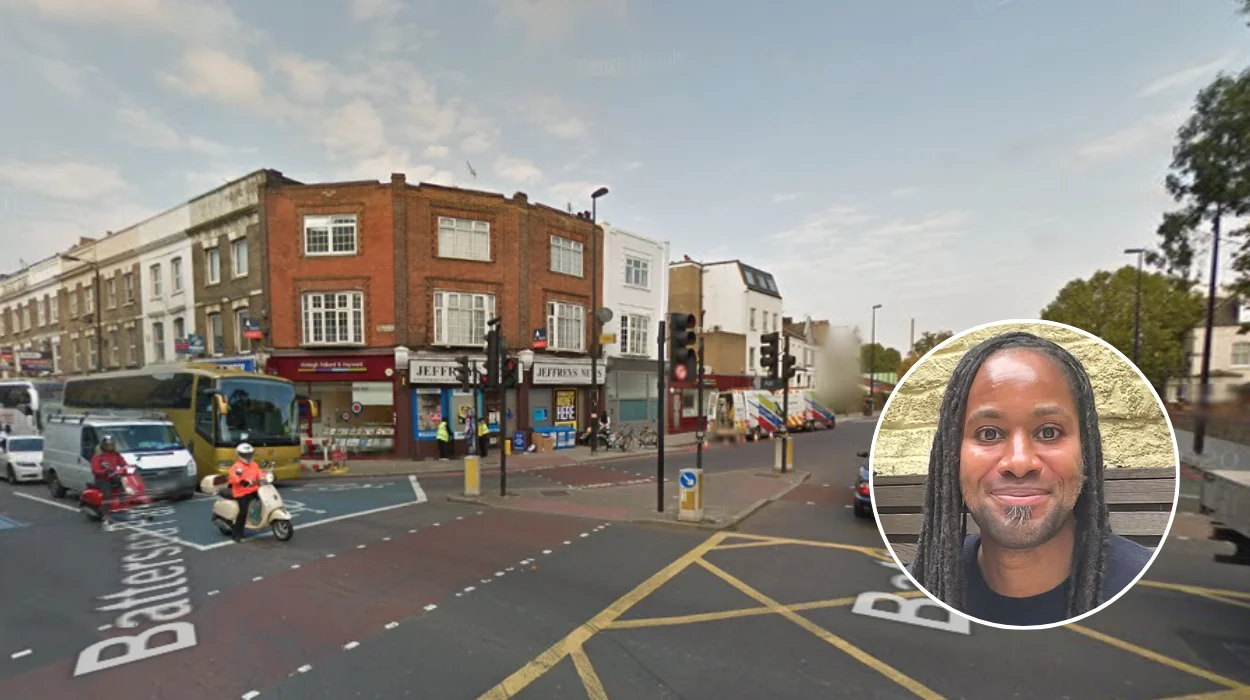
- Circumstances of Death: 41-year-old former professor of University of Cambridge Jason Arday was found dead at an address in Battersea, south London at around 3:10 pm on Friday.
- Official Statement: The Metropolitan Police Service has confirmed that the death is considered as unusual, but not currently thought to be suspicious.
- Context: The professor had just resigned from his job last week after the accusation of plagiarism.
- The Accusations: The professor became involved in a plagiarism controversy due to the accusations made by researcher Nathan Cofnas. Although the previous investigation of Liverpool John Moores University (where Arday obtained his doctorate) concluded that the charges were not true, there was still public pressure on the man.
- Final Words: When resigning, the professor noted that the “unrelenting level of public scrutiny and personal attack” had a “profound toll” on his wellbeing.
- Reactions: Professors of Cambridge University Deborah Prentice, Education Secretary Lucy Powell, and the Mayor of London Sadiq Khan have conveyed their deep condolences. The family pointed out that “sustained abuse” he experienced after joining the Cambridge university.
London (The Londoner News) August 15, 2026 – Former University of Cambridge professor Jason Arday has been found dead at an address in south London, in an event the Metropolitan Police are treating as unexpected, though not suspicious. The death of the 41-year-old academic, who gained national prominence as Cambridge’s youngest Black professor in 2023, comes just one week after he resigned from his prestigious post amidst a controversy surrounding allegations of plagiarism.
What were the circumstances surrounding the death of Jason Arday?
According to reporting by Tom Place for The Evening Standard, officers from the Metropolitan Police were called to an address in Battersea by the London Ambulance Service at approximately 3:10 pm on Friday. Upon arrival, emergency responders found Prof. Arday unresponsive. He was pronounced dead at the scene.
The force spokesperson stated that while the death is being treated as unexpected, it is “not believed to be suspicious.” His next-of-kin have been informed and are currently receiving support from officers.
How did the plagiarism allegations impact his career and life?
The professional and personal life of Prof. Arday had been heavily impacted by an intense period of public scrutiny. The controversy centered on allegations of plagiarism, which were first raised by Nathan Cofnas, a US researcher. Mr. Cofnas, whose own tenure at Cambridge was terminated following comments suggesting that Black people would disappear from high-profile positions in a “true meritocracy,” claimed he had subjected Prof. Arday’s work to plagiarism detection software. Mr. Cofnas alleged that “many passages are lifted with minimal editing, sometimes retaining copy-editing mistakes from the original source.”
In response to these allegations, an investigation was conducted by Liverpool John Moores University, which had awarded Prof. Arday his PhD in 2015. As reported by The Evening Standard, that investigation did not uphold the formal charges of plagiarism, attributing the issues identified to “honest and reasonable error.” Nevertheless, the discourse surrounding his work continued, leading to further investigation by the University of Cambridge into his appointment and tenure.
What was Jason Arday’s response to the public scrutiny?
In his resignation statement provided last week, Prof. Arday spoke candidly about the “personal cost” of the situation. He noted that the environment of “unrelenting level of public scrutiny and personal attack” had become too much to bear.
As noted in the reporting by Tom Place for The Evening Standard, Prof. Arday wrote: “While criticism is an inevitable part of academic life, what I have experienced has gone far beyond scholarly disagreement. The relentless accusations, speculation and public commentary have taken a profound toll on me and on those I love.” He further clarified that his resignation should not be interpreted as an “acceptance of the narratives that have surrounded me,” but rather as the “only way to bring this chapter to an end.”
Explore more South London News:
The Cockpit Crowned London’s Best Pub in Chislehurst 2026
Stylus Architects Unveils Angular Etta House Extension in South London 2026
How have his family and the academic community responded?
The news of his death has sent shockwaves through the academic and wider community. In a statement issued via their publisher, Simon & Schuster UK, Prof. Arday’s family expressed their profound grief, stating they are “in shock to have lost this amazing father, partner, brother, uncle and son.”
The family’s statement contained a sharp indictment of the treatment Arday received during his time at Cambridge: “Jason was subjected to a campaign of sustained abuse for the more than three years since he accepted the role of professor at Cambridge University by those who would leave no stone unturned in their quest to undermine him.” They added that the “campaign of misinformation was too much for Jason,” whom they described as a “gentle man.”
University leadership also moved to express their condolences. Professor Deborah Prentice, Vice-Chancellor of the University of Cambridge, stated she was “desperately saddened” by the news, adding, “Our heartfelt sympathies go to Jason Arday’s family and friends at this incredibly difficult time.”
What have public figures said about this tragedy?
The tragedy has prompted reactions from high-level officials and public figures. Education Secretary Lucy Powell conveyed her shock, emphasizing the human element behind the headlines. As reported by The Evening Standard, she stated on the platform X (formerly Twitter): “I’m deeply shocked and saddened to hear about the death of Jason Arday. My heartfelt condolences are with his friends and family at this very sad time.” She urged the public to “remember there are real people with loved ones involved.”
Mayor of London Sadiq Khan also paid tribute, describing the death as “a tragedy” and suggesting that it should serve as a “wake-up call for all of us.”