Key Points:
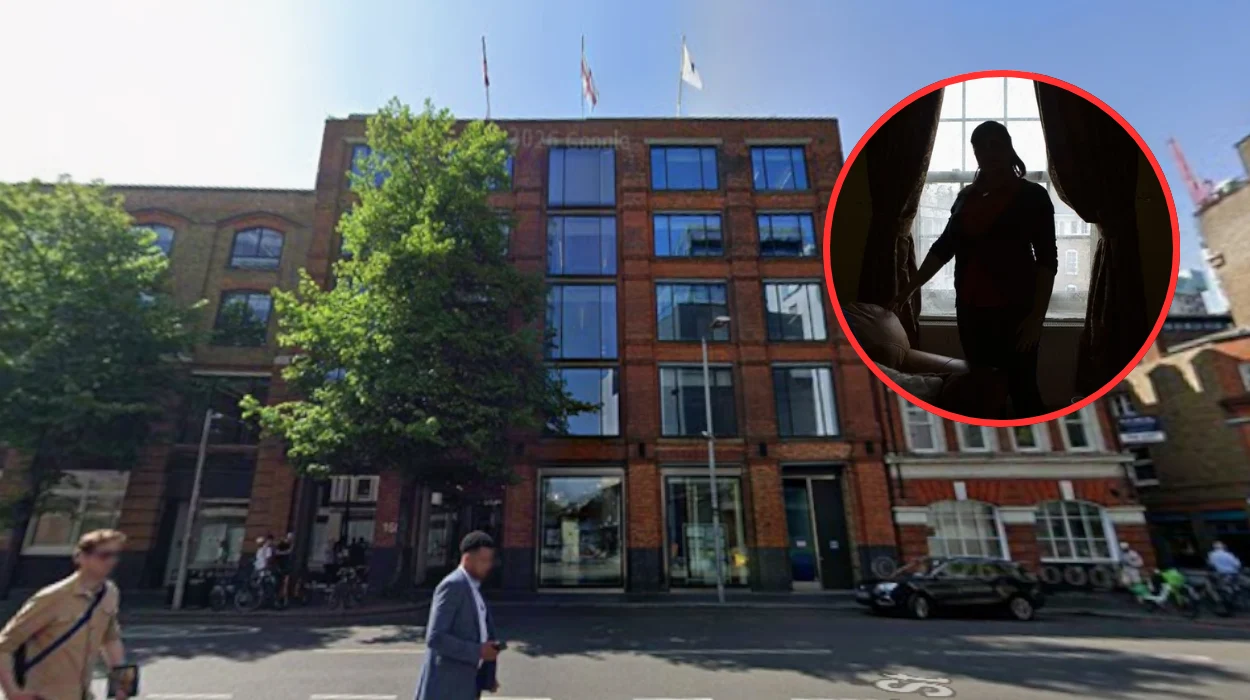
- A 21-year-old mother-of-three, known as Danielle, was forced to leave her council-allocated home in Southwark, south London, after facing severe threats of violence.
- With all three of her children under the age of five, Danielle found herself navigating the streets with two prams, facing imminent homelessness and uncertainty regarding shelter.
- Legal experts have heavily criticised the lack of structured communication and support between local authorities during emergency relocations.
- Simeon Wilmore, a housing law director and solicitor at Duncan Lewis Solicitors, stated via Sky News reporting that local councils must take a more managed approach, noting that “Southwark should have been in contact with the receiving party or receiving local authority, and it should be more managed and structured, with [the individual] at the centre of the decision making.”
- The wider context of this crisis highlights systemic pressures across England, where over 150,000 children are currently housed in temporary accommodation, stretching council resources to breaking point.
London (The Londoner News) August 22, 2026— Pushing two prams through the bustling and indifferent streets of south London, twenty-one-year-old Danielle harboured only one harrowing question: where would she and her three young children sleep tonight? Having fled her secure council house in the London Borough of Southwark due to menacing threats of physical violence, the young mother suddenly found herself cast into a ruthless housing void. As documented by Jason Farrell of Sky News, Danielle’s ordeal exemplifies a terrifying reality faced by vulnerable citizens who seek protection from the law, only to fall through the safety nets designed to protect them. With all three of her children under the age of five, her desperate plight underscores a broader, spiralling crisis within the United Kingdom’s social housing framework, where systemic resource shortages and bureaucratic failures leave families stranded on the precipice of destitution.
Why Did Danielle Have to Leave Her Council House?
The sequence of events that unspooled Danielle’s life began when she did what any citizen should feel safe doing: she reported serious threats of violence to the police. However, as detailed in reports by Jason Farrell of Sky News, taking this protective measure inadvertently triggered a crisis of displacement. Because her safety was directly compromised within her local environment, remaining in her Southwark council house became an untenable and perilous option.
Fleeing domestic or community threats typically requires an immediate, highly coordinated safeguarding response from state institutions. Yet, rather than experiencing a smooth transition to a secure sanctuary, Danielle was left to navigate the initial aftermath largely on her own. As observed by Jason Farrell of Sky News, the young mother was left wandering the pavement with her children packed into two separate prams, symbolising an acute failure of statutory duty. The very act of reporting criminality—something encouraged by public authorities—resulted in her losing her stable roof, transforming a victim of threats into a victim of administrative inadequacy.
What Are the Legal Responsibilities of Local Councils in Housing Crises?
The legal obligations governing local authorities during instances of emergency displacement are stringent, yet practical execution frequently falls short. To understand how such failures manifest, housing law specialists have scrutinised the systemic gaps in inter-council communication.
As reported by Simeon Wilmore, Housing Law Director and Solicitor at Duncan Lewis Solicitors, during coverage by Sky News, local authorities carry a fundamental duty to manage relocations systematically. Highlighting the administrative disconnect that leaves families stranded, Simeon Wilmore of Duncan Lewis Solicitors stated via Sky News that
“Southwark should have been in contact with the receiving party or receiving local authority, and it should be more managed and structured, with [the individual] at the centre of the decision making.”
Mr Wilmore further emphasised to Sky News journalists that local councils hold a definitive legal obligation to accommodate vulnerable individuals and victims of violence safely, ensuring that structural handovers do not default into periods of absolute homelessness. When councils fail to communicate effectively with receiving authorities, the burden unfairly shifts onto traumatised citizens who lack the financial capital to secure private alternatives.
Explore more South London News:
Met Police Foil Tooting Jewellery Heist in London 2026
Why Eltham College Is a Top Independent School in South London 2026
How Widespread Is the Temporary Accommodation Crisis in England?
Danielle’s harrowing situation is far from an isolated administrative glitch; rather, it serves as a glaring symptom of a nationwide systemic failure. Housing authorities across England are currently grappling with unprecedented levels of demand, crippled by a severe shortage of affordable social housing stock.
According to housing data highlighted during the Sky News investigation by Jason Farrell, more than 150,000 children are currently living in temporary accommodation across England. This staggering figure illustrates an institutional emergency where local councils are perpetually operating in crisis mode. Stretched resources have created a system where emergency housing lists are overwhelmed, forcing families into a continuous cycle of uncertainty, insecurity, and substandard living conditions.
Experts note that when local government resources are stretched to breaking point, the administrative empathy required to handle delicate cases—such as a mother fleeing violence with three toddlers—often evaporates behind rigid bureaucratic ticking-boxes. The human cost of this national shortage is paid by children under five, whose formative years are marred by housing instability.
What Lies Ahead for Families Facing Eviction and Homelessness?
The emotional and psychological toll on young parents facing sudden eviction cannot be overstated. For Danielle, the immediate concern remained simple yet agonizingly difficult to resolve: securing a warm, safe room for her children before nightfall.
As media coverage from Sky News and subsequent legal analyses from firms like Duncan Lewis Solicitors continue to bring these structural failures to light, public pressure is mounting on local authorities to reform their emergency protocols. Campaigners argue that until central government intervention addresses the root causes of the housing shortage—namely, a lack of sustained investment in social housing builds—incidents where victims of violence are punished with homelessness will continue to recur.
For now, Danielle’s story remains a stark reminder that the social safety net, when fractured, can drop the most vulnerable members of society straight through the cracks, leaving mothers to push prams through the dark with nowhere left to turn.