

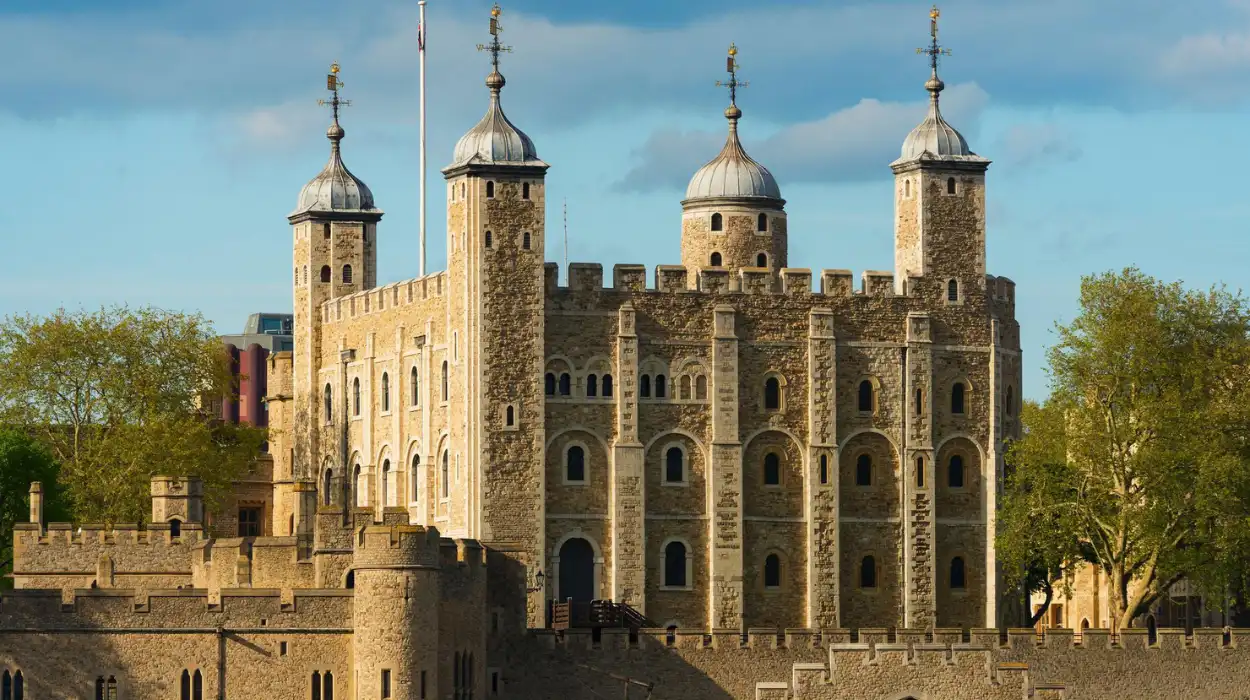
Key Points
- Risk of UNESCO Warning: According to experts, the famous Tower of London faces the risk of being put on UNESCO’s World Heritage in Danger list unless vital amendments are made in the City of London Corporation’s draft local plan.
- Historic England’s Concern: According to reports published by several news agencies, the statutory adviser of Historic England has raised ‘serious concerns’ over the size, scale, form, and location of the future skyscrapers being planned in the eastern border of the Square Mile area.
- The Key Issue: Historic England has been advocating for the need of a larger and continuous gap in the skyline between the 11th-century castle and the City Cluster, asking the new skyscrapers to “lean away” from the historic site.
- Economic Implications Warning: However, in response to this suggestion, the City of London Corporation has warned that such strict restrictions on heights and spacing could affect economic growth, resulting in an estimated loss of as much as £1.2 billion in GDP or development space.
- Government Interference: Implementation of the draft City Plan 2040 was delayed when Housing Minister Matthew Pennycook asked the planning inspectors Alastair Phillips and Jameson Bridgwater to reconsider these alternatives of height contours.
London (The Londoner News) September 4, 2026 — The iconic Tower of London faces the grave prospect of being inscribed onto UNESCO’s List of World Heritage in Danger, government heritage advisers have cautioned, unless sweeping changes are made to the capital’s blueprint for towering commercial developments.
The warning centers around the City of London Corporation’s draft City Plan 2040, which outlines the parameters for future urban growth, office expansion, and high-rise construction across the Square Mile. While city planners defend the blueprint as a vital engine for economic momentum, preservation bodies argue that unchecked vertical expansion threatens the Outstanding Universal Value of the medieval fortress built by William the Conqueror.
Why Is the Tower of London Facing UNESCO Danger Status?
The friction point between urban developers and heritage bodies hinges on the proximity and scale of planned high-rises relative to the historic riverside citadel. As reported by Dezeen, a spokesperson for Historic England stated that “reducing the potential for harm is of vital importance to the conservation of the World Heritage Site, and we believe critical to minimising the potential for the Tower of London to be included on the List of World Heritage in Danger.”
Elaborating further during recent planning hearings covered by The Architects’ Journal and Construction Buzz, Historic England representatives argued that the form, scale, and location of upcoming office blocks on the eastern edge of the City threaten to encroach heavily upon the landmark. To combat this, the heritage watchdog is aggressively pushing for an “uninterrupted gap of clear sky” and demanding that new structures within the City Cluster adopt an architecture that “leans away” from the heritage site to remain deferential to its historical significance.
Backing these assertions, Melissa Hamnett, the Palaces and Collections Director at Historic Royal Palaces, told the planning inspectors—as reported by MyLondon—that adopting these revised contours would serve as “a clear and credible demonstration to UNESCO that those concerns are being seriously reflected in the Plan.” Furthermore, Dr Helen Woodhouse of Historic England emphasized to the panel that current protections outlined in the draft framework remain entirely insufficient from the perspective of the United Nations body.
What Are the Arguments Raised by the City of London Corporation?
While heritage authorities prioritize the preservation of the historic skyline, the City of London Corporation maintains that drastic alterations to their spatial contours would inflict heavy damage on commercial development and financial recovery.
As detailed by City A.M. and The Architects’ Journal, Tom Sleigh, the City of London Corporation’s planning chairman, warned that placing strict height and spacing curbs on construction near the Tower could effectively “sterilise” economic output, estimating potential losses reaching up to £1.2bn annually or substantial reductions in high-value upper-floor office space.
The Corporation asserts that the differences between its proposed contours and those demanded by Historic England would create minimal visual protection benefits while disproportionately penalizing growth. Representatives argue that the draft City Plan 2040 has already taken a meticulous, bespoke approach to balancing heritage assets with the modernization needs of the capital.
Explore more London Local News:
St John’s Wood Street Garden Dispute in London, 2026
Uber Robotaxis Launch: Cost, Booking, and Safety Driver Details in London 2026
How Did Government Intervention Delay the City Plan 2040?
The roadmap for the Square Mile’s future has faced an extended administrative journey. The draft City Plan 2040 spent years moving through consultations and public hearings led by planning inspectors Alastair Phillips and Jameson Bridgwater, which concluded in the summer.
However, the formal adoption of the framework stalled abruptly when Housing Minister Matthew Pennycook intervened. Writing directly to inspectors Phillips and Bridgwater, Mr Pennycook directed them to officially evaluate and consider Historic England’s alternative contours to ensure the landmark is adequately insulated from harmful development.
This directive triggered supplementary hearings where various stakeholders—including the City Property Association (CPA), property consultants DP9 representing BNPP Asset Management, and Tower Hamlets Council—submitted evidence regarding the delicate balance between job creation and heritage preservation. Additionally, heritage charity SAVE, via Director Henrietta Billings, voiced support for rigorous scrutiny, noting to Construction Buzz that the multiple heritage harms highlighted during consultations had yet to be meaningfully resolved.
What Happens Next in the Planning Process?
With the latest round of hearings drawing to a close, the Planning Inspectorate panel is tasked with compiling their final recommendations.
As outlined by regional reporting networks, the inspectors will prepare a formal letter to be reviewed alongside Housing Minister Matthew Pennycook, triggering the definitive phase of proceedings. Whether the Corporation is forced to redraw its skyscraper zoning maps to keep the Tower of London clear of UNESCO’s danger designation—or whether economic arguments prevail to preserve the current scale of development—remains pending the final ministerial sign-off.