
- Pause and Assessment Call by CILT: The Chartered Institute of Logistics & Transport (CILT) has called on Transport for London (TfL) to pause development of the West London Orbital passenger scheme—which proposes London Overground services between Hendon and Hounslow on a currently freight-only line—until a comprehensive assessment is completed with input from freight operators and customers.
- Rail Freight Group Consultation Response: In its submission to TfL’s consultation, which closed on 18 November 2026, the Rail Freight Group (RFG) stated that the corridor is an essential connection between regions and terminals and must safeguard freight access and capacity to meet government rail freight growth targets.
- Acton Wells Junction Traffic and Capacity Concerns: CILT warned that TfL’s plans do not show how freight would be protected from doubling passenger trains through Acton Wells Junction from eight to 16 trains per hour, noting the junction handles roughly 72 freight trains daily—including construction aggregates such as sand, gravel, and limestone from Somerset, Gloucestershire, and South Wales, alongside container traffic for London Gateway and Tilbury.
- Grade Separation and Track Layout Questions: Julian Worth of the CILT (UK) Strategic Rail Policy Group stated on 17 November 2026 that simply expanding tracks at Acton Wells from two to four would not resolve crossing conflicts between passenger and freight trains, arguing grade separation is likely needed or TfL must show a viable alternative.
- TfL Response and 2027 Consultation Report: A TfL spokesperson told Rail Business UK that infrastructure upgrades are being designed so passenger and freight trains can operate together—projecting paths for about eight freight trains per hour in each direction at Acton Wells Junction—with TfL aiming to publish a consultation report responding to raised issues in early 2027.
London (The Londoner News) November 24, 2026 – Rail freight bodies including the Chartered Institute of Logistics & Transport and the Rail Freight Group have warned that Transport for London’s West London Orbital passenger proposal between Hendon and Hounslow could constrain strategic freight capacity, particularly around Acton Wells Junction. CILT has urged TfL to pause development pending a full freight-informed assessment and questioned whether track expansion without grade separation can protect roughly 72 daily freight trains. TfL said proposed upgrades aim to support both services, with a consultation report due in early 2027.
- What Did the Rail Freight Group Say in Its West London Orbital Consultation Response?
- How Could Acton Wells Junction Upgrades and Passenger Frequencies Affect Freight?
- How Did Transport for London Respond on Accommodating Freight Growth?
- How Do the Positions of CILT, the Rail Freight Group, and Transport for London Compare?
- Background of the Particular Development After the News
- How This Development Can Affect Freight Operators, Passengers, and London Planners
As reported by Rail Business UK, the rail freight sector has raised concerns over the impact of the West London Orbital scheme to introduce London Overground passenger services between Hendon and Hounslow using a currently freight-only line, with the Chartered Institute of Logistics & Transport calling on Transport for London to pause development until a comprehensive assessment has been undertaken with input from freight operators and customers.
The Chartered Institute of Logistics & Transport emphasised that the route is “not simply an underused passenger railway waiting to be brought back into service. It forms part of a nationally significant freight network serving ports, construction supply chains, international trade and major distribution facilities”, adding that its strategic value will rise as new freight facilities open, international rail freight grows, and construction programmes sustain demand for aggregates.
What Did the Rail Freight Group Say in Its West London Orbital Consultation Response?
Submissions to Transport for London’s consultation—which closed on 18 November 2026—included detailed points from the Rail Freight Group on network connectivity and statutory growth targets:
- Essential Regional and Terminal Link: In its response to TfL’s consultation, which closed on 18 November, the Rail Freight Group stated that the corridor serves as an essential rail connection between regions as well as several terminals.
- Protecting Access and Growth Capacity: The Rail Freight Group noted that while it recognises the ambition to improve passenger connections, the West London Orbital scheme must protect existing freight access and deliver the capacity required to support the government’s rail freight growth targets, given that the corridor remains vital for intermodal and aggregate movements under all scenarios.
How Could Acton Wells Junction Upgrades and Passenger Frequencies Affect Freight?
Reporting from Rail Business UK and CILT highlights specific operational pressures at Acton Wells Junction and across connected freight flows:
- Doubling Passenger Trains Through Acton Wells Junction: Although TfL has indicated that the scheme would incorporate track, signalling, and junction upgrades to allow freight and passenger trains to run safely and reliably alongside one another, CILT stated that these proposals do not show how freight would be protected when passenger services through Acton Wells Junction double from eight to 16 trains per hour.
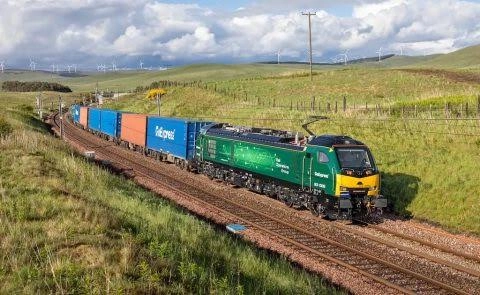
- 72 Daily Freight Trains, Construction Aggregates, and Ports: Acton Wells Junction is a key southeast freight hub handling around 72 freight trains per day, many transporting construction materials such as sand and gravel alongside limestone from quarries in Somerset, Gloucestershire, and South Wales. CILT noted that rail already supplies roughly 50% of London’s construction materials and that this share is set to expand significantly as housing and infrastructure projects grow. The West London network also carries container trains serving London Gateway and Tilbury, while CILT pointed to plans to revive the Barking Eurohub site and expand freight through the Channel Tunnel.
- Julian Worth’s Statement on Crossing Conflicts and Grade Separation: As reported by Rail Business UK, Julian Worth of the CILT (UK) Strategic Rail Policy Group stated on 17 November: “Creating a West London Orbital route for passenger trains is an excellent notion and something we support. But this needs to be balanced against the nation’s wider goals.” Julian Worth added: “Acton Wells Junction is not simply a piece of local railway that could be used more. It is a nationally important freight location, and the implications of introducing additional passenger services must be considered in a wider context.” He further stated that increasing tracks at Acton Wells from two to four would not resolve underlying conflicts between crossing passenger and freight movements, arguing that grade separation is likely required but may face physical site constraints—meaning TfL must demonstrate an alternative if grade separation is unfeasible—and concluding: “The bottom line is that passenger connectivity and strategic freight must go hand in hand and not marginalise one at the expense of the other.”
How Did Transport for London Respond on Accommodating Freight Growth?
As reported by Rail Business UK, Transport for London addressed joint operations, timetable planning, and its upcoming consultation report:
- Joint Operations and Timetable Work: A TfL spokesperson told Rail Business UK that “the infrastructure enhancements required to deliver the scheme are being designed to ensure passenger and freight services can work together. We will continue to work with Network Rail, freight operators and the Rail Freight Group to develop the most suitable timetable that allows for existing and planned London Overground and freight services to operate reliably and grow.”
- Projected Freight Paths and Early 2027 Report: The TfL spokesperson added: “Work to date has demonstrated that the proposed infrastructure enhancements at Acton Wells Junction would provide paths for approximately eight freight trains per hour in each direction, which is expected to be sufficient to accommodate substantial freight growth.” TfL plans to address the issues raised in a consultation report scheduled for publication in early 2027.
How Do the Positions of CILT, the Rail Freight Group, and Transport for London Compare?
A structured summary contrasts the main positions, figures, and steps outlined across the stakeholders:
| Stakeholder / Topic | Key Position or Metric | Stated Next Steps or Conditions |
| Chartered Institute of Logistics & Transport (Julian Worth) | Supports passenger connectivity concept in principle, but warns against squeezing freight at Acton Wells Junction (~72 freight trains/day) as passenger trains double from 8 to 16 per hour. | Urges TfL to pause development for a full assessment with freight operators/customers and address crossing conflicts beyond moving from 2 to 4 tracks. |
| Rail Freight Group | Corridor links regions and terminals; scheme must protect existing freight access and support government freight growth targets. | Submitted formal consultation response ahead of the 18 November 2026 deadline. |
| Transport for London | Upgrades to track, signalling, and junctions are designed for joint passenger and freight running, projecting ~8 freight paths per hour each way at Acton Wells Junction. | Working with Network Rail, freight operators, and RFG on timetables; consultation report planned for early 2027. |
Background of the Particular Development After the News
The West London Orbital proposal seeks to introduce London Overground passenger services between Hendon and Hounslow along an existing freight-only railway corridor in west and north-west London. Because London’s rail network combines intensive passenger operations with heavy freight flows linking regional quarries, ports, and cross-channel routes, capacity allocation at junctions such as Acton Wells has long been a central technical consideration.
Following public consultation closing on 18 November 2026, Transport for London is reviewing feedback from industry bodies, operators, and stakeholders ahead of publishing its consultation report in early 2027.
How This Development Can Affect Freight Operators, Passengers, and London Planners
The debate over West London Orbital capacity and Acton Wells Junction engineering carries practical implications for several key groups:
1. Rail Freight Operators, Quarry Suppliers, and Port Logistics
For freight operators, aggregate suppliers hauling sand, gravel, and limestone from Somerset, Gloucestershire, and South Wales, and intermodal operators serving London Gateway, Tilbury, Barking Eurohub, and the Channel Tunnel, path availability and junction conflict resolution around Acton Wells Junction will determine whether freight volumes can expand without timetable bottlenecks.
2. Prospective London Overground Passengers Between Hendon and Hounslow
For commuters and local travellers along the proposed Hendon–Hounslow corridor, the outcome of engineering assessments, junction design choices, and the early 2027 consultation report will shape service frequencies, timetable reliability, and delivery timelines.
3. Transport for London, Network Rail, and Construction Stakeholders
For Transport for London, Network Rail, and London construction and infrastructure planners—given rail’s roughly 50% share in delivering London’s construction materials—balancing new passenger services with reliable freight paths will remain a core engineering and scheduling priority through the 2027 consultation report and beyond.