Family entertainment refers to recreational activities designed for people of different ages to enjoy together. In London, the concept evolved alongside the city’s rapid expansion during the nineteenth century. Before the Victorian era, entertainment often centred on seasonal fairs, markets, music halls, and pleasure gardens. During Queen Victoria’s reign (1837–1901), public authorities, philanthropists, and cultural institutions increasingly promoted educational recreation suitable for families.
- How did Victorian London transform family leisure?
- Which Victorian attractions became lasting family destinations?
- Why did public parks become important for London families?
- How did museums shape educational family entertainment?
- How did theatres and pantomimes become family traditions?
- How did twentieth-century innovations change family entertainment?
- What role did fairs, festivals, and seasonal celebrations play?
- How have historic attractions adapted for modern families?
- Why does London’s family entertainment heritage remain historically important?
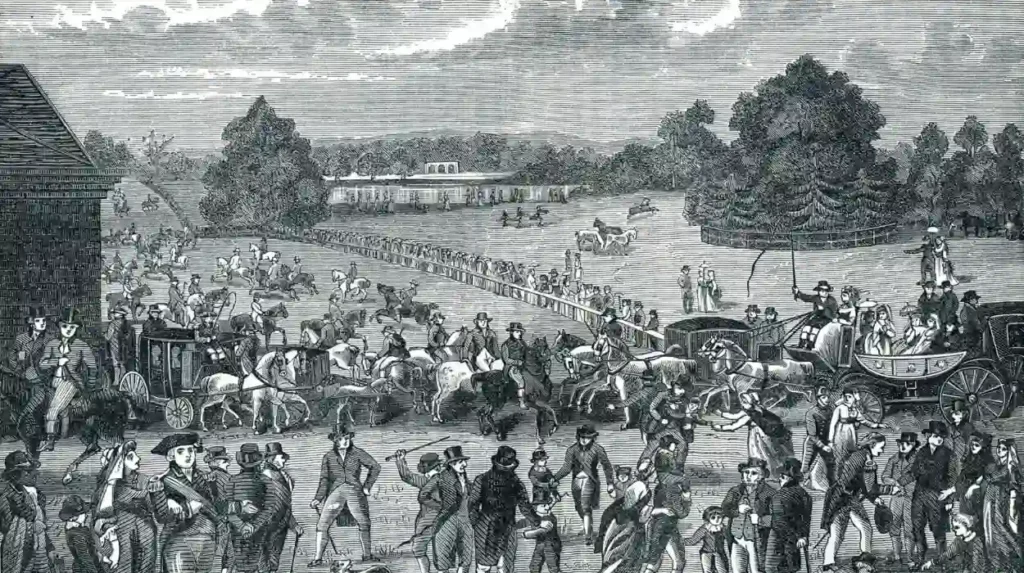
Industrialisation dramatically changed working patterns. The Factory Acts gradually reduced working hours, while the Bank Holidays Act of 1871 established official public holidays. Families gained more opportunities to spend leisure time together. Railways connected central London with surrounding districts, allowing larger numbers of residents to visit parks, museums, exhibitions, and attractions.
The Victorian belief in “rational recreation” encouraged activities that combined education with enjoyment. Museums, botanical gardens, zoological collections, libraries, and public exhibitions became central to family life. This philosophy continued into the twentieth century and remains visible in modern London attractions.
The city’s entertainment landscape also reflected broader developments in transport, architecture, science, conservation, and tourism. Every generation introduced new attractions while preserving historic institutions established during previous centuries.
How did Victorian London transform family leisure?
Victorian London transformed family leisure by expanding public parks, creating educational museums, improving transport, introducing organised recreation, and encouraging respectable public entertainment. Government reforms, philanthropy, and municipal investment reshaped leisure into a structured, accessible, and educational experience for millions of residents and visitors.
The Victorian period witnessed unprecedented urban growth. London’s population increased from approximately 2.3 million in 1851 to more than 6.5 million by 1901. This rapid expansion created demand for healthier recreational spaces.
Public parks became essential civic infrastructure. Hyde Park, Regent’s Park, Victoria Park, Battersea Park, and Finsbury Park offered open spaces where families could walk, picnic, attend concerts, and participate in organised activities. These parks improved public health while providing free recreation.
Museums also expanded rapidly. The British Museum admitted increasing numbers of visitors after introducing more accessible opening arrangements. The South Kensington Museum, later divided into the Victoria and Albert Museum and the Science Museum, promoted education through collections of art, science, and industry.
Railway expansion played a decisive role. New suburban railway lines enabled working-class and middle-class families to reach recreational destinations within hours rather than days.
Victorian educational reform strengthened the connection between learning and leisure. The Elementary Education Act of 1870 increased literacy, encouraging visits to museums, exhibitions, and historical sites.
The Great Exhibition of 1851 demonstrated how public exhibitions could entertain while educating visitors about science, engineering, manufacturing, and international culture. More than six million people attended the exhibition inside the Crystal Palace in Hyde Park.
Which Victorian attractions became lasting family destinations?
Several Victorian attractions became permanent family destinations through continuous public investment, preservation, and adaptation. Museums, zoological collections, public parks, and entertainment venues retained historical significance while introducing modern facilities that continue attracting local residents, students, and international visitors every year.
London Zoo, opened in 1828 by the Zoological Society of London, became one of the world’s first scientific zoological gardens. Public admission expanded during the Victorian period, making wildlife education available to families.
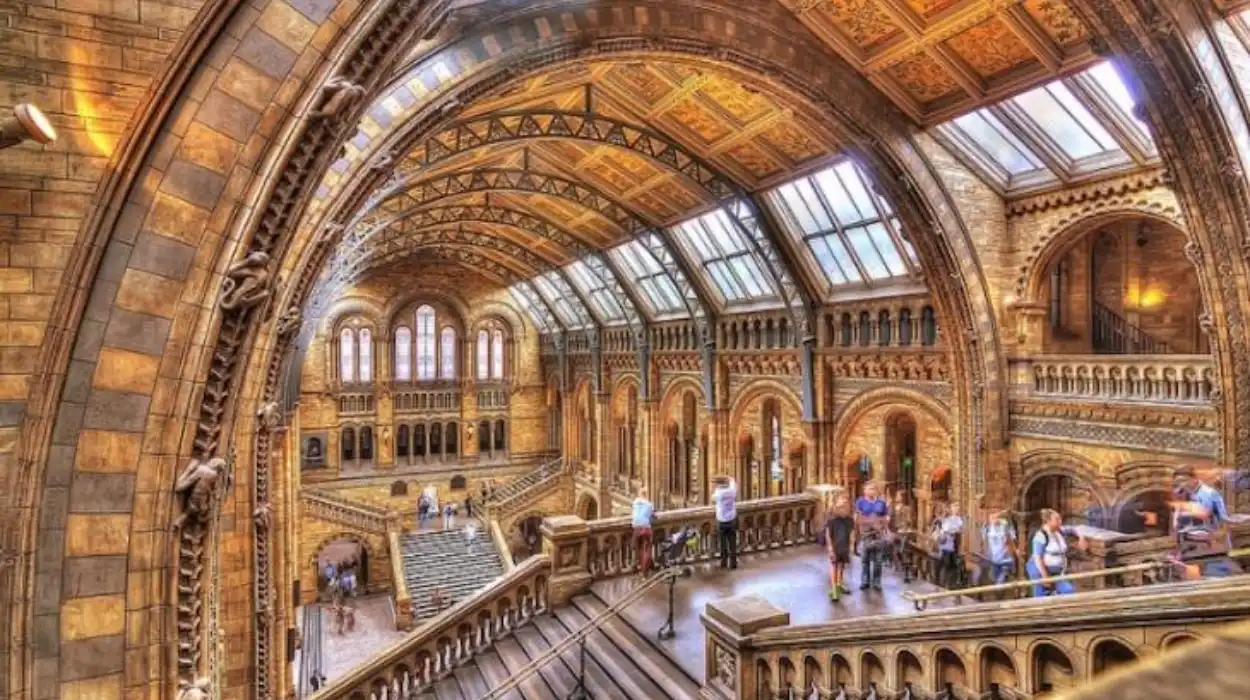
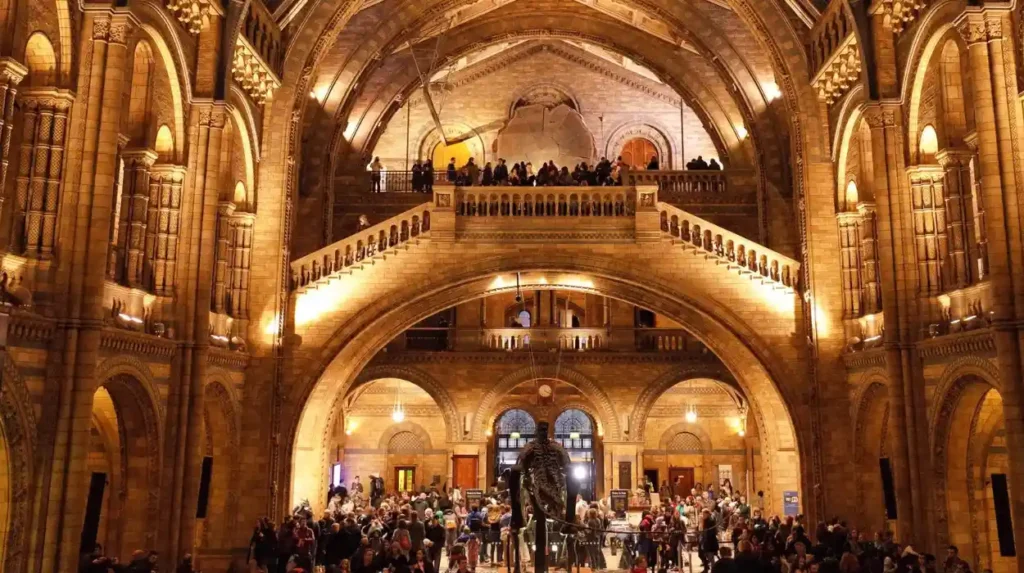
The Natural History Museum opened its current South Kensington building in 1881. Its Romanesque architecture, dinosaur collections, geological specimens, and biological exhibits established it as one of Britain’s most important educational attractions.
The Victoria and Albert Museum evolved from collections displayed after the Great Exhibition. It promoted design education while welcoming families interested in decorative arts, fashion, architecture, sculpture, and world cultures.
The Royal Botanic Gardens at Kew expanded scientific research alongside public education. Families explored botanical collections representing thousands of plant species from across the British Empire and beyond.
Madame Tussauds also became an important Victorian attraction after establishing its permanent Baker Street location in 1884. Wax figures introduced visitors to famous historical figures, royalty, scientists, military leaders, and cultural icons.
These institutions survived because they continuously modernised exhibitions while preserving their original educational missions.
Why did public parks become important for London families?
Public parks became essential family destinations because they improved public health, reduced overcrowding, encouraged outdoor recreation, and provided free entertainment. Victorian planners regarded accessible green spaces as vital components of urban life within one of the world’s fastest-growing metropolitan regions.
Urban overcrowding presented significant health challenges throughout nineteenth-century London. Industrial districts often lacked gardens and recreational areas.
Public parks addressed these concerns by creating open landscapes with walking paths, lakes, ornamental gardens, playgrounds, sports facilities, and concert spaces.
Victoria Park, opened in 1845, served the densely populated East End. Contemporary observers described it as the “People’s Park.” Families gathered for boating, cricket, public celebrations, and seasonal events.
Regent’s Park combined formal gardens with recreational facilities and eventually incorporated London Zoo, creating one of London’s earliest integrated family destinations.
Hyde Park hosted exhibitions, concerts, public gatherings, and ceremonial events that attracted visitors from across Britain.
Municipal authorities increasingly recognised parks as investments in public wellbeing rather than luxury spaces.
Their historical importance remains visible today through protected landscapes, listed monuments, heritage trees, historic bandstands, and restored Victorian features.
How did museums shape educational family entertainment?
Museums reshaped family entertainment by combining scientific research, historical collections, public education, and accessible exhibitions. They encouraged lifelong learning through carefully organised displays that appealed simultaneously to children, adults, teachers, researchers, and international visitors across successive generations.
Victorian museums differed from earlier private collections by serving the wider public.
Curators organised exhibitions according to scientific classification, historical chronology, or artistic development. Visitors learned through observation rather than formal classroom instruction.
The Natural History Museum presented fossil collections, mineral specimens, mammals, insects, and botanical displays that introduced scientific concepts to young audiences.
The Science Museum demonstrated engineering, industrial innovation, transport history, and technological development through working models and preserved machinery.
The British Museum displayed archaeological discoveries from Egypt, Mesopotamia, Greece, Rome, and numerous other civilisations, encouraging historical understanding.
School visits increased steadily during the twentieth century. Museums developed educational programmes aligned with national curricula.
Interactive exhibitions introduced during the late twentieth century further strengthened museums’ role as family destinations.
These institutions continue balancing preservation, research, and public engagement.
How did theatres and pantomimes become family traditions?
Theatres and pantomimes evolved into family traditions by adapting traditional folklore, fairy tales, and seasonal celebrations into accessible performances. Victorian theatre managers expanded family audiences through Christmas productions, improved seating, and increasingly respectable public entertainment suitable for all generations.
The Christmas pantomime became one of Britain’s most enduring entertainment traditions during the Victorian period.
Stories such as Cinderella, Aladdin, Jack and the Beanstalk, and Dick Whittington combined music, comedy, dance, audience participation, and elaborate stage effects.
Gas lighting and later electric lighting transformed theatrical production quality.
Theatres gradually improved safety following several nineteenth-century fires. Better building regulations, emergency exits, and fire-resistant materials increased public confidence.
Music halls also evolved. While many originally catered primarily to adults, numerous venues introduced family-friendly performances.
Children’s theatre expanded throughout the twentieth century, supported by educational organisations and public arts funding.
Today, London’s theatre district continues attracting families through productions ranging from traditional pantomimes to literary adaptations and musical performances.
How did twentieth-century innovations change family entertainment?
Twentieth-century innovations expanded family entertainment through cinema, broadcasting, motor transport, theme attractions, public festivals, and interactive museums. Technological progress increased accessibility while preserving London’s established cultural institutions and historic recreational traditions across successive generations.
Cinema rapidly became one of Britain’s most popular family activities after the early 1900s.
Picture palaces combined architectural grandeur with affordable ticket prices.
Following the establishment of the BBC in 1922, broadcasting introduced educational programming that complemented museum visits and cultural experiences.
Motor buses, Underground expansion, and private car ownership enabled families to explore attractions across Greater London more easily.
The Festival of Britain in 1951 celebrated national recovery after the Second World War through exhibitions, architecture, science, and design.
Post-war reconstruction also encouraged investment in children’s museums, playgrounds, sports facilities, libraries, and community centres.
Interactive science centres and hands-on educational exhibits became increasingly popular from the 1970s onwards.
Digital technology now complements rather than replaces traditional heritage experiences.
What role did fairs, festivals, and seasonal celebrations play?
Fairs, festivals, and seasonal celebrations preserved longstanding community traditions while adapting to changing urban society. These events connected historical customs with modern family entertainment through cultural performances, markets, food, music, and public celebrations held throughout London’s annual calendar.
Historic fairs existed long before the Victorian era.
Some originated as medieval trading events before gradually incorporating rides, performances, games, and public amusements.
Victorian authorities regulated many fairs to improve public safety and reduce disorder while preserving traditional celebrations.
Christmas markets, Easter events, agricultural shows, flower festivals, and civic celebrations expanded during the nineteenth and twentieth centuries.
Public fireworks displays became increasingly organised following stricter safety regulation.
Community festivals also celebrated London’s cultural diversity.
Modern festivals frequently combine historical interpretation with contemporary performance, enabling families to experience living heritage rather than static displays.
These annual traditions strengthen community identity while supporting tourism and local economies.
How have historic attractions adapted for modern families?
Historic attractions remain relevant by combining conservation, accessibility, digital interpretation, educational programming, and visitor facilities. Heritage organisations preserve original structures while introducing exhibitions, guided experiences, interactive learning, and inclusive access for diverse audiences throughout the year.
Conservation standards improved significantly after the twentieth century.
Historic buildings now undergo careful restoration using archaeological evidence, archival records, and specialist conservation techniques.
Museums increasingly provide multilingual interpretation, tactile exhibits, family trails, digital guides, and educational workshops.
Accessibility improvements include step-free routes, sensory resources, improved signage, and inclusive programming.
Many attractions also collaborate with universities, schools, historians, archaeologists, and conservation professionals.
Technology supports interpretation without replacing authentic historical evidence.
Digital reconstructions illustrate lost buildings, while augmented reality demonstrates architectural changes across centuries.
To experience London’s historic attractions in person today, consult our comprehensive [Best Family Attractions in London Visitor Guide] for itineraries and visiting parameters.
Why does London’s family entertainment heritage remain historically important?
London’s family entertainment heritage demonstrates how recreation, education, public health, architecture, transport, and cultural preservation evolved together. Historic attractions continue connecting contemporary audiences with nearly two centuries of social development while supporting tourism, research, conservation, and lifelong public learning.
The history of family entertainment provides valuable evidence about wider social change.
Researchers examine visitor records, architectural plans, newspaper archives, municipal reports, photographs, census data, and institutional collections to understand changing leisure patterns.
Historic attractions also preserve tangible heritage.
Listed buildings, Victorian glasshouses, museums, theatres, bandstands, railway stations, and zoological collections illustrate architectural and engineering achievements.
The UK’s heritage sector contributes billions of pounds annually to the national economy through tourism, employment, conservation, education, and cultural industries.
Educational institutions continue using London’s museums and heritage sites as teaching resources for history, science, geography, archaeology, architecture, and art.
Conservation organisations maintain historic landscapes and collections for future generations.
The continued popularity of London’s family attractions demonstrates the enduring value of combining education with recreation. Victorian principles of accessible public learning continue shaping museum exhibitions, park management, theatre programming, scientific interpretation, and cultural engagement.
From nineteenth-century pleasure grounds to modern interactive museums, London’s entertainment history reflects broader developments in democracy, public education, transport, conservation, architecture, and civic life. These institutions remain living historical resources rather than preserved relics. They connect families with the city’s evolving identity while safeguarding the cultural heritage that defines London as one of the world’s leading historic capitals.
What was family entertainment like in Victorian London?
Family entertainment in Victorian London included visits to public parks, museums, zoos, theatres, pleasure gardens, exhibitions, and seasonal fairs. These activities combined recreation with education and became more accessible as transport and public facilities expanded.