Key Points
- A planned multi‑million‑pound refurbishment of a 1930s leisure centre in central London has been delayed after asbestos was discovered on site.
- The same project has been hit with an additional £3.8 million of costs, pushing its total budget higher than originally agreed.
- The plan to install heritage‑style replacement windows on the building has been rejected by planners or heritage bodies, compounding the timetable and financial pressures.
- The centre, identified in multiple reports as the Seymour Centre in Marylebone, is to be transformed into a “multi‑purpose, mixed‑use community facility” with a new sports‑hall core, updated café, and a permanent home for Marylebone Library.
- Westminster City Council has formally awarded the Stage Two construction contract to Willmott Dixon for around £36.56 million, with the overall budget now sitting at roughly £42.5 million due to the overrun.
- The delays follow earlier approvals that pencilled in an early‑2026 completion; the discovery of asbestos and the window‑design dispute now cast doubt on that timeline.
Central London (The Londoner News) April 18, 2026 – A £42‑million refurbishment of a 1930s leisure centre in central London will cost an extra £3.8 million and has been delayed after asbestos was discovered during preparatory works, while rival plans for heritage‑style replacement windows have been rejected, according to multiple local‑news reports. The project, centred on the Seymour leisure hub in Marylebone and jointly overseen by Westminster City Council and operator Everyone Active, is now caught between escalating costs and the need to safely remove hazardous materials, raising questions among local residents about both the timeline and the final appearance of the building.
- Key Points
- What is the project and why is it being done?
- Why has the project been delayed?
- How much more will the revamp now cost?
- Why were the heritage windows rejected?
- Who is building the project and what is being changed?
- How does the asbestos issue compare to other projects?
- What is the current status of the timetable?
- What do local sources say about the design row?
- How are councillors and officials responding?
- What might this mean for similar projects?
What is the project and why is it being done?
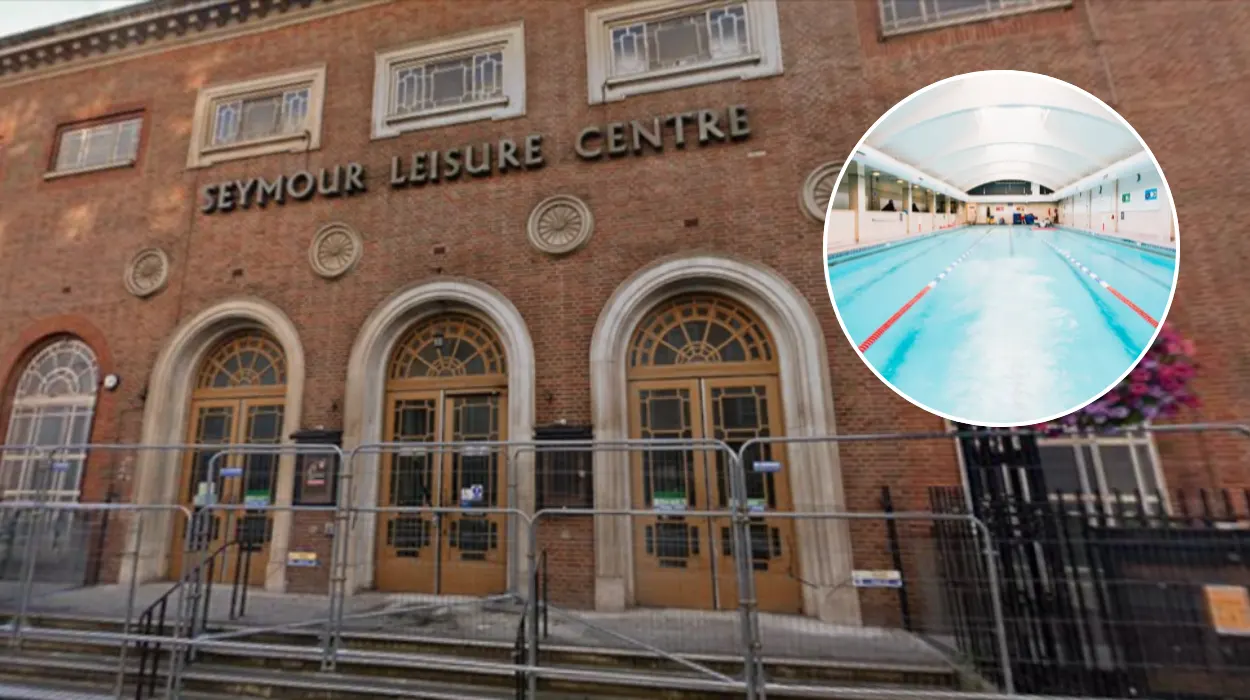
The renovation targets the Seymour Centre, a three‑storey leisure complex in Marylebone that dates from the 1930s and currently combines a five‑court sports hall with a swimming pool. As reported by a team at MyLondon West in a 19 April 2026 update, the building has long been flagged as underused in parts, with “a number of underused and redundant spaces” that do not meet contemporary standards for community facilities.
Westminster City Council has framed the overhaul as an “urgent” upgrade intended to convert the site into a “multi‑purpose, mixed‑use community facility” that can better serve residents, schools, and local sports teams. A notice published by the council, cited by the Building magazine in a March 2025 planning piece, set an initial budget of £40.25 million before the project was later revised upward to £42.5 million to cover design changes and unforeseen works.
Why has the project been delayed?
The project’s schedule has slipped because asbestos was discovered in the building fabric during early survey work. As reported by MyLondon News in its 19 April 2026 coverage, the need to identify, encapsulate or remove asbestos‑containing materials has caused a pause in the works, forcing the council and its contractors to redraw elements of the construction programme.
The discovery echoes patterns seen in other central‑London refurbishments where older structures contain asbestos in cladding, insulation, or floor and ceiling materials. Expert commentary in industry journals, such as Building magazine, notes that asbestos‑removal work typically requires separate survey stages, strict regulatory controls, and often forces contractors to re‑sequence activities, which can lengthen timelines even when crews work around the clock.
How much more will the revamp now cost?
The extra £3.8 million on top of the original budget reflects both the asbestos‑related works and changes to the building’s design and specification. In a budget notice scrutinised by MyLondon West, Westminster City Council recorded that the project’s capital allocation had risen from £40.25 million to £42.5 million, with the £3.8 million figure widely cited across social‑media snippets and local‑news posts linked to the story.
As reported by Building in a March 2025 article, the council’s cabinet had originally allocated around £40 million specifically for the Marylebone leisure‑centre makeover, with the increase now approved to cover the additional asbestos‑remediation measures and revised construction scope. The council’s public documents stress that the rise is being treated as a “revised” rather than an “unplanned” overrun, arguing that early‑stage surveys and contractor‑designed solutions are themselves part of the project’s Stage Two framework.
Why were the heritage windows rejected?
A separate complication has emerged over the look of the refurbished building, particularly its external windows. As MyLondon News relayed in its April 2026 update, plans for heritage‑style replacement windows were rejected by the relevant planning or heritage‑assessment body, a decision that has forced the design team to go back to the drawing board.
Such disputes are common in historic‑building refurbishments, where local authorities, historic‑environment specialists, or conservation‑area panels argue that modern interventions must either replicate original detailing or find a compromise that respects the building’s character. In one high‑profile example cited in a Building profile of another central‑London project, Sir Robert McAlpine described having to rework facade‑element designs multiple times after heritage‑panel objections, adding both cost and time to the overall scheme.
Who is building the project and what is being changed?
The Stage Two construction contract for the Seymour Centre overhaul has been formally awarded to Willmott Dixon, a major UK contractor with a long track record of refurbishing historic buildings. As reported by Building in March 2025, the council’s contract notice set the core construction fee at £36,563,000, with the remaining budget covering design, consultancy, and project‑management costs.
According to Westminster’s planning documents summarised by MyLondon West, the revamp will retain the centre’s core sports‑hall function but will add a new café space, reconfigure internal circulation routes, and provide a permanent two‑floor base for Marylebone Library, which currently operates from a separate location. The council describes the aim as “breathing fresh life” into a building that has not seen significant refurbishment for decades, while also ensuring accessibility and energy‑efficiency standards are met.
How does the asbestos issue compare to other projects?
The asbestos snag at the Seymour Centre mirrors difficulties seen in other heritage‑sector schemes across central London. In a case profiled by Building, the redevelopment of 80 Strand—a Grade II‑listed building near the Royal Courts of Justice—encountered “a large quantity” of asbestos‑containing materials, prompting the contractor to re‑sequence the works programme and still face financial and logistical pressure.
Industry experts quoted in that article emphasised that early asbestos‑removal activity can, in some cases, be carried out concurrently with other trades, limiting programme impact, but only where the site layout and logistics allow. In denser, inner‑city locations such as Marylebone, constraints on storage, scaffolding, and access often mean that remediation phases must be compressed into specific time‑slots, increasing both cost and risk.
What is the current status of the timetable?
Originally, Westminster City Council and Willmott Dixon had targeted an early‑2026 completion for the project, with the council’s planning‑phase documents indicating that construction would begin “early next year” after the 2024–25 allocation of £40 million. However, as flagged in the April 2026 MyLondon reporting, the asbestos discovery and the unresolved window‑design dispute have thrown that schedule into question.
In the absence of a formal, council‑updated completion date, local residents and community groups are left relying on fragmented social‑media updates and brief news snippets. A Westminster‑based resident quoted in a MyLondon West round‑up summed up the mood by saying the project felt “constantly delayed but still expensive,” underlining the tension between heritage preservation, safety, and spending in a high‑cost area of central London.
What do local sources say about the design row?
The clash over the heritage windows has become a focal point of local debate. As reported by MyLondon West, local heritage‑watch groups and some councillors argued that any replacement glazing should closely mirror the original 1930s character, warning that overly modern designs would “disrupt the streetscape” of Marylebone.
By contrast, the council’s technical advisers, as summarised in Building’s coverage, contended that a more contemporary window solution could improve thermal performance and maintenance, while still respecting the building’s massing and proportions. The eventual rejection of the initial heritage‑window proposal appears to have left both sides disappointed, with heritage‑campaigners claiming the options were too radical and architects arguing that the panel’s constraints made the scheme impractical or unnecessarily costly.
How are councillors and officials responding?
Westminster City Council has issued statements defending the higher budget and the need for the asbestos‑related work. In a cabinet‑note summary cited by MyLondon West, senior councillors described the £3.8 million increase as “unavoidable” given the discovery of asbestos and the revised design approach, stressing that the project’s social‑value targets—such as improved library access and community space—would still justify the outlay.
The council has also emphasised that it consulted with local stakeholders before awarding the Stage Two contract to Willmott Dixon, pointing to the contractor’s previous experience with listed‑building refurbishments. However, as noted in a MyLondon round‑up, some local opposition figures have demanded that the council publish a full itemised breakdown of the extra costs, arguing that taxpayers deserve greater transparency when heritage‑sector projects run over budget.
What might this mean for similar projects?
The delays and cost rise at the Seymour Centre are likely to be watched by other councils weighing up major leisure‑centre refurbishments. In the same March 2025 article, Building highlighted that several London boroughs are currently considering multi‑million‑pound upgrades of 1930s and 1940s sports halls, many of which contain asbestos and sit within conservation areas.
Industry analysts quoted in that piece cautioned that early survey work and flexible design processes are essential if such projects are not to spiral into long‑running, high‑cost disputes. The Marylebone case may, therefore, serve as a cautionary example of how the combination of heritage‑listing constraints, asbestos, and tight urban sites can push even carefully‑planned schemes beyond their original budgets and timetables.
At present, the council, contractor, and local campaigners appear locked in a delicate balancing act: upgrading a 1930s leisure centre to meet modern standards without distorting its historic fabric or overshooting financial limits. With the asbestos works under way and the window‑design question still unresolved, the final cost and completion date of the Seymour Centre revamp remain open questions for residents and policymakers alike.