
Richmond (The Londoner News) March 27, 2026 – The Leader of Richmond upon Thames Council has criticised proposals by London Mayor Sadiq Khan to introduce call-in powers for local licensing decisions, stating they risk undermining local democracy and weakening public trust. The comments follow the launch of a consultation on a new London-wide strategic licensing policy aimed at boosting the night-time economy by standardising rules across boroughs. Multiple councils, including Westminster, have raised similar concerns over centralised intervention in local decisions.
Mayor’s Strategic Licensing Consultation Underway
The Greater London Authority launched a six-week public consultation on its draft London Strategic Licensing Policy on February 12, 2026, which remains open until March 27, 2026. The policy seeks to create a unified licensing framework to end what City Hall describes as a “postcode lottery” in borough decisions on pubs, clubs, restaurants, and other venues. Under the proposals, councils must follow a new “Licensing Playbook” that promotes economic growth, socialising, and culture, with templates for consistent decision-making.
Mayor Sadiq Khan stated the changes would make it easier for businesses to extend opening hours and support the night-time economy, benefiting pubs, clubs, music venues, and restaurants. He emphasised that the system would align with strategic priorities to grow London’s nightlife offer for residents and visitors. The consultation encourages feedback from operators, residents, and boroughs on how the framework interacts with existing systems.
Richmond Council Leader’s Strong Objection
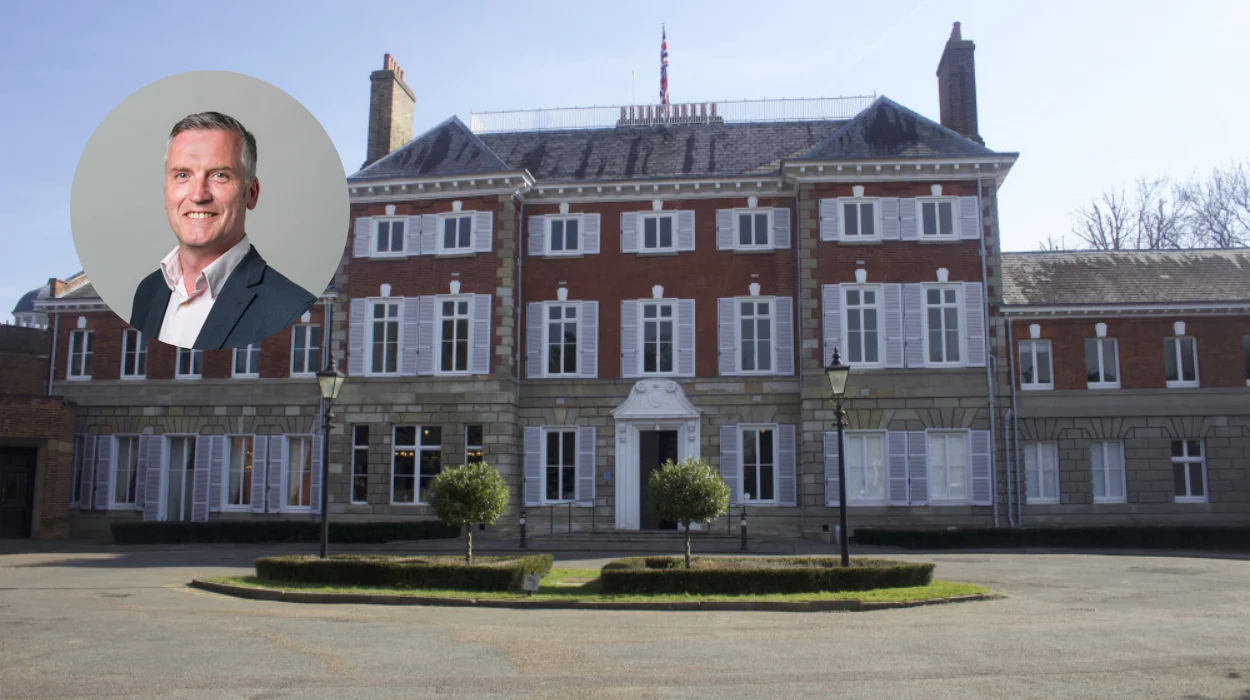
Leader of Richmond upon Thames Council, Councillor Gareth Roberts, warned on March 27, 2026, that the Mayor’s proposals to call in and potentially overturn local licensing decisions undermine local democracy. He highlighted risks to public trust, as the powers would allow intervention in decisions made by elected local representatives. The council’s statement appears amid ongoing local news coverage of borough developments, positioning the criticism as a direct response to the consultation deadline.
Roberts’ remarks echo broader concerns from suburban and central London councils about diluting local authority. Richmond, noted for its high-quality residential areas and community focus, has positioned itself against measures seen as overriding borough expertise.
Westminster Council Echoes Criticism
Westminster City Council, led by Labour but critical of the Mayor, stated the new powers would add bureaucracy without addressing key hospitality challenges like late-night transport, business rates, or public safety. Cabinet Member for Planning and Economic Development, Councillor Geoff Barraclough, described licensing as “not even close to the top issue” for businesses, arguing it promotes outdated focus on alcohol-centric nights out.
Barraclough noted that councils like Westminster possess local knowledge and experience to balance decisions, and Mayor intervention could prolong applications and create uncertainty. He opposed enabling the Mayor to intervene in every West End application, where local expertise has managed the night-time economy for years. Residents’ groups in Westminster share fears that their input on licensing will be sidelined.
Government Legislation Enables Call-In Powers
The powers stem from amendments in the English Devolution Bill, passed after opposition objections failed. If a borough rejects or restricts a licence deemed “strategically important,” the Mayor must decide whether to call it in. Strategic applications include those with significant economic impact, such as large venues, festivals, temporary events, high street locations, or those affecting London’s reputation.
Baroness Stevenage explained in Parliament that called-in decisions require the Mayor to consider his licensing policy and objectives like preventing crime and disorder. New appeal rights ensure judicious use, with a review planned two years after adoption this summer. The model draws from New York, where the Mayor influences licensing priorities.
Chancellor Rachel Reeves supported the trial to let hospitality flourish without bureaucratic hurdles. Deputy Prime Minister Angela Rayner noted complaints from vocal minorities often override growth needs.
Scope of Strategic Importance Defined
Applications qualify as strategically important if they impact London’s night-time economy significantly, including expansions for later hours or cultural events. The playbook provides best-practice guidance, but councils retain primary authority unless called in under exceptional circumstances, similar to planning appeals.
City Hall clarified call-ins occur only exceptionally, with the policy reviewed after two years. Hospitality leaders welcomed the consistency; UK Hospitality chair Kate Nicholls stated it treats iconic areas like Soho and the West End as economic priorities.
Broader Council and Resident Reactions
Camden Labour Councillor Jonathan Simpson welcomed the legislation last year, contrasting Westminster’s stance and alarming some residents. Residents’ groups, including Covent Garden Community Association’s David Kaner, worry the broad “strategic” definition allows Mayor override, potentially causing late-night disruption.
Westminster Conservatives called it a “power grab,” following Mayor interventions like Oxford Street management. The London Forum expressed concern over impacts on communities.
Camden’s licensing chief, Labour Councillor Camron Aref-Adib, noted the borough’s significant cultural economy but did not detail opposition.
Hospitality Sector Support and Aims
The policy targets revitalising high streets and supporting tourism, jobs, and growth. Mayor Khan aims to boost venues struggling with licences, aligning with Nightlife Taskforce recommendations. Expected implementation this summer follows consultation closure.
Industry feedback is encouraged to refine the framework, addressing bureaucracy concerns. The consultation page on the Mayor of London’s website details submission processes.