Key Points
- The Bayeux Tapestry: Returns to the British Museum for the first time in nearly 1,000 years, marking a historic cultural moment.
- Courtauld Gallery: Showcases radical 20th-century painting through a partnership with the Reuben Foundation, featuring never-before-exhibited Picasso portraits.
- Diverse Artistic Voices: Recent curatorial focus includes explorations of Pan-Africanism, celestial inspiration at the Saatchi Gallery, and South Asian contemporary art.
- Interactive and Contemporary: Institutions like the Tate Modern and Serpentine North Gallery are hosting innovative exhibitions featuring kinetic sculptures and heat-responsive works.
- Cultural Preservation: Major exhibitions addressing historical narratives, such as the V&A’s upcoming exploration of the Byzantine Empire and the British Museum’s deep dive into Korean history.
London (The Londoner News) August 21, 2026 – As the late summer season descends upon the capital, London’s art scene is preparing for a significant influx of world-class exhibitions, blending historical masterpieces with radical contemporary narratives that promise to redefine the city’s cultural landscape for the coming months.
Which Major Exhibitions Are Coming to London This Late Summer?
The art calendar for late 2026 is anchored by several highly anticipated institutional showcases. According to reporting by Tabish Khan of FAD Magazine, the city is currently navigating a vibrant mix of themes ranging from Pan-Africanism and clay artistry to the celestial interplay of the sun and the moon.
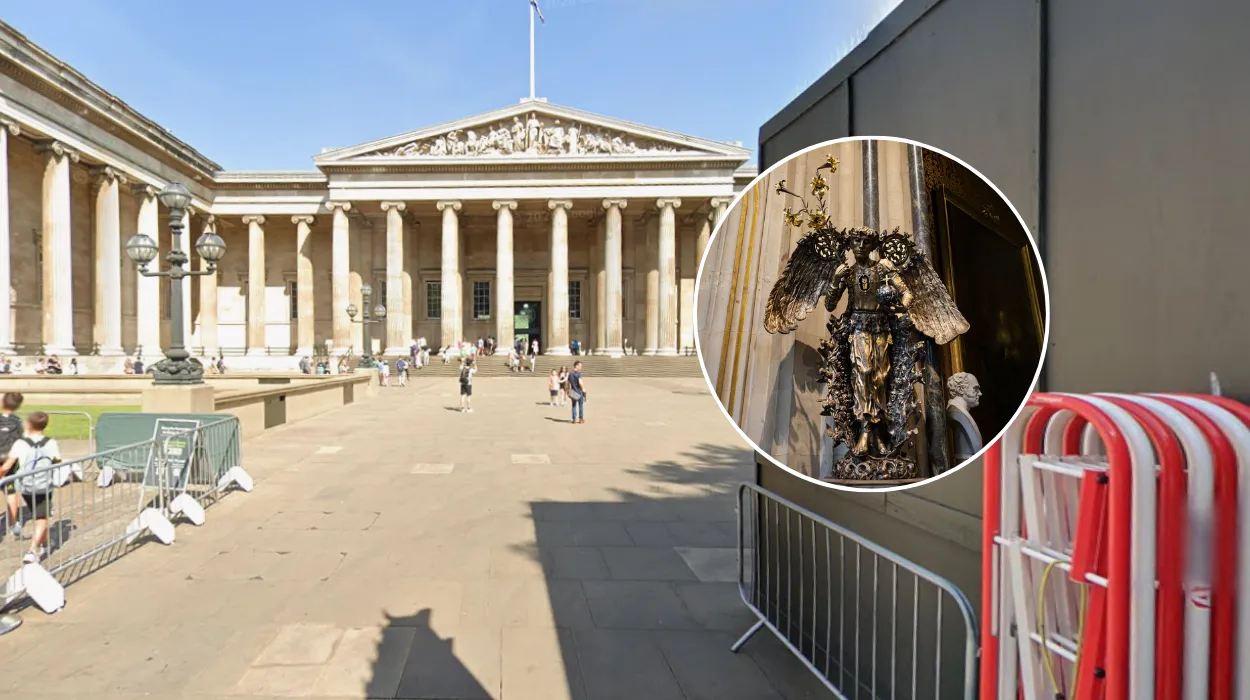
Among the most discussed events is the return of the 70-metre-long Bayeux Tapestry to the British Museum. As detailed by Christie’s, the tapestry was transported under police escort from northern France in early July and is scheduled to open to the public on 10 September 2026. This landmark loan, the first in nearly a millennium, depicts the events leading up to the 1066 Norman Conquest of England. Experts anticipate the exhibition may challenge longstanding visitor records, with the institution seeing high early interest.
Following closely in significance is the collaboration between the Courtauld Gallery and the Reuben Foundation. Beginning 18 September 2026, this exhibition will present seminal 20th-century works by masters such as Paul Cezanne, Fernand Léger, and René Magritte. Notably, as reported by Christie’s, the show will include three Picasso paintings—including two portraits of his lovers, Marie-Thérèse Walter and Dora Maar—that have never before been exhibited in the United Kingdom.
Explore more Central London News:
Rachel Johnson Uber Account Deactivated Over Rating in London 2026
Central London House Prices Fall 25% in Westminster, London 2026
What Does the Contemporary Art Scene Offer?
Beyond the blockbuster historical shows, London’s contemporary galleries are maintaining a brisk pace. Mark Westall of FAD Magazine notes that the Serpentine North Gallery will host artist Justin Caguiat in October, featuring heat-responsive paintings and a soundscape of bells.
Meanwhile, the Saatchi Gallery is currently presenting “The Sun and The Moon: Art Inspired by the Celestial,” a group exhibition that interprets the 24-hour cycle of light and shadow across two floors. Wallpaper* highlights that this showcase features both established and emerging artists responding to the themes of cosmic influence, a trend echoed in the South London Gallery’s recent presentation of Paulo Nimer Pjota’s Encantados, which samples musical and graffiti traditions to create a mythological world.
How Are Institutions Addressing Historical and Global Narratives?
There is a distinct move toward reframing global histories. The British Museum is preparing its first major exhibition of Korean art and history in over four decades, set to open in October. This follows the V&A South Kensington’s upcoming “Constantinople to Istanbul” exhibition, which explores the city through two major empires starting in November.
In the realm of contemporary photography and social narrative, the Tate Modern is set to explore the birth of art photography with “Light and Magic” in October. As reported by Mark Westall in FAD Magazine, this exhibition seeks to reframe the history of Pictorialism through 200 rare vintage photographs. Complementing this, Autograph is currently showing Nhu Xuan Hua’s Of Walking on Fire, which uses archival Vietnamese family photographs to investigate how history and trauma are transmitted across generations.
Why Is August Considered a Transitional Period for London Galleries?
While August is often colloquially referred to as a “quiet month” in the London art world, with many larger galleries observing a summer hiatus, observers note that it remains a period of significant activity for smaller institutions.
According to Wallpaper*, the “sleepy season” allows space for audiences to engage with longer-running shows. For example, the auto Italia gallery is currently presenting “Sensual / Mutual” by Del La Grace Volcano, an exhibition examining queer and feminist visual culture from the 1970s and 80s. These smaller-scale, often more radical exhibitions provide a necessary counterbalance to the larger museum retrospectives, ensuring that the London art scene remains fluid and responsive to current social discourse.
What Are the Emerging Themes in 2026?
A recurring thread across this season’s programming is the re-examination of “identity” and “legacy.” Whether it is the Sainsbury Centre’s “Joy Like Time” exhibition—which Tabish Khan of FAD Magazine describes as a reflective project on the human condition—or the ongoing focus on South Asian contemporary art as seen in the recent “The Meeting Ground” collection at Christie’s, curators are increasingly asking how art can mediate between the past and the present.
The FAD Magazine coverage emphasises that these exhibitions do not merely exist as passive objects of beauty. They function as active participants in ongoing debates about heritage, such as the exhibition
“Living by the Rule: Contemporary meets Medieval”
at the Sainsbury Centre, which juxtaposes monastic life with modern artistic interventions.
Summary of Upcoming Institutional Highlights
As the capital transitions into autumn, the following exhibitions serve as the pillars of the late 2026 season:
- The Bayeux Tapestry (British Museum): A historic 10-month residency starting 10 September.
- Modern Painting from the Courtauld and Reuben Collections (Courtauld Gallery): A major survey of early 20th-century modernism opening 18 September.
- Amar Kanwar (Serpentine North Gallery): An expansive look at the artist’s work, opening 23 September.
- Korea (British Museum): A comprehensive exploration of history and art, commencing 1 October.
- Renoir and Love (National Gallery): A significant retrospective of the Impressionist master starting 3 October.
Journalists and critics alike suggest that this late summer period serves as a bellwether for the rest of the year. By balancing the “big ticket” institutional shows with experimental contemporary work, London remains a focal point for global art discourse. Whether exploring the ancient Byzantine roots of Istanbul or the shifting, fractured nature of memory in contemporary photography, the city’s current exhibition programme offers a profound reflection on the narratives that continue to shape our world.
As noted by FAD Magazine and Wallpaper* throughout their recent coverage, those looking to engage with the city’s art should prepare for a season defined by both deep historical excavation and fearless contemporary experimentation. With the return of iconic artefacts and the unveiling of fresh, radical perspectives, the late summer of 2026 is shaping up to be a defining chapter in the history of London’s cultural institutions.