
Key Points
- The Controversial Suggestion: Westminster City Council has published a draft of the licensing policy for discussion, which advocates against “vertical drinking” by suggesting to discourage standing and drinking in pubs and bars in Soho and West End due to overcrowding and excessive noise.
- The Proposals Made: The draft has suggested that new bars must have seating facilities, must offer table service, and must restrict their working hours to 10 p.m. for new licenses.
- Intervention by Government: According to 10 Downing Street’s spokesman, the government has promised to safeguard the old-fashioned way of enjoying a bar experience with “busy pubs full of people talking to each other,” and not “a public nuisance.”
- Opposition from the Mayor: London’s mayor, Sadiq Khan, has described the measure as “restrictive” and “anti-growth” and plans to use the powers that have been given to him by the government to “call in” such decisions that might be detrimental to the city’s nightlife.
- Explanation by the Council: Westminster City Council officials, including Conservative councillor Paul Swaddle, have denied the presence of any ban on standing. They have termed the media reports about this ban as “confusing” and stated that the policy was designed to control the density of customers in a very crowded area.
- Industry Reaction: Hospitality businesses like Lesley Lewis, who is the owner of The French House in Soho, has expressed her fear that such measures would kill their business.
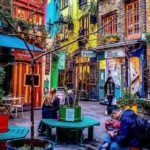
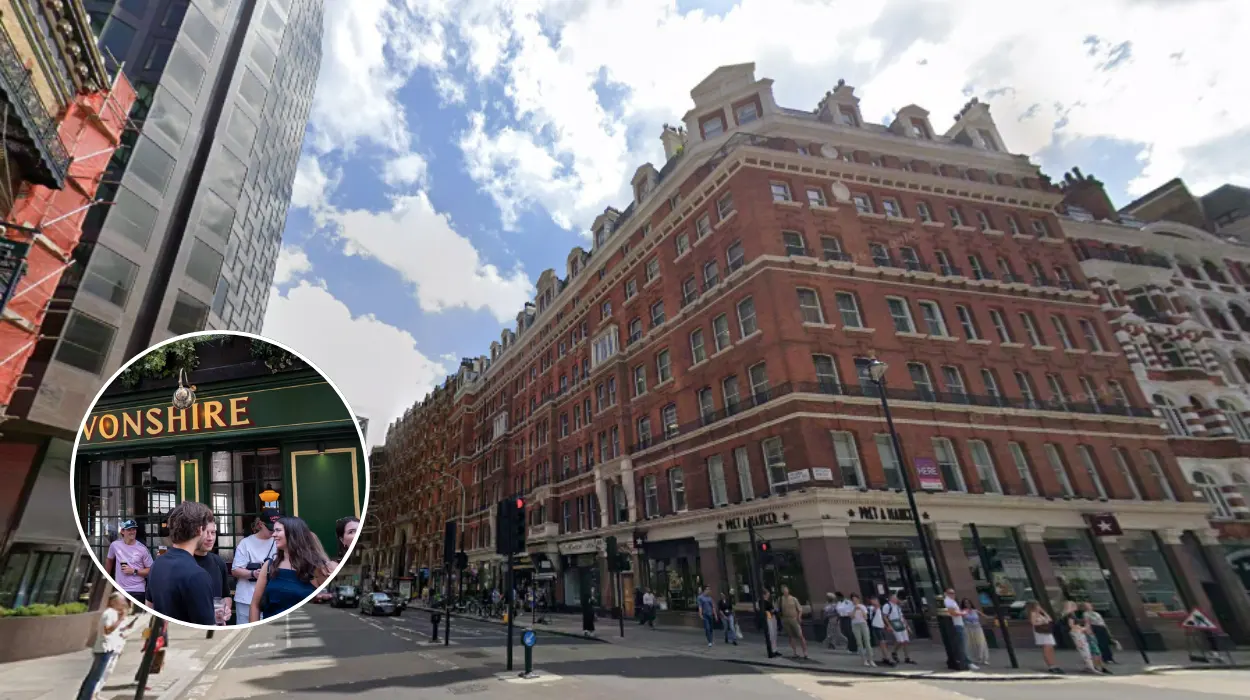
London (The Londoner News) August 7, 2026 — A firestorm of controversy has erupted across the United Kingdom’s capital following the publication of a draft licensing policy by Westminster City Council, which appears to threaten the centuries-old British tradition of “vertical drinking.” The council’s proposal, intended to address issues of overcrowding and noise in the West End and Soho, has drawn sharp rebukes from the heart of the British government, the Mayor of London, and a hospitality sector already struggling with economic headwinds.
Is Westminster Council planning to ban standing in pubs?
The controversy stems from a draft policy currently out for public consultation, which aims to address the dense concentration of licensed premises in central London. According to reports by The Guardian and City AM, the document suggests that in order to “discourage excessive drunkenness” and manage crowds, new licensing applications should encourage seating over open bar space.
Specifically, the draft encourages pubs to provide table service and move away from the traditional model where customers order at the bar and stand while consuming their drinks. The document suggests that by limiting “vertical drinking,” the council could reduce the noise levels and anti-social behavior that often spill out onto the footpaths of the busy West End.
However, the council has faced intense backlash, with critics interpreting the guidance as a de facto ban on standing. In response to the growing public outcry, Paul Swaddle, the Conservative leader of Westminster Council, told the Press Association that the media had provided “confusing stories” about the proposals. As quoted by The Guardian, Swaddle stated, “I want to be straight with people. There is no plan, and never has been, to ban drinking while standing up in a Westminster pub”.
In an official “myth-busting” statement, the council further clarified that the policy is intended to strike a balance between a thriving nightlife and the needs of residents in an area that manages millions of visitors annually.
Why is 10 Downing Street intervening in local licensing?
The intensity of the reaction reached the highest levels of government. A spokesperson for the UK Prime Minister, as reported by The Guardian and The Journal, issued a firm statement defending the social importance of the pub.
“Busy pubs full of people talking to each other is not a public nuisance, it is British life, and it is thousands of jobs,” the spokesperson stated, adding that the government is in the process of devolving new licensing powers to the Mayor of London specifically to prevent local authorities from enacting policies that stifle the hospitality sector.
The government’s stance emphasizes that Soho’s international reputation as a nightlife hub was not built on strict, sanitised licensing rules but rather on the vibrant, often chaotic, atmosphere that defines London’s social landscape.
How does the Mayor of London feel about the proposals?
London Mayor Sadiq Khan has positioned himself as a vocal opponent of the council’s draft. A spokesperson for the Mayor, as reported by ITV News, criticized the proposal as an example of “restrictive and anti-growth policies” that are currently failing business operators when they need support the most.
The Mayor’s office pointed to new powers that will soon allow City Hall to “call in” local licensing decisions—essentially giving the Mayor the authority to intervene in policies enacted by local councils like Westminster that are viewed as detrimental to the broader city economy. The spokesperson noted that this latest draft serves as further evidence that such restrictive measures are “stacked against” pubs and bars.
What is the reaction from Soho’s hospitality owners?
The hospitality industry has reacted with alarm, fearing the practical application of these rules could lead to closures and redundancies. Lesley Lewis, the owner of The French House in Soho—a staple of the district for decades—shared her blunt assessment of the proposals with ITV News.
“It will really finish us off,” Lewis said, warning that businesses in the area rely heavily on the high-volume capacity allowed by standing customers. “People want to enjoy themselves in Soho; they want to have a drink outside, they want to dance… they want to meet people and chat. If it’s that sanitised, it’ll kill it”.
According to Caterer Licensee, industry experts have also weighed in on the cultural implications. Philip Kolvin, a prominent licensing lawyer, argued that the policy ignores the fundamental role of the pub as a space for social mixing. He told The Guardian that standing at the bar is a form of “liquid sociability,” allowing strangers to connect in a way that is impossible when patrons are sequestered to individual tables.
Explore more Local London News:
Trapped Elderly Couple in Peabody Flat, London 2026
Lidl Under Fire for Staff Redundancies in West London 2026
Does the policy threaten the ‘character’ of the British pub?
The debate has sparked broader discussions about the future of urban planning and community life. Writing for The Guardian, columnist Simon Jenkins argued that the council’s push for seating-only environments demonstrates a failure to understand the sociological importance of the pub.
“That the pub should go too, at the very moment of becoming the community’s last defining institution, is a tragedy,” Jenkins wrote. He highlighted that vertical drinking—the ability to move freely, chat with strangers, and occupy a space without the need for a reservation—is the essence of what makes a pub a “community institution” rather than just a commercial dining venue.
Critics of the council, including the Soho Business Alliance, have expressed sadness at what they perceive as an attempt to “sanitise” the area. A spokesperson for the alliance told the Press Association, as reported by ITV News, that the current environment in Soho does not equate to increased crime or disorder, and they questioned the necessity of the council’s intervention.
What happens next in the consultation process?
As the draft policy remains under public consultation, the conflict highlights a growing tension between local municipal governance and the desire to protect the vibrancy of the night-time economy. While Westminster Council maintains that their goal is to manage density and improve public safety in the “Cumulative Impact Zone,” the chorus of dissent from Whitehall, City Hall, and local business owners suggests a difficult path forward for the proposed changes.
For now, the debate over “vertical drinking” serves as a lightning rod for broader questions: can London balance its need for orderly, safe streets with the preservation of the untidy, lively, and socially fluid traditions that have defined its pubs for centuries? As the consultation proceeds, all eyes will be on whether the council adjusts its stance or if the newly empowered Mayor of London steps in to force a change in direction.