

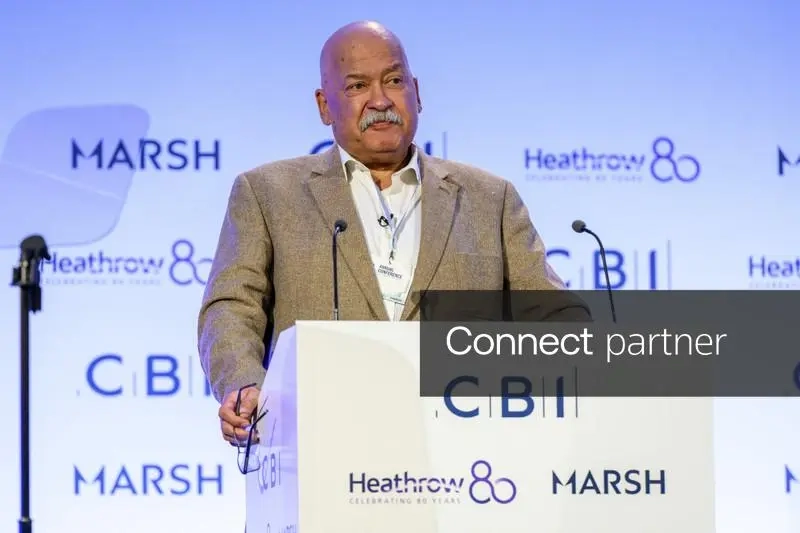
- Keynote Address at QEII Centre: Former Labour cabinet minister the Rt Hon Alan Milburn spoke at the Confederation of British Industry (CBI) annual conference at the Queen Elizabeth II Centre in London on Monday, 23 November 2026.
- Response to Youth Unemployment Review: Addressing business leaders and joining a conference panel following the 17 November 2026 publication of his government-commissioned review, From a Welfare State to a Working State: a new settlement for the next generation, Milburn stated that his report has “touched a nerve” and that businesses want to help bring young people into work.
- Focus on Young People Not in Education, Employment, or Training (NEETs): Milburn’s appearance centred on examining the structural barriers keeping young people out of the UK labour market, advocating a systemic transition from a welfare-led approach to a “working state” focused on youth participation.
- Proposals Affecting Employers and Youth Opportunities: The 278-page report proposes doubling youth apprenticeships, introducing specialist career advisers, offering tax or employer National Insurance relief for businesses hiring young people, and pairing guaranteed work or training offers with benefit sanctions for non-engagement.
- Broader CBI Conference Agenda: Milburn spoke alongside senior political and corporate figures—including CBI Chief Executive Rain Newton-Smith and First Secretary of State Louise Haigh—during a conference dominated by debates over utility governance, private infrastructure investment, and labour market reform.
London (The Londoner News) November 23, 2026 – Former Labour cabinet minister Alan Milburn addressed the Confederation of British Industry (CBI) annual conference at the Queen Elizabeth II Centre in London on Monday, 23 November 2026, outlining how British employers can help tackle youth unemployment. Speaking six days after publishing his landmark 278-page government review, From a Welfare State to a Working State, Milburn told business delegates that his findings had “touched a nerve” and demonstrated strong corporate appetite to bring young people into work. His remarks formed a central pillar of the CBI’s 2026 gathering, which brought together government ministers, opposition figures, and senior executives to debate employment, taxation, and infrastructure investment.
- What Was the Focus of Alan Milburn’s Appearance at the CBI Conference?
- What Statements Has Alan Milburn Made Regarding His Youth Employment Review?
- How Have Business Leaders and Ministers Responded to Milburn’s Proposals?
- How Do the Key Elements of Alan Milburn’s Speech and Review Compare?
- Background of the Particular Development After the News
- How This Development Can Affect UK Employers, Young Jobseekers, and Labour Policy
As documented by photojournalist Ray Tang of Anadolu Agency and reported by Business Live, former politician Alan Milburn delivered a speech and joined a panel discussion at the Confederation of British Industry (CBI) annual conference held at the Queen Elizabeth II Centre in London, United Kingdom, on Monday, 23 November 2026.
Addressing senior corporate leaders less than a week after publishing his government-commissioned review into youth unemployment, Milburn focused his remarks on the barriers keeping young people out of work and the role of private employers in creating entry-level opportunities. As reported by Business Live, Alan Milburn stated that his report had “touched a nerve” and that businesses want to help young people into work.
What Was the Focus of Alan Milburn’s Appearance at the CBI Conference?
According to the official CBI Annual Conference 2026 programme and UK media coverage, Milburn’s address centred on the findings of his review examining young people who are not in education, employment, or training (NEETs):
- Transitioning From a Welfare State to a Working State: Published on 17 November 2026 under the title From a Welfare State to a Working State: a new settlement for the next generation, Milburn’s 278-page review calls for a “whole system reset” across benefits, education, skills, health, and labour market policy to make youth participation a central national objective.
- Proposals Involving British Employers: As reported by The Guardian social policy editor Patrick Butler and Ground News dispatches, Milburn’s blueprint proposes doubling the number of youth apprenticeships, rolling out a cohort of specialist career advisers, and easing employer National Insurance or business taxes for companies hiring young people.
- Guaranteed Work or Training Alongside Benefit Reforms: Under the framework set out by Milburn, young people would receive a formal guarantee of employment or training support, paired with benefit sanctions for those who do not engage, alongside proposed changes replacing higher out-of-work disability payments for young claimants with a lower standard rate aimed at encouraging workforce participation.
What Statements Has Alan Milburn Made Regarding His Youth Employment Review?
In launching and discussing his review ahead of and during the London conference, Milburn framed youth unemployment as an urgent economic and moral challenge requiring partnership between government and industry:
- Remarks on Generational Opportunity: As reported by FE News and Radio NewsHub from the launch of the review on 17 November 2026, Alan Milburn stated: “A lost generation is not a fact of life. It is a choice. And I believe it is the wrong one. Not just because it is a fiscal crisis or an economic crisis. But because it is a moral one. We are failing as a nation to gift the next generation the opportunities they need to succeed. It is time for a new settlement that makes work not welfare the future for the next generation. Demographic change makes getting young people into work a necessity. Britain’s future relies on us backing young people”.
- Written Assessment in the Official Report Foreword: Writing in the foreword to From a Welfare State to a Working State published by the UK government on 17 November 2026, Alan Milburn stated: “The young people I have met over the last year are not asking for an easier life. They are asking for a fair chance to build one. Our generation has a responsibility to give them that chance”.
How Have Business Leaders and Ministers Responded to Milburn’s Proposals?
Milburn’s speech at the Queen Elizabeth II Centre took place alongside addresses from CBI Chief Executive Rain Newton-Smith, First Secretary of State Louise Haigh, and opposition leaders during a full-day programme running from 08:45 to 17:10 on 23 November 2026:
- CBI Response to the Review: Following the publication of the review on 17 November 2026, CBI Chief Executive Rain Newton-Smith welcomed its focus on employer engagement and youth skills, while urging ministers at the 23 November conference to ensure businesses receive clear, predictable policy support rather than heavy tax burdens.
- Endorsement From Prime Minister Andy Burnham: Speaking ahead of the conference on 23 November 2026, as reported by ITV News, Prime Minister Andy Burnham praised Milburn’s work, stating: “And I absolutely believe we can both address the issue of Neets, which I think Alan Milburn did excellently this week, and we can address the issue of young people having the freedom to go and work and live in Europe”.
How Do the Key Elements of Alan Milburn’s Speech and Review Compare?
A structured summary outlines the core details of Alan Milburn’s 23 November 2026 CBI conference appearance and the policy review underpinning his address:
| Event / Policy Dimension | Key Details & Figures | Institutional & Political Context |
| Conference Appearance | Monday, 23 November 2026 at Queen Elizabeth II Centre, London. | Annual CBI conference featuring Rain Newton-Smith, Louise Haigh, and business leaders. |
| Underlying Policy Report | From a Welfare State to a Working State (278 pages, published 17 November 2026). | Government-commissioned review examining barriers keeping young people out of work. |
| Core Youth Proposals | Double youth apprenticeships; specialist career advisers; youth work/training guarantee. | Paired with employer tax/National Insurance incentives and welfare conditionality reforms. |
| Key Conference Message | Report has “touched a nerve”; businesses want to help young people enter employment. | Reflects active engagement from corporate leaders alongside trade union and welfare debate. |
Background of the Particular Development After the News
The Rt Hon Alan Milburn, who served as Secretary of State for Health and Chief Secretary to the Treasury under former Prime Minister Tony Blair between 1998 and 2003, has long focused on social mobility and public service reform—having previously chaired the UK’s Social Mobility Commission. Amid rising numbers of young people aged 16 to 24 classified as not in education, employment, or training (NEET) following post-pandemic labour market shifts and rising youth health claims, the UK government appointed Milburn to lead an independent review into the structural causes of youth economic inactivity.
His final 278-page report, From a Welfare State to a Working State, was unveiled on 17 November 2026, generating intense political discussion across Whitehall, trade unions, and business associations. While ministers signalled support for employer hiring incentives—including potential National Insurance reductions for hiring young workers—the report’s proposals to restructure youth disability benefits drew scrutiny from anti-poverty campaigners and backbench MPs concerned about potential income reductions for vulnerable claimants.
How This Development Can Affect UK Employers, Young Jobseekers, and Labour Policy
Alan Milburn’s direct engagement with corporate leaders at the CBI annual conference carries several practical implications for British businesses, young adults, and employment policy heading into 2027:
1. Expanded Hiring Incentives and Apprenticeship Partnerships for UK Businesses
For British employers across retail, hospitality, manufacturing, and professional services, government adoption of Milburn’s recommendations—particularly employer National Insurance relief and expanded apprenticeship frameworks—could lower the cost of recruiting and training entry-level staff while placing greater responsibility on firms to offer structured placements.
2. Stricter Participation Requirements and Career Support for Young People
For young people aged 16 to 24 currently outside education or work, the shift toward a “working state” model signals expanded access to dedicated career advisers and guaranteed training pathways, alongside stricter benefit conditionality if training or employment offers are declined.
3. Ongoing Parliamentary and Union Debate Over Welfare Reforms
For UK ministers, trade unions, and social policy groups, translating Milburn’s 278-page blueprint into legislation will require balancing employer-backed hiring incentives with protections against youth poverty as Parliament debates changes to youth benefit entitlements.