
Key Points
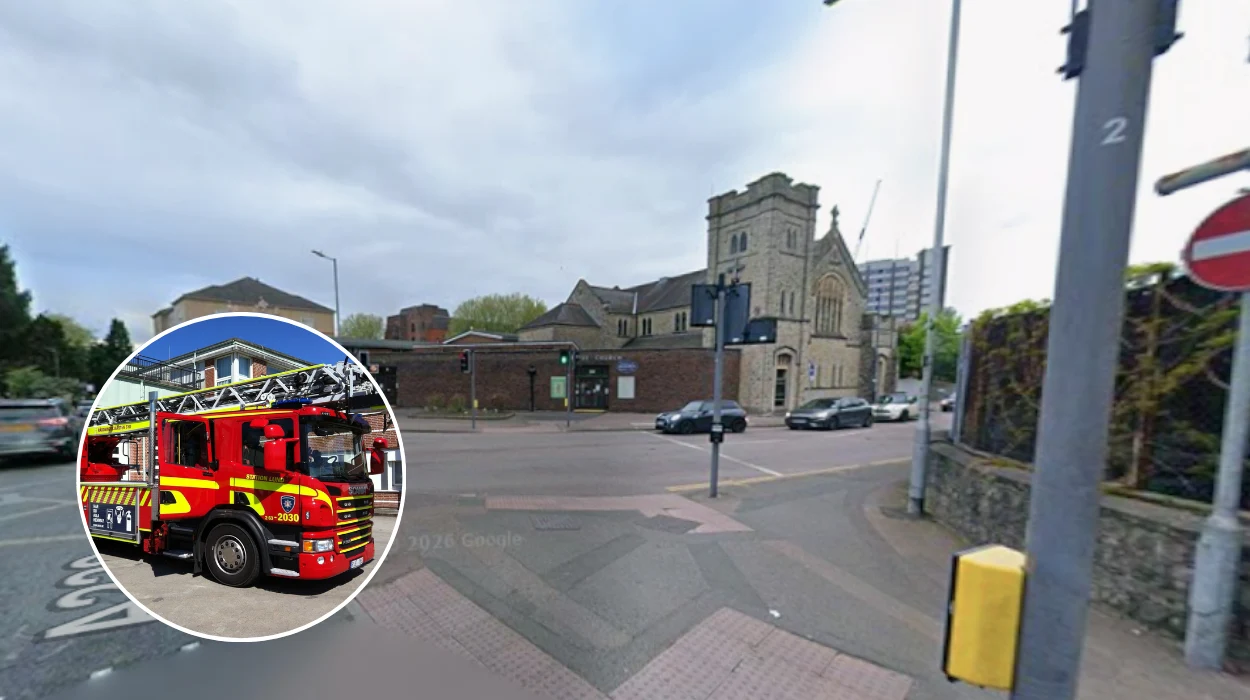
- One of Kent Fire and Rescue Service’s (KFRS) three essential height vehicles has officially returned to active duty after a period of maintenance.
- During the operational absence of the service’s own specialist vehicles, KFRS relied on a pre-planned mutual aid agreement with the London Fire Brigade (LFB) to position an alternative height asset within Kent.
- High-level fire and rescue operations have now safely reverted to local resources following confirmation that the loaned LFB specialist unit is no longer stationed within the county.
- Strategic fire leadership has praised the seamless inter-agency collaboration, noting that the cross-border contingency successfully maintained public safety across the region’s complex structures.
- While the reintroduction of the first primary aerial asset significantly bolsters local capacity, senior fire officials have not yet confirmed the precise timeline for when the remaining two height vehicles will complete their service updates and rejoin the fleet.
Maidstone (The Londoner News) July 9, 2026 – Public safety cover across Kent has returned to a stable local footing following the official reintroduction of a primary specialist height vehicle to front-line emergency response duties. The Kent Fire and Rescue Service (KFRS) confirmed that the high-reach aerial appliance has fully completed its necessary mechanical interventions and is now operational at its strategic base. The return marks a critical milestone for regional emergency capabilities, effectively ending a temporary contingency period during which the county was dependent on heavy machinery assets deployed from neighbouring fire authorities to handle complex high-rise and industrial incidents.
During the operational downtime of Kent’s dedicated aerial assets, the service successfully enacted a long-standing, pre-planned mutual aid protocol with the London Fire Brigade (LFB). Under this reciprocal emergency arrangement, an LFB specialist height vehicle was physically relocated and stationed inside the borders of Kent to ensure continuous, uninterrupted cover for rescues from height and elevated water-delivering operations. Following the successful deployment of Kent’s own refurbished unit, fire officials confirmed that the temporary assets provided by the LFB have concluded their deployment and are no longer stationed within the county.
While the return of this solitary height vehicle restores a vital layer of localized operational resilience, structural questions remain regarding the long-term status of Kent’s specialist fleet. KFRS has yet to issue specific dates or programmatic timelines outlining when its other two remaining height vehicles—which are currently sidelined for similar routine or corrective maintenance routines—will be deemed fit to rejoin active operational rotations.
Why Are Height Vehicles Crucial for Kent’s Fire Cover?
As highlighted in extensive structural coverage by local authority updates, height vehicles—frequently operating as Aerial Ladder Platforms (ALPs) or high-reach turntable ladders—serve as indispensable assets within modern firefighting frameworks. These massive mechanical platforms extend multiple stories into the air, allowing crews to execute delicate rescue maneuvers from the windows of high-rise residential buildings, commercial complexes, and industrial sites.
Beyond their primary function as life-saving extraction platforms, height vehicles act as elevated water monitors. They allow crews to pump thousands of litres of water per minute directly downwards onto intense roof fires or volatile chemical structures, containing blazes that standard ground-level hose reels cannot effectively reach. The temporary loss of multiple units within a single county creates a profound operational deficit, requiring immediate mitigation through mutual aid networks to prevent systemic vulnerabilities in regional emergency response.
What Was the Nature of the Agreement with the London Fire Brigade?
To bridge the operational gap created by the maintenance cycle, KFRS activated strategic mutual aid agreements that exist between boundary-sharing UK emergency services. As documented by regional emergency response logs, Matthew Deadman, the Director of Response and Resilience at Kent Fire and Rescue Service, had previously explained that the organization was actively utilizing a pre-planned agreement with their professional colleagues at the London Fire Brigade to strategically have one of their capital-based height vehicles based within the county of Kent.
This cross-border asset sharing is a standard pillar of the UK Fire and Rescue Service’s overarching national resilience strategy. Rather than leaving the high-rise sectors of Kent exposed to extended travel times from stations deep within Greater London during active emergencies, the LFB vehicle and its required operational support parameters were stationed directly inside Kent’s borders. This proactive positioning ensured that response times to critical vertical incidents remained strictly within acceptable statutory limits.
Explore more Fire News:
Seventy Firefighters Battle Severe Residential House Fire in Thornton Heath 2026
Car Destroyed in Fire on Marlborough Hill Harrow 2026
When Will the Remaining Strategic Height Vehicles Return to Service?
Despite the positive step forward represented by the return of the first vehicle, full fleet operational capacity has not yet been achieved. In public updates regarding the status of the county’s specialized mechanical fleet, the leadership of KFRS has not confirmed when the other two height vehicles would return to service.
The lack of a concrete public timeline leaves a portion of the service’s long-term internal reserve capacity unfulfilled, meaning that the service will operate under an enhanced vigilance framework until all three primary organic assets are fully active. Fleet maintenance for highly specialized aerial platforms often involves stringent safety certifications, complex hydraulic testing, and precision sourcing of specialized components, which frequently prevents fire authorities from declaring definitive return schedules prematurely.
How Can Members of the Public Engage and Share News Leads?
Local journalism relies heavily on active engagement from residents who witness developing events across the community. To maintain a strong link with the community, media outlets encourage people to follow BBC Kent on Facebook, X, and on Instagram, and listen to BBC Radio Kent on Sounds.
Additionally, if you possess direct knowledge of local community developments or emerging public safety matters, you can send your story ideas to southeasttoday@bbc.co.uk or WhatsApp the newsroom directly on 08081 002250 to help maintain transparent regional reporting.