London’s great libraries stand among the most important intellectual institutions in the world. They preserve written knowledge, support academic research, encourage public education, and protect cultural heritage across centuries. From medieval monastic collections to modern national archives, London’s libraries have shaped literature, science, law, religion, politics, and education while influencing scholars and readers far beyond Britain.
- Why have London’s great libraries played such an important role in the history of learning?
- How did medieval libraries establish London’s intellectual foundations?
- Which libraries became London’s most influential centres of knowledge?
- How have London’s libraries influenced literature throughout history?
- How did libraries contribute to scientific discovery and public education?
- What architectural styles define London’s historic libraries?
- How do London’s libraries preserve rare books and historical manuscripts?
- What evidence demonstrates the lasting cultural importance of London’s libraries?
- Why do London’s great libraries remain relevant in the digital age?
- Frequently Asked Question
The city’s libraries developed alongside London’s growth as a political, commercial, and educational centre. Their collections document nearly every stage of British history, preserving manuscripts, printed books, maps, newspapers, government records, music, and personal archives. Today, these institutions continue serving millions of researchers, students, tourists, and local communities while safeguarding collections that span more than one thousand years.
Why have London’s great libraries played such an important role in the history of learning?
London’s great libraries became centres of learning by preserving knowledge, expanding public access to books, supporting universities and scientific research, protecting historical manuscripts, and encouraging literary culture. Their collections connected medieval scholarship with modern education while influencing writers, historians, scientists, and policymakers for centuries.
Libraries existed in London long before the invention of printing. During the early medieval period, religious communities copied manuscripts by hand inside monasteries and cathedral scriptoria. These collections preserved religious texts alongside works on philosophy, medicine, astronomy, mathematics, and classical literature.
Following the Norman Conquest in 1066, London expanded as England’s political capital. Royal administration required increasingly sophisticated record keeping, while churches and legal institutions collected books to educate clergy and administrators.
The invention of Johannes Gutenberg’s movable-type printing press around 1450 transformed access to books across Europe. Although printing began on the continent, English printer William Caxton established England’s first printing press at Westminster in 1476. Printed books became more affordable, increasing literacy and expanding library collections throughout London.
By the seventeenth century, London’s libraries had become centres for scholars studying law, theology, medicine, navigation, commerce, and natural philosophy. The Enlightenment further strengthened libraries as institutions supporting scientific inquiry and public education.
During the nineteenth century, industrialisation and educational reforms dramatically increased literacy rates. Public libraries expanded access to knowledge beyond universities and wealthy private collectors. The Public Libraries Act of 1850 enabled local authorities to establish free public libraries, creating a lasting foundation for community education across London.
Today, London’s libraries collectively preserve millions of printed works, manuscripts, maps, photographs, newspapers, recordings, and digital collections that continue supporting global scholarship.
How did medieval libraries establish London’s intellectual foundations?
Medieval libraries created London’s earliest knowledge infrastructure by preserving handwritten manuscripts, educating clergy, maintaining legal records, and safeguarding classical learning. Their collections survived political change, religious reform, and social transformation, allowing later generations to build modern educational institutions upon medieval scholarship.
Before widespread literacy, books represented valuable handcrafted objects. Monks copied manuscripts using parchment, ink, and careful calligraphy. A single manuscript often required months or even years to complete.
London’s religious institutions, including St Paul’s Cathedral and Westminster Abbey, accumulated collections covering theology, canon law, history, medicine, astronomy, and Latin literature.
The medieval university system also expanded demand for books. Although Oxford and Cambridge became England’s major universities, London remained an important commercial centre where scholars purchased manuscripts and exchanged ideas.
The establishment of the Inns of Court strengthened legal education in London. Lawyers required extensive collections of statutes, judicial decisions, Roman law, and legal commentaries. These legal libraries became essential components of England’s developing common law system.
Despite losses caused by fires, warfare, and the Dissolution of the Monasteries under Henry VIII between 1536 and 1541, numerous manuscripts survived through private collectors, universities, and later national institutions.
Modern researchers continue studying medieval manuscripts preserved in London’s collections to understand language development, religious history, genealogy, medicine, cartography, and political administration.
Which libraries became London’s most influential centres of knowledge?
Several institutions transformed London into a global centre of scholarship by preserving rare collections, supporting public education, expanding academic research, and protecting historical records. Together they represent centuries of intellectual development across literature, science, law, and government.
The British Library
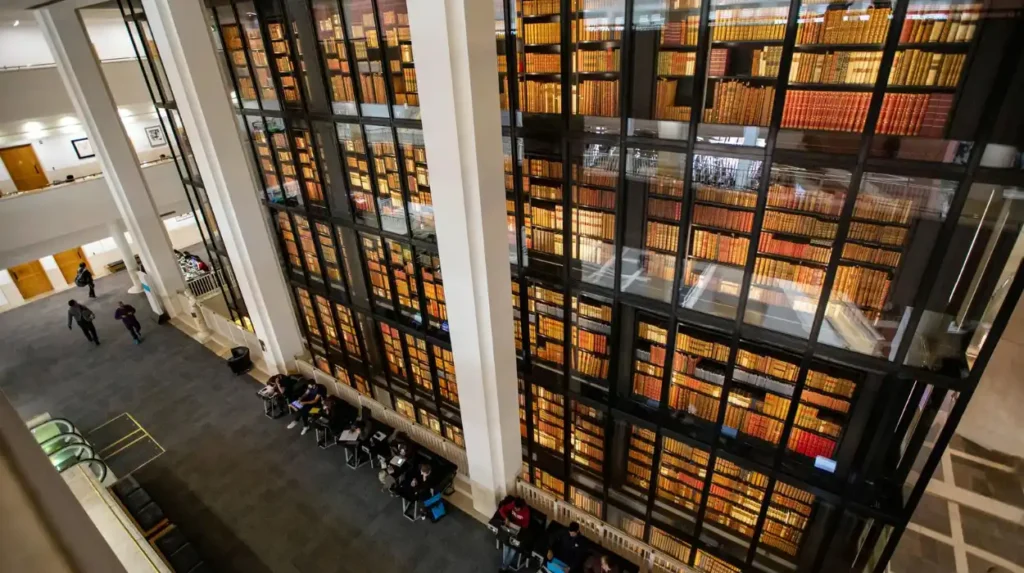
The British Library officially opened in 1973 after separating from the British Museum Library, although many of its collections date back to the eighteenth century.
Today it houses more than 170 million collection items in over 400 languages. The collection includes books, manuscripts, newspapers, maps, patents, sound recordings, music, photographs, and digital archives.
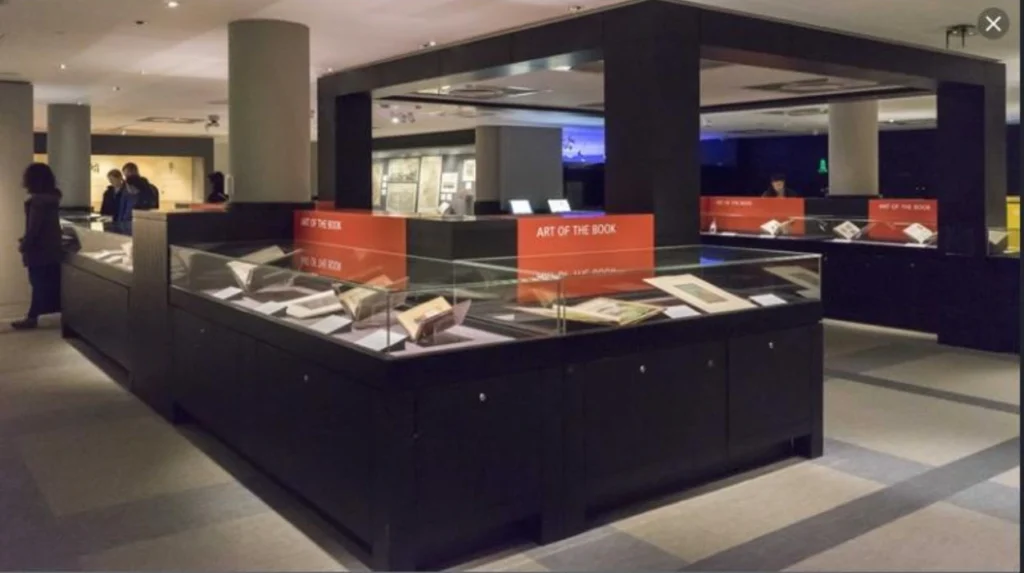
Its famous treasures include the Magna Carta, the Lindisfarne Gospels, Leonardo da Vinci notebooks, Shakespeare First Folios, and original manuscripts by Charles Dickens, Jane Austen, and Lewis Carroll.
Researchers from around the world use these collections to study history, linguistics, archaeology, literature, politics, and science.
The Guildhall Library
Established in 1828, the Guildhall Library specialises in the history of the City of London.
Its collections document London’s commercial development through business records, parish registers, directories, maps, and historical newspapers. Genealogists frequently consult these archives when researching London families and local history.
The London Library
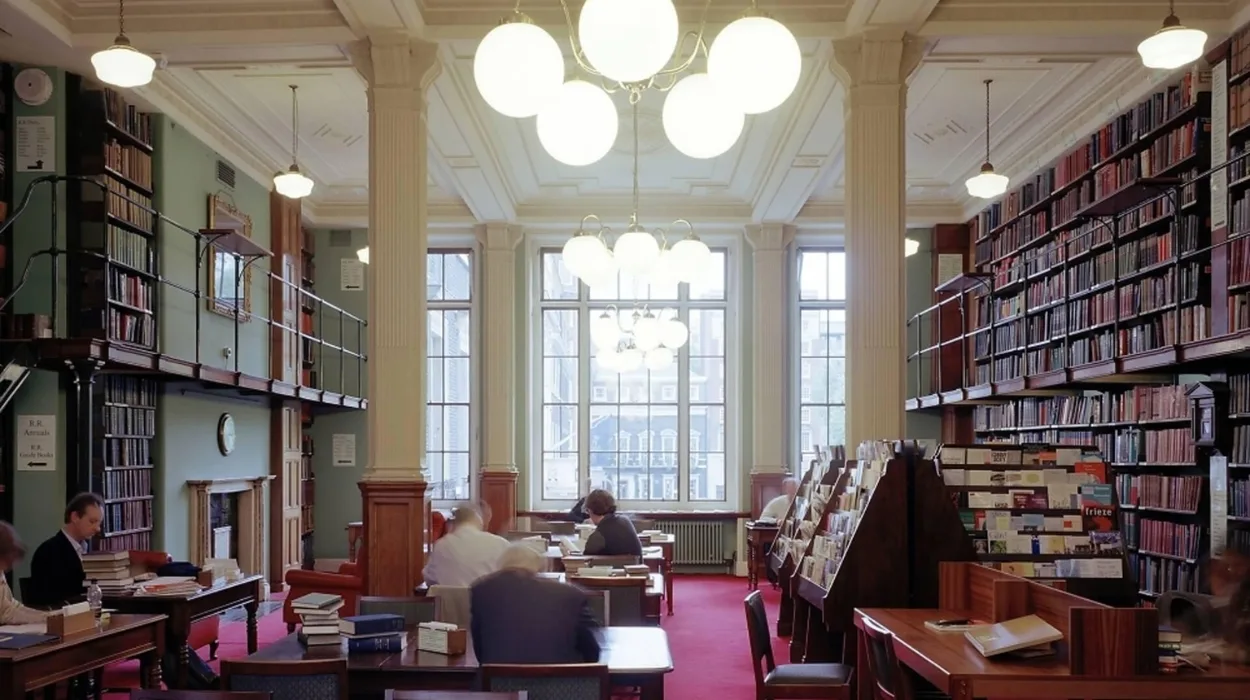
Founded in 1841 by historian Thomas Carlyle, the London Library became one of Britain’s leading independent lending libraries.
Many distinguished writers worked within its collections, including Charles Dickens, Virginia Woolf, T. S. Eliot, Arthur Conan Doyle, Agatha Christie, and Ian Fleming.
Its open-access shelving system represented an important innovation, allowing readers to browse collections independently.
Senate House Library
Part of the University of London, Senate House Library supports humanities and social science research.
Its collections include rare books, archives, special collections, and historical documents covering literature, philosophy, history, economics, and political science.
How have London’s libraries influenced literature throughout history?
London’s libraries shaped literature by preserving earlier texts, inspiring writers, supporting research, encouraging literary communities, and protecting original manuscripts. Their collections enabled authors to study history, language, mythology, law, and science while creating influential works across multiple literary periods.
Libraries supplied authors with reliable historical sources long before digital databases existed.
Charles Dickens consulted historical records while writing historical novels and social commentary.
Virginia Woolf explored literature, philosophy, and classical texts while developing modernist fiction.
Arthur Conan Doyle researched forensic science, medicine, and legal practice that influenced Sherlock Holmes investigations.
T. S. Eliot studied philosophy, comparative religion, and literary criticism within London’s research collections before publishing influential poetry.
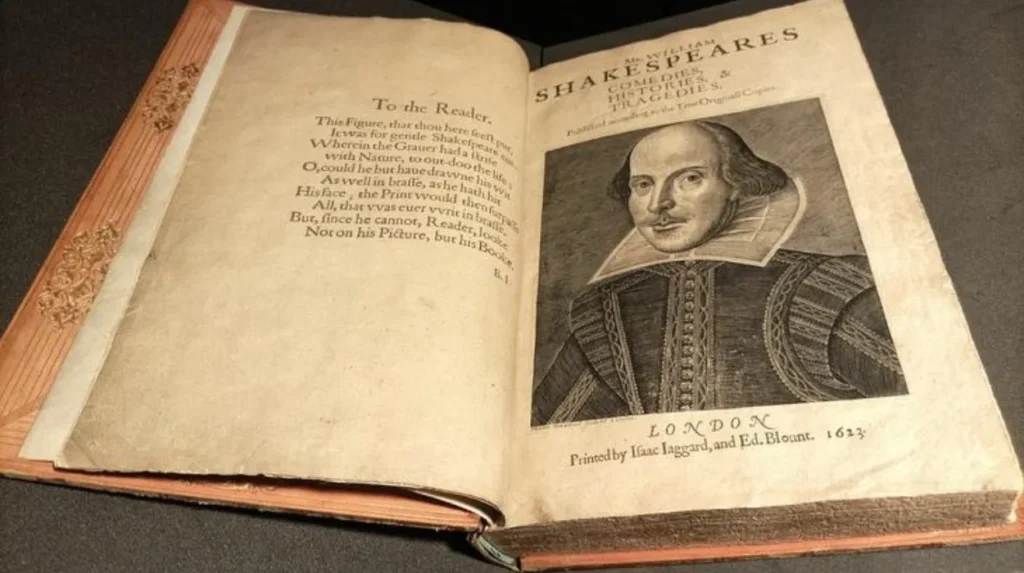
The preservation of Shakespeare’s First Folios has allowed scholars to establish authoritative editions of plays that continue shaping theatre worldwide.
Libraries also preserved manuscripts from Romantic poets, Victorian novelists, twentieth-century playwrights, historians, and political thinkers whose works remain essential to literary scholarship.
Modern literary researchers continue examining handwritten drafts to understand revision processes, editorial decisions, and creative development.
How did libraries contribute to scientific discovery and public education?
Libraries accelerated scientific progress by collecting research publications, supporting scholarly collaboration, preserving experimental records, and expanding educational access. Their collections connected scientists across generations while enabling universities, medical institutions, and public readers to share verified knowledge.
The Scientific Revolution during the seventeenth century transformed libraries into centres for scientific communication.
Researchers required access to astronomy, mathematics, chemistry, medicine, engineering, and geography. Libraries preserved published discoveries while enabling future scientists to verify earlier work.
The establishment of the Royal Society in 1660 increased demand for scientific literature.
Libraries acquired journals documenting discoveries in physics, biology, geology, and natural history.
Medical education benefited from anatomical illustrations, pharmaceutical texts, and hospital records available within specialist collections.
During the nineteenth century, public libraries helped expand literacy among industrial workers. Reading rooms provided educational opportunities for individuals who lacked access to formal higher education.
Children’s libraries, reference collections, newspapers, and technical manuals contributed to workforce development during Britain’s industrial expansion.
Modern libraries continue supporting lifelong education through digital archives, electronic journals, public lectures, exhibitions, and educational outreach programmes.
What architectural styles define London’s historic libraries?
London’s historic libraries reflect changing architectural movements through medieval, Georgian, Victorian, Edwardian, and modern designs. Their buildings combine functionality with symbolism, expressing society’s commitment to education, preservation, scholarship, and civic identity across different historical periods.
Early library spaces occupied monastery buildings featuring stone walls, vaulted ceilings, and narrow windows designed to protect manuscripts.
Georgian libraries introduced symmetry, proportion, and classical decoration reflecting Enlightenment ideals of order and rationality.
Victorian libraries often incorporated Gothic Revival architecture, emphasising ornate interiors, decorative stonework, stained glass, carved wood, and impressive reading rooms.
Twentieth-century library buildings increasingly balanced historic preservation with modern research requirements, including climate-controlled storage, conservation laboratories, digital infrastructure, and accessibility improvements.
Many historic reading rooms remain architectural attractions in their own right because they combine craftsmanship with practical design supporting concentrated study.
To experience these historic landmarks in person today, consult our comprehensive [Insert Anchor Text for Things to Do Article Here] for itineraries and visiting parameters.
To experience these historic landmarks in person today, consult our comprehensive Best Historic Pubs in London for Traditional Food, Drinks, and Authentic British Atmosphere for itineraries and visiting parameters.
How do London’s libraries preserve rare books and historical manuscripts?
London’s libraries protect rare collections through environmental control, conservation science, digitisation, specialist storage, and scholarly documentation. These preservation methods reduce physical deterioration while expanding worldwide research access through carefully managed digital collections and professional conservation programmes.
Books naturally deteriorate through light exposure, humidity, temperature fluctuations, pollution, insects, and repeated handling.
Professional conservators stabilise damaged manuscripts using specialised papers, adhesives, bindings, and non-invasive repair techniques.
Climate-controlled storage maintains stable humidity and temperature to reduce chemical degradation.
Digitisation projects photograph manuscripts and books at high resolution, allowing researchers worldwide to study fragile documents without excessive physical handling.
Libraries also maintain detailed catalogues describing provenance, ownership history, condition reports, and conservation treatments.
Disaster preparedness plans protect collections from fire, flooding, and environmental emergencies through specialised storage systems and emergency response procedures.
These preservation practices ensure collections remain available for future generations while reducing irreversible damage to historically significant materials.
What evidence demonstrates the lasting cultural importance of London’s libraries?
Historical collections, visitor numbers, international research collaborations, conservation projects, and UNESCO-recognised documents demonstrate London’s continuing importance as a global centre for cultural preservation, historical research, and literary scholarship. These institutions remain essential educational resources serving diverse audiences worldwide.
The British Library receives hundreds of thousands of reading room visits annually while welcoming millions of exhibition visitors and online users accessing digital collections.
Its legal deposit status ensures that one copy of every publication produced in the United Kingdom and Ireland enters the national collection, creating an unparalleled historical record of publishing.
Guildhall Library archives preserve centuries of London’s commercial, civic, and parish history that support urban historians, family historians, economists, and legal researchers.
University libraries across London continue collaborating with museums, archives, and international institutions on digitisation, conservation, and research initiatives.
Large-scale digital collections increasingly make manuscripts, newspapers, photographs, maps, and recordings accessible to global audiences without requiring physical travel.
These developments strengthen educational equality while preserving fragile originals through reduced handling.
The continued investment in conservation laboratories, digital preservation technologies, and scholarly partnerships demonstrates the enduring public value of London’s libraries.
Why do London’s great libraries remain relevant in the digital age?
London’s great libraries remain indispensable because they preserve authentic historical evidence, provide expert research services, protect irreplaceable collections, support digital scholarship, and maintain public access to verified knowledge. Their role has expanded rather than diminished during the information age.
Digital technology has transformed library services without replacing their fundamental purpose.
Researchers increasingly combine physical archives with digitised collections, allowing broader access while maintaining scholarly standards.
Libraries verify provenance, preserve original documents, maintain authoritative catalogues, and provide expert guidance unavailable through general internet searches.
Artificial intelligence, digital humanities, and computational research increasingly depend upon accurately catalogued historical collections created by libraries over many decades.
Educational programmes, exhibitions, public lectures, school partnerships, and community outreach continue introducing new audiences to London’s documentary heritage.
As misinformation becomes increasingly common online, professionally curated library collections provide reliable historical evidence supported by established archival standards.
Their continued preservation work ensures future historians will retain access to authentic primary sources documenting political change, scientific discovery, literary creativity, commercial development, and everyday life across London’s long history.
The history of London’s great libraries reflects the broader history of knowledge itself. From medieval scriptoria preserving handwritten manuscripts to modern institutions managing millions of physical and digital resources, these libraries have continuously adapted to changing educational needs while safeguarding the documentary record of British and global civilisation.
Their influence extends far beyond book collections. London’s libraries shaped literature by supporting generations of writers, strengthened scientific progress through scholarly communication, preserved legal and governmental records essential to national administration, and expanded educational opportunity through public access to reliable information.
Institutions such as the British Library, Guildhall Library, the London Library, and Senate House Library continue serving researchers, students, educators, tourists, and heritage professionals while protecting collections that span more than a millennium. Their conservation programmes, digitisation initiatives, and public engagement efforts ensure that rare manuscripts, historic maps, literary archives, newspapers, and official records remain accessible for future generations.
As London continues evolving as a global cultural capital, its great libraries remain enduring symbols of intellectual achievement. They preserve humanity’s written heritage, support evidence-based research, and inspire lifelong learning, confirming their lasting importance in the history of education, literature, and cultural preservation.
Frequently Asked Question
Which is the most famous historic library in London?
The British Library is London’s most famous historic library and one of the largest libraries in the world. It holds more than 170 million items, including the Magna Carta, the Lindisfarne Gospels, Shakespeare’s First Folio, and manuscripts by renowned authors such as Charles Dickens and Jane Austen, making it a global centre for research, literature, and cultural heritage.