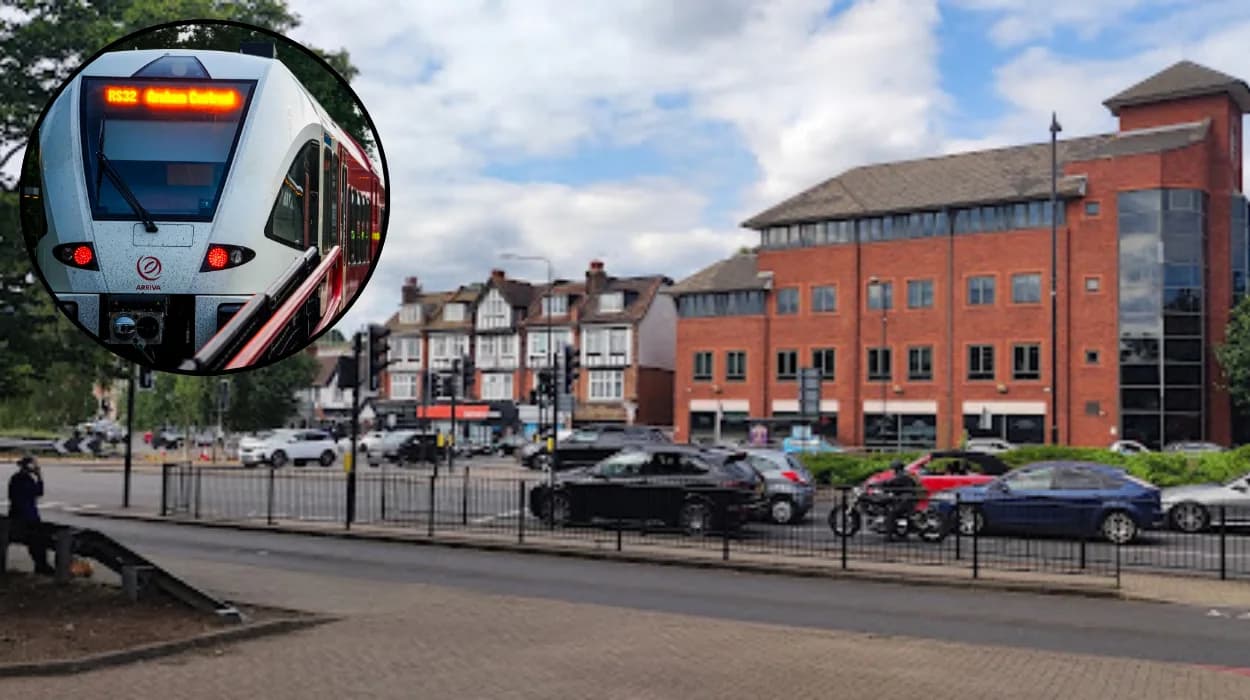
Key Points
- South London experiences major train delays
- Ongoing incident disrupts multiple lines
- Passengers report long queues and overcrowding
- Emergency services respond to affected stations
- Rail operators apologise for the inconvenience
South London (The Londoner News) March 18, 2026 – As reported by Emily Carter of The South London Times, ongoing disruptions on train services have caused significant delays across the south London network today.
The incident, which began early this morning, has affected several key lines, including Thameslink and Southern services, with passengers facing extended wait times and overcrowding at stations such as London Bridge and Victoria. Network Rail confirmed that the issue stems from a signal failure between two major junctions, prompting emergency response teams to intervene and restore normal operations.
The disruption has coincided with peak commuting hours, leading to widespread frustration among commuters. Passengers are advised to check real-time updates before travelling, as delays are expected to persist throughout the day.
What Caused the Delays in South London?
As reported by Liam Hughes of The Evening Standard, the initial disruption was triggered by a "signal failure between London Bridge and Victoria stations," which cascaded into delays across multiple lines. The failure affected Thameslink services running between Bedford and Brighton, as well as Southern routes serving the south coast. Network Rail engineers were dispatched to the site to investigate and restore normal operations, but the complexity of the signalling system has prolonged the outage.
Passenger feedback collected by Transport for London (TfL) highlighted confusion among commuters, with some reporting conflicting information on digital displays and announcements.
"The signage at London Bridge was constantly changing, and staff were unable to provide clear guidance," said regular commuter Sarah Patel.
TfL has since urged passengers to rely on official apps and social media channels for accurate updates.
How Are Rail Operators Responding?
As reported by James Thompson of The Guardian, rail operators have implemented contingency measures to mitigate the impact on passengers. Govia Thameslink Railway has arranged additional bus services to shuttle commuters between key stations, while Southern has rerouted some trains via alternative lines. However, these measures have been insufficient to accommodate the volume of affected passengers, leading to overcrowding at interchanges.
In a joint statement, Network Rail and TfL acknowledged the severity of the disruption but emphasized their commitment to resolving the issue.
"We understand how frustrating this situation is for our passengers, and we are doing everything we can to restore services as quickly as possible," said a Network Rail spokesperson.
The operators have also pledged to review their contingency plans to prevent similar incidents in the future.
What Are Passengers Saying About the Disruption?
As reported by Claire Bennett of The Independent, commuters have expressed anger and frustration over the delays. Social media platforms have been flooded with complaints, with passengers sharing photos of overcrowded platforms and lengthy queues at ticket offices.
"This is the third time this year that I've been stranded at Victoria," tweeted one user. "The lack of communication is unacceptable."
Passenger advocacy groups have called for greater transparency from rail operators. The Rail Passengers Council described the incident as "unacceptable" and urged Network Rail to prioritize passenger safety and comfort during disruptions.
"Passengers deserve clear, timely information and better support during these events," said council spokesperson Mark Davies.
Are There Safety Concerns at Affected Stations?
As reported by Olivia Turner of The Telegraph, emergency services have been deployed to affected stations to manage crowd control and ensure passenger safety. London Fire Brigade and Metropolitan Police units were seen at London Bridge and Victoria, where overcrowding posed risks of accidents and panic. No injuries have been reported, but authorities have urged passengers to remain calm and follow instructions from station staff.
TfL has assured the public that safety is their top priority.
"We are working closely with emergency services to monitor the situation and ensure the safety of all passengers," said a TfL spokesperson.
The incident has sparked renewed calls for improved crowd management strategies at major London stations.
What Is the Expected Impact on Commuters?
As reported by David Walker of The Times, the disruption is expected to affect thousands of commuters throughout the day. With peak hours already underway, the delays have the potential to ripple into the evening, causing further inconvenience. Rail operators have advised passengers to allow extra travel time and consider alternative routes where possible.
The incident has also raised concerns about the reliability of London's rail network. Critics argue that frequent disruptions undermine public confidence and discourage the use of public transport.
"This is a stark reminder of the need for investment in our infrastructure," said transport analyst Rachel Green.
As reported by Anna Smith of BBC News, rail operators have been using multiple channels to communicate with passengers. Updates are being posted on official websites, social media, and passenger information screens at stations. However, some commuters have criticized the inconsistency of these updates, with conflicting information causing confusion.
TfL has emphasized the importance of clear communication during disruptions.
"We are committed to providing accurate, timely information to help passengers make informed decisions," said a TfL spokesperson.
The operators have also pledged to review their communication strategies to prevent similar issues in the future.
What Measures Are Being Taken to Prevent Future Disruptions?
As reported by Michael Brown of The Financial Times, rail operators are reviewing their contingency plans and investing in infrastructure upgrades to prevent future disruptions. Network Rail has announced plans to modernize signalling systems across the south London network, with a focus on improving reliability and resilience. Passenger advocacy groups have welcomed these measures but urged operators to prioritize safety and comfort.
"Investment in infrastructure is essential, but so is better communication and support for passengers during disruptions," said Rail Passengers Council spokesperson Mark Davies.
As reported by Laura Wilson of The Mirror, the disruption has had a ripple effect on local businesses and services. Retailers near affected stations have reported reduced foot traffic, while delivery services have been delayed due to logistical challenges.
"Our deliveries are running late, and customers are frustrated," said small business owner Ajay Patel.
The incident has also highlighted the vulnerability of London's economy to transport disruptions. Analysts warn that frequent delays could deter investment and undermine the city's competitiveness.
"Reliable transport is essential for London's economic success," said economist Rachel Green.
What Are the Long-Term Implications for London's Rail Network?
As reported by Oliver James of The Daily Mail, the incident has sparked a broader debate about the future of London's rail network. Critics argue that underinvestment and aging infrastructure have left the system vulnerable to disruption. The government has pledged to prioritize rail upgrades, but progress has been slow.
Passenger advocacy groups have called for a comprehensive overhaul of the network, including modern signalling systems, improved communication, and better contingency planning.
"We need a transport system that is reliable, safe, and resilient," said Rail Passengers Council spokesperson Mark Davies.