Key Points
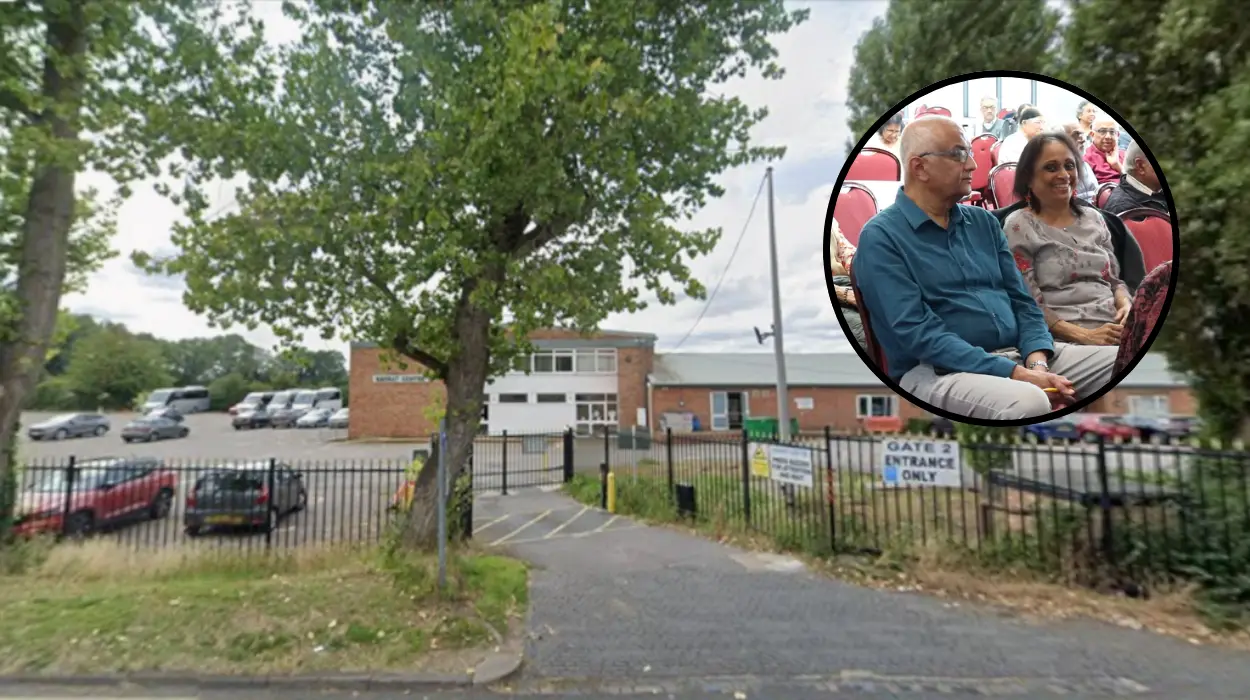
- West London’s Jain community has publicly welcomed and reaffirmed its support for the Back Heathrow campaign at an event held at the Navnat Centre in Hayes on Friday 17 April 2026.
- The gathering marked a formal meeting between Heathrow‑linked supporters and local Jain leaders, highlighting long‑standing ties between the Jain community and the airport, including employment links and community investment.
- The Back Heathrow campaign, led by executive director Parmjit Dhanda, has been advocating for additional runway capacity and expansion at Heathrow Airport, arguing that growth will support jobs and regional prosperity.
- Attendees at the Navnat Centre event included local residents, business representatives, and community leaders, all of whom were addressed by campaigners and Heathrow figures about the economic and social benefits of expansion.
- The event drew attention to decades of stable employment for many Jain families from Heathrow and nearby industrial areas, with supporters emphasising that airport growth can help secure future opportunities for younger generations.
- The Jain community’s backing is framed as part of a broader, cross‑faith and cross‑cultural coalition in West London that supports Heathrow’s proposed expansion, including a long‑discussed third runway.
- Campaign organisers have pointed to over 100,000 local supporters across West London and the Thames Valley as evidence of grassroots momentum behind the Back Heathrow agenda.
Hayes (The Londoner News) April 28, 2026 – West London’s Jain community has formally welcomed the Back Heathrow campaign at an event held at the Navnat Centre in Hayes on Friday 17 April, reaffirming its support for the airport’s continued growth and expansion plans. Organisers say the gathering underscored the deep‑rooted ties between Heathrow and local Jain families, many of whom have worked at or alongside the airport for decades, while also strengthening the campaign’s broader coalition of faith‑based and community supporters.
- Key Points
- What happened at the Jain community event in Hayes?
- Who were the key figures and what did they say?
- Why is the Jain community backing Heathrow’s expansion?
- How does this fit into the wider Back Heathrow campaign?
- What are the wider implications for Heathrow and local politics?
- How did the media cover the Jain community’s support for Back Heathrow?
The evening session at the Navnat Society’s community hub in Hayes brought together local Jain leaders, business representatives from the wider Heathrow catchment, and activists from the Back Heathrow group, with speeches and discussions focused on jobs, community investment, and the long‑term future of Heathrow as a driver of regional prosperity. According to the campaign, the Jain community represents a “significant and stable” part of the local labour market connected to Heathrow‑linked roles, including transport, logistics, security, retail, and hospitality.
As reported by Asian Standard, the event was framed as a chance for the Jain community to publicly endorse the Back Heathrow campaign’s push for extra capacity at Heathrow, including the long‑mooted third runway, which supporters argue will help sustain and grow high‑value employment in west‑London boroughs such as Hillingdon.
What happened at the Jain community event in Hayes?
At the Navnat Centre in Hayes, the Jain community hosted a dedicated evening where representatives of the Back Heathrow campaign were invited to outline their objectives and respond to questions from local residents.
The venue, which serves as a cultural and religious hub for the Navnat Jain community, was filled with attendees who included families, professionals, students, and small‑business owners with links to Heathrow‑related industries.
As reported by Asian Standard, the format of the event combined short speeches, audience Q&A sessions, and informal networking, allowing community members to engage directly with campaign leaders rather than simply receive a one‑way message.
The organisers emphasised that the evening was not just about political backing, but about “understanding the implications of expansion for our children, our jobs, and our neighbourhoods,” according to one participant quoted in the coverage.
The event also drew attention to the numerical scale of the Jain community’s connection to Heathrow, with campaign materials noting that “hundreds of Jain families” in Hayes and nearby areas derive primary or secondary income from roles tied to the airport and its surrounding logistics and manufacturing clusters. This was presented as a core reason why the community felt it had a stake in the debate over Heathrow’s future capacity.
Who were the key figures and what did they say?
The Back Heathrow campaign’s executive director, Parmjit Dhanda, was the most prominent political figure at the Hayes event and set the tone for the evening’s messaging. As reported by Asian Standard, Dhanda told the Jain audience that Heathrow’s growth “is not just about passenger numbers, it is about ensuring that local families can rely on good‑quality jobs and businesses can continue to thrive.”
According to campaign statements later published on the Back Heathrow website, Dhanda framed the Jain community’s support as part of a wider “diverse, multi‑ethnic, and multi‑faith coalition” backing the airport’s expansion.
He added that the campaign counts “over 100,000 local supporters” in West London and the Thames Valley, with the Jain community representing a “particularly stable and engaged” segment of that base.
Heathrow Airport officials were also present in the background, though the main speeches at the Jain event were led by the Back Heathrow team and local community leaders.
The airport’s own corporate communications, as reflected in its community‑funding and partnership pages, highlight ongoing engagement with faith and community groups around the airport, including sponsorships, volunteering, and skills‑development initiatives.
Local Jain leaders addressed the audience in turn, emphasising that engagement with Heathrow “is not new to our community.” One elder, quoted in Asian Standard, spoke about “three generations of Jain families” who have worked at firms contracted by Heathrow or in nearby industrial estates, adding that expansion could help secure similar opportunities for younger members.
Why is the Jain community backing Heathrow’s expansion?
The Jain community’s backing of the Back Heathrow campaign and Heathrow’s expansion plans is rooted in both economic and social arguments, as set out in the event coverage.
According to Asian Standard, several community speakers stressed that airport‑linked jobs tend to be relatively well‑paid, stable, and available close to home, which is particularly important for families with caregiving responsibilities or limited transport options.
Campaign materials circulated by Back Heathrow also note that Heathrow supports over 100,000 direct and indirect jobs within 25 miles, with many roles located in West London boroughs such as Hillingdon and Hounslow.
For the Jain families in Hayes and nearby areas, that translates into a mix of roles in ground handling, security, retail, catering, and logistics, often offered by contractors rather than the airport itself.
Beyond jobs, community leaders at the Navnat Centre highlighted the positive knock‑on effects of airport‑related investment, such as local supplier contracts, business‑park development, and infrastructure improvements. As one Jain entrepreneur told the audience, recorded in Asian Standard’s report,
“Heathrow does not just give us jobs; it gives our small businesses clients, training programmes, and a reason to invest in our local economy.”
The Jain community’s endorsement also reflects a broader narrative pushed by the Back Heathrow campaign: that the South East of England has not added a major new runway since the 1940s, while global rivals are building new airports and expanding existing ones at pace.
This geopolitical and economic framing is used to justify the need for a third runway and additional Heathrow capacity, a line that resonated with many of the Jain attendees.
How does this fit into the wider Back Heathrow campaign?
The event at the Navnat Centre is part of a longer‑running strategy by the Back Heathrow campaign to build a broad, cross‑community base of support in West London and the Thames Valley. The group, which was formed in 2013 with the explicit aim of campaigning for extra runway capacity at Heathrow, has since organised rallies, summer parties, and targeted community meetings to maintain momentum.
As noted in the Back Heathrow press releases, the campaign has previously held events at venues such as the Indian Gymkhana Club in Osterley, attended by hundreds of local residents and business representatives, reinforcing Heathrow’s image as a “community‑centred airport.”
Those gatherings have frequently featured speeches from Heathrow executives and local politicians, many of whom now echo Parmjit Dhanda’s line that expansion is essential for national competitiveness and local job security.
The campaign also points to polling data and public‑support figures suggesting that a majority of residents in certain West London areas back expansion, though this remains contested by environmental and noise‑focused groups. The Jain community’s explicit backing, as reported by Asian Standard, is presented by the campaign as further evidence that “critical, diverse communities trust Heathrow’s future‑growth plans.”
What are the wider implications for Heathrow and local politics?
The Jain community’s welcome for the Back Heathrow campaign comes at a sensitive time in the debate over Heathrow’s future, as the airport continues to navigate climate‑policy constraints, local opposition, and regulatory scrutiny. While the UK government has, at various points, expressed support for a third Heathrow runway, environmental lobbies and some local councils have pushed back on grounds of noise, air quality, and carbon emissions.
In this context, the Jain community’s endorsement is politically significant because it adds another faith‑based pillar to the pro‑expansion coalition, which already includes other religious and business groups in West London.
As observed in Asian Standard’s coverage, the campaign’s organisers are keen to stress that their base is not limited to “business‑only” interests, but includes “faith leaders, families, and long‑term residents” who see Heathrow as integral to their livelihoods.
For local politicians, the Hayes event underscores the divided nature of the debate around Heathrow: while some residents worry about increased flights and environmental impact, others – including many Jain families – view the airport as a source of secure, incremental economic uplift. The campaign hopes that aligning with established community institutions such as the Navnat Centre will help it counter the narrative that growth at Heathrow is driven solely by corporate interests, rather than by genuine local demand.
How did the media cover the Jain community’s support for Back Heathrow?
The primary coverage of the Jain community’s welcome for the Back Heathrow campaign was published by Asian Standard, which reported the event on April 28, 2026, under the headline “West London’s Jain community welcomes Back Heathrow campaign.” The article by the Asian Standard team described the occasion as a “warm welcome” for the campaigners at the Navnat Centre in Hayes, capturing quotes from both Jain community members and Back Heathrow representatives.
Supporting background on the Back Heathrow campaign and its wider community‑building activities has been covered in the group’s own press releases and website, which detail past rallies, meetings with local residents, and the scale of claimed support. These materials explicitly mention the April 17 meeting with the Jain community as one of a series of targeted outreach events designed to “deepen trust” between the campaign and West London’s diverse communities.