Key Points
- Expansion of Provision: Two primary schools in West London, Wormholt Park and Brackenbury, are set to open dedicated units for pupils with Special Educational Needs and Disabilities (SEND).
- Target Demographic: The units are specifically designed to support autistic pupils as part of a borough-wide initiative to improve inclusivity.
- Student Capacity: Each school will accommodate 20 pupils within these new provisions, totalling 40 new places for the local community.
- Timeline: The units are scheduled to open their doors in September 2026, following a final council decision made on May 6.
- Funding and Approval: Hammersmith and Fulham Council approved the necessary investment in December 2025; however, a standard four-week “call-in” period must conclude before formal implementation.
- Projected Need: Local data suggests a significant rise in demand, with the borough forecasting a requirement for 120 additional SEND places by 2030.
Hammersmith (The Londoner News) May 13, 2026 – Two primary schools in the London Borough of Hammersmith and Fulham are preparing to launch specialized units for autistic pupils this September, representing a significant step in the local authority’s strategy to enhance inclusive education. Wormholt Park Primary School and Brackenbury Primary School will each provide 20 new places for children with complex needs, following a formal cabinet decision on May 6. This move comes as the borough faces a burgeoning demand for specialist provision, with council projections indicating a need for over 100 new places across primary and secondary sectors by the end of the decade.
- Which schools in West London are opening new SEND units?
- Why is Hammersmith and Fulham Council investing in autism provision?
- What do school leaders say about the new SEND units?
- How will these units benefit the West London community?
- What is the current status of the “Call-In” period?
- How does this fit into the wider context of West London news?
- What are the long-term goals of the Special School Organisation Plan?
Which schools in West London are opening new SEND units?
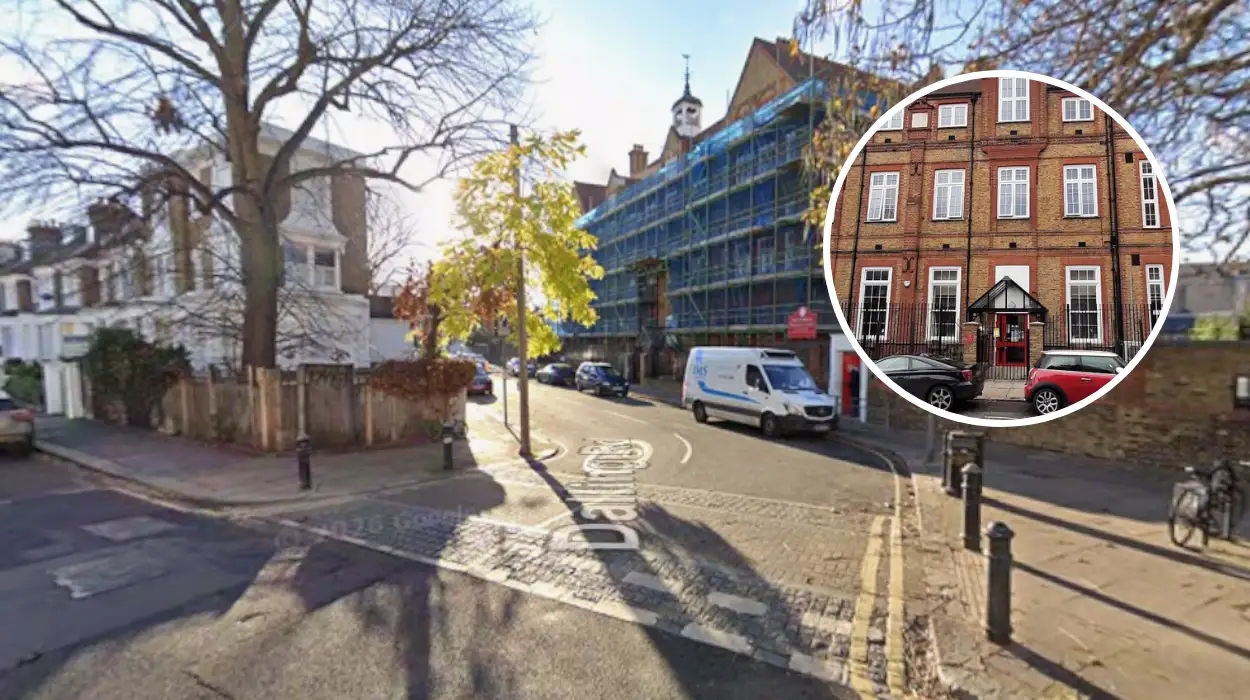
The primary focus of this educational expansion is centered on two well-established institutions: Wormholt Park Primary School in Shepherd’s Bush and Brackenbury Primary School in Hammersmith. Both schools are maintained by Hammersmith and Fulham Council and have long served diverse urban populations.
As reported by local government correspondents for LondonWorld, the council officially approved the funding for these units in December 2025.
This was followed by a comprehensive period of public consultation, ensuring that parents, educators, and local residents could voice their opinions on the structural and pedagogical changes proposed for the sites. On May 6, 2026, the local authority confirmed the final decision to proceed.
However, as noted in the official council proceedings, there remains a statutory four-week “call-in” period. During this time, the decision can be reviewed by scrutiny committees if concerns are raised by elected members. Barring any legislative hurdles, the decision will be formally implemented in June, allowing construction and staffing adjustments to be finalized before the new academic year begins in September.
Why is Hammersmith and Fulham Council investing in autism provision?
The decision to invest in these units is not merely a localized improvement but a response to a documented surge in Special Educational Needs (SEND) requirements across West London. According to the ‘Special School Organisation Plan 2025 – 2027’, the borough is navigating a complex landscape of increasing diagnoses and a lack of localized physical space.
The plan projects that by 2030, a total of 120 additional places will be required to meet the needs of the community. These places are expected to be split between primary and secondary education.
By establishing these units now, the council aims to reduce the necessity for “out-of-borough” placements, which are often costly for the taxpayer and disruptive for the children, who may have to travel long distances to receive appropriate schooling.
What do school leaders say about the new SEND units?
The leadership at the involved schools has expressed strong support for the initiative. David Collins, the Executive Head Teacher at Brackenbury Primary School, has been a vocal advocate for the integration of specialist facilities within mainstream settings.
As reported by MyLondon, David Collins stated that the school is “grateful for the council’s investment” and emphasized that the faculty is eager to create an environment “where each child can thrive.” Collins highlighted that the presence of the unit would not only benefit the 20 pupils specifically enrolled in the SEND program but would also enrich the wider school culture by fostering empathy and understanding among the entire student body.
Similarly, administrators at Wormholt Park have indicated that the new unit aligns with their mission to provide a “welcoming and inclusive” atmosphere.
The capital investment provided by the council will go toward bespoke classroom designs, sensory rooms, and specialized training for teaching assistants and lead practitioners.
Explore More West London News
Abdullah Denies Seafront Rape – West London, 2026
Southern Train Delays: East Croydon to Watford Junction Door Fault; East Croydon 2026
How will these units benefit the West London community?
The move is being framed by local politicians as part of a broader vision to make Hammersmith and Fulham a “borough for all.” By embedding specialist autism units within mainstream primary schools, the council is promoting a model of “supported integration.”
Key benefits identified by educational experts include:
- Reduced Travel Times: Local children can attend schools within their own neighborhoods rather than being bussed to specialized centers across London.
- Social Cohesion: Pupils with autism have the opportunity to interact with their neurotypical peers in a controlled, supportive environment during assemblies, lunchtimes, and play.
- Expertise Sharing: The presence of specialist SEND teachers within a mainstream school allows for a “trickle-down” of expertise, benefiting pupils across the entire school who may have milder learning challenges.
What is the current status of the “Call-In” period?
As of mid-May 2026, the project is in a brief period of administrative limbo. In British local government, a “call-in” is a mechanism that allows non-executive councillors to examine a decision made by the Cabinet or a Cabinet Member before it is implemented.
If no objections are lodged within the four-week window following the May 6 decision, the funding—which was earmarked in the previous winter budget—will be released immediately.
This timeline is critical, as contractors will need the summer months to ensure that the physical infrastructure of the schools is ready to receive the first intake of students in the first week of September.
How does this fit into the wider context of West London news?
The news of these educational advancements comes at a time when West London has been dominated by headlines regarding public safety and judicial proceedings.
For instance, the community is still reeling from unrelated violent incidents, such as the tragic case where a man killed his cousin at a wake, and a separate “frenzied” machete attack at a West London station platform.
In this context, the council’s focus on long-term social infrastructure and “inclusive” planning is seen by many as an attempt to stabilize the community and invest in the future of its youngest residents. By prioritizing education and the needs of the most vulnerable pupils, Hammersmith and Fulham are attempting to shift the narrative toward social progress and local support systems.
What are the long-term goals of the Special School Organisation Plan?
The ‘Special School Organisation Plan 2025 – 2027’ serves as the roadmap for this development. It acknowledges that the 40 places provided by Brackenbury and Wormholt Park are only the “first wave” of a larger strategy.
As noted by council officials during the December funding meeting, the 120-place deficit projected for 2030 remains a significant challenge. Future phases of the plan are expected to include:
- Secondary Sector Expansion: Identifying sites for SEND units in local high schools to ensure a “continuum of care” as primary pupils graduate.
- Specialist Training Hubs: Developing certain schools into centers of excellence that can provide outreach support to other schools in the borough.
- Enhanced Early Intervention: Using these new units as hubs for early diagnosis and support for families before children reach school age.
The opening of these units at Wormholt Park and Brackenbury represents a major victory for local parents who have long campaigned for better SEND provision. While the administrative “call-in” period remains a final hurdle, the political and educational momentum behind the project suggests that come September, 40 young people in Hammersmith and Fulham will have access to the specialized, compassionate education they require.
As David Collins of Brackenbury reiterated, the goal is a thrive-based model of education—one that recognizes the unique potential of autistic pupils and provides the physical and emotional architecture to support it. For the residents of West London, this is a rare piece of unequivocally positive news in a challenging social landscape.